

Photography by Lebond and William Mulvihill.
The importance of sketching in architecture lies in a simple truth: the sketch is not a picture of an idea, it is the tool the architect thinks with. Long before a building exists in software or in stone, it takes shape as a few quick lines on paper, and those lines do more than record a thought, they help produce it.
Sketching is important because it is the fastest, most direct link between the mind and the page, allowing an architect to test an idea in seconds and change it just as quickly. A drawing made by hand keeps pace with thinking in a way that measured, precise tools cannot. It stays deliberately loose, which lets ambiguity survive long enough for a better idea to appear. In that sense the sketch is less a stage of design than the place where design actually happens.
Architects have always described drawing as thinking rather than illustration. The Finnish architect Juhani Pallasmaa gave the idea its clearest name in his book The Thinking Hand, arguing that the hand is not a passive instrument of the brain but an active partner in how we understand and shape the world. A line drawn by hand carries hesitation, pressure and speed, and those qualities feed back into the mind, suggesting the next move. A handful of things the freehand sketch does especially well:
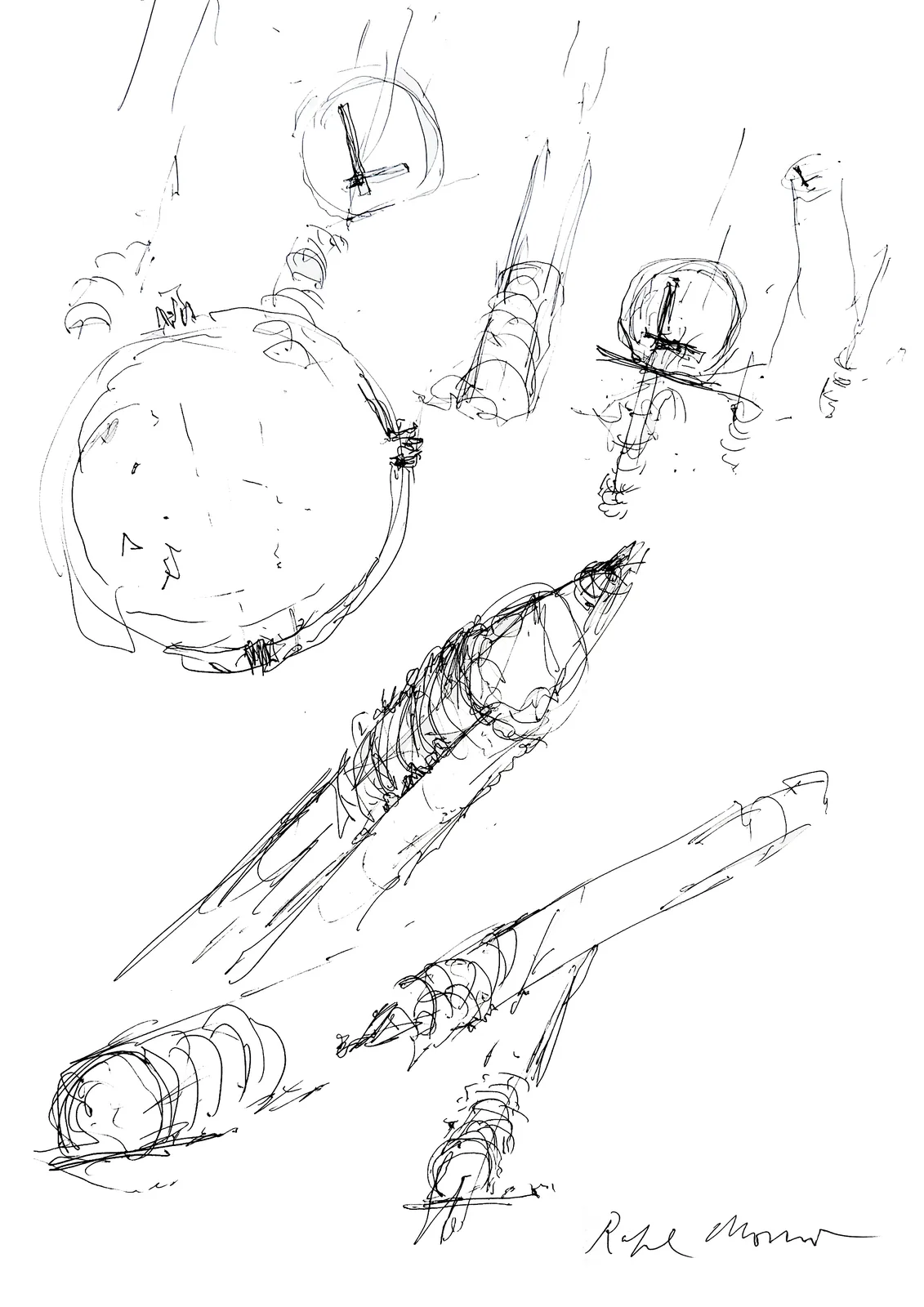
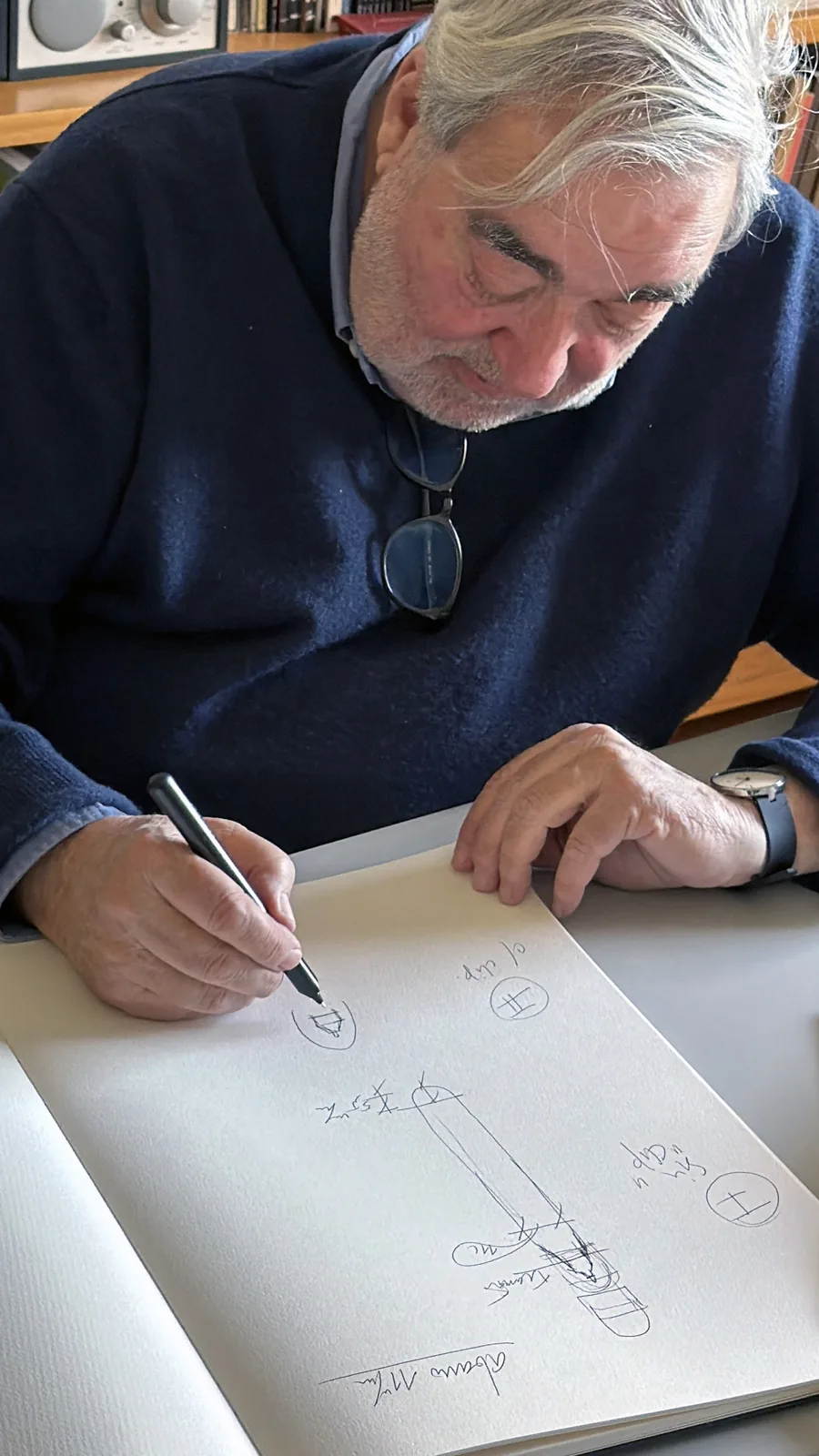
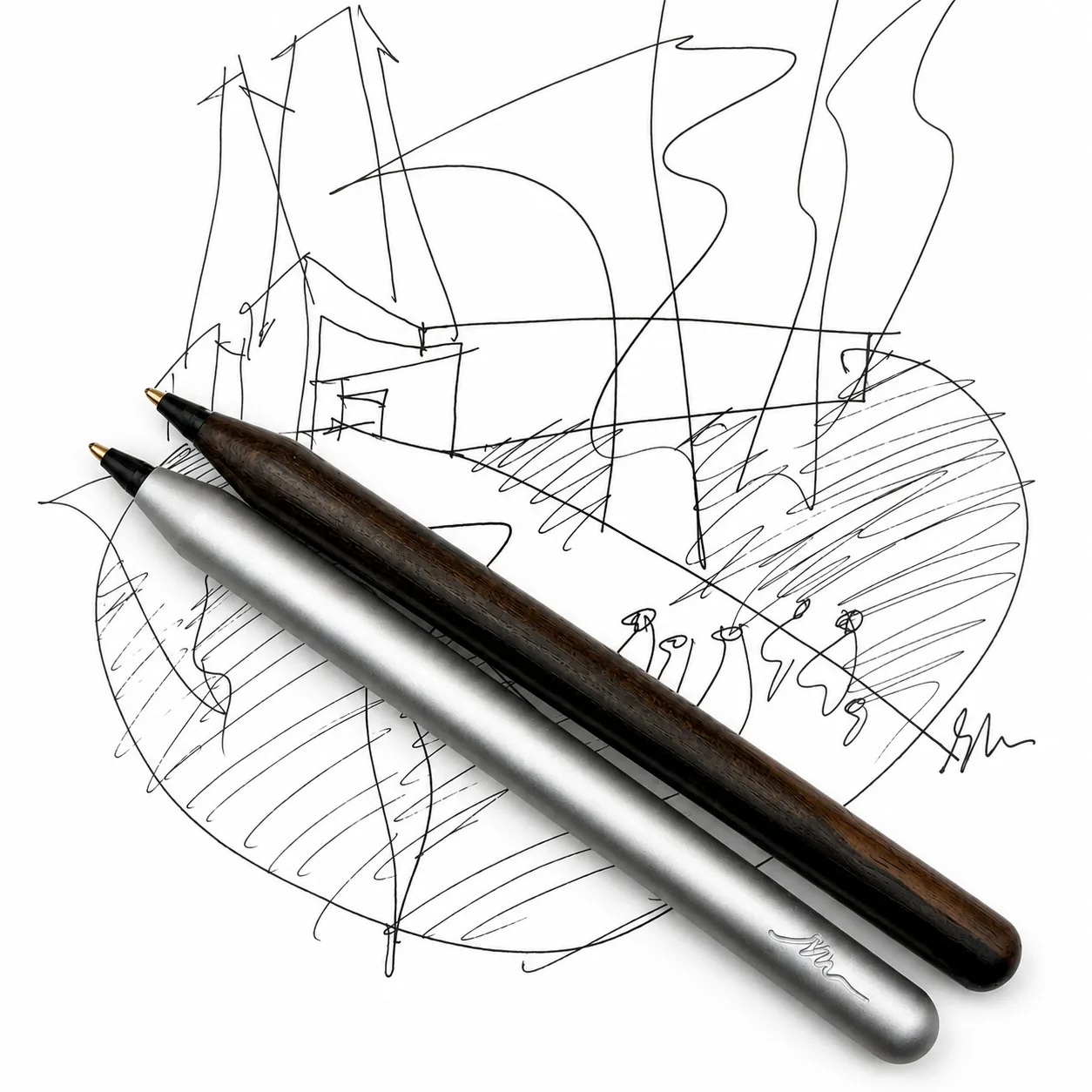
The most striking proof is how little the first sketch often changes. Álvaro Siza is famous for the dense sketchbooks in which his buildings first appear, and the resemblance between an early scribble and the finished work can be uncanny. The same is true across generations, from Alvar Aalto and Oscar Niemeyer to Frank Gehry, whose restless, looping lines are recognisably the seed of his buildings. The sketch is not a rough draft to be discarded; it is the DNA of the design.
A good sketch is not a smaller drawing of the building. It is the building, still thinking.
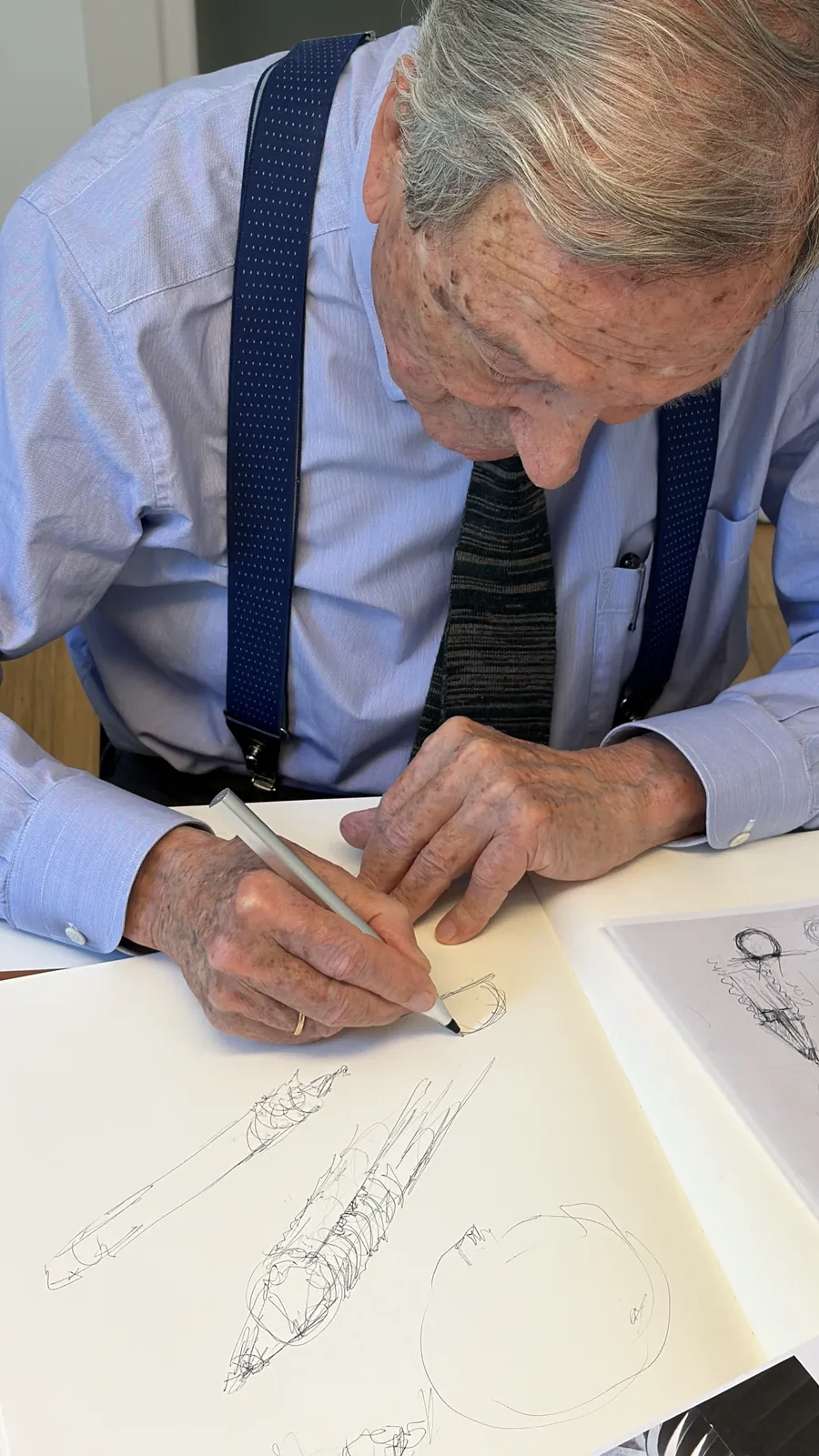
If the sketch is this important, the tool that makes it is not a trivial choice. That is the thinking behind the Lebond pens, writing instruments designed by architects for the two gestures at the centre of their day, writing and drawing. The Lebond Moneo Pen and its companions are made to disappear into the hand and let the line do the talking. Meet the designers behind them among the brand’s architects.
Sketching is important because it is the most direct link between an architect’s mind and the page, fast enough to keep pace with thinking. It is where ideas are tested and generated, not just recorded, which is why many architects call drawing a form of thought.
Yes. Even with advanced software, most architects still begin by hand, because a freehand sketch captures an idea at the speed of thought and keeps it loose enough to develop. Digital tools tend to take over later, for precision and production.
A sketch is fast, freehand and deliberately loose, used to think and explore. A technical drawing is precise and measured, used to communicate and build. The sketch comes first and shapes everything that follows.
Álvaro Siza, Alvar Aalto, Oscar Niemeyer and Frank Gehry are all celebrated for freehand sketches in which their buildings first appear, often with a striking resemblance to the finished work.