

COMPLIMENTARY WORLDWIDE SHIPPING
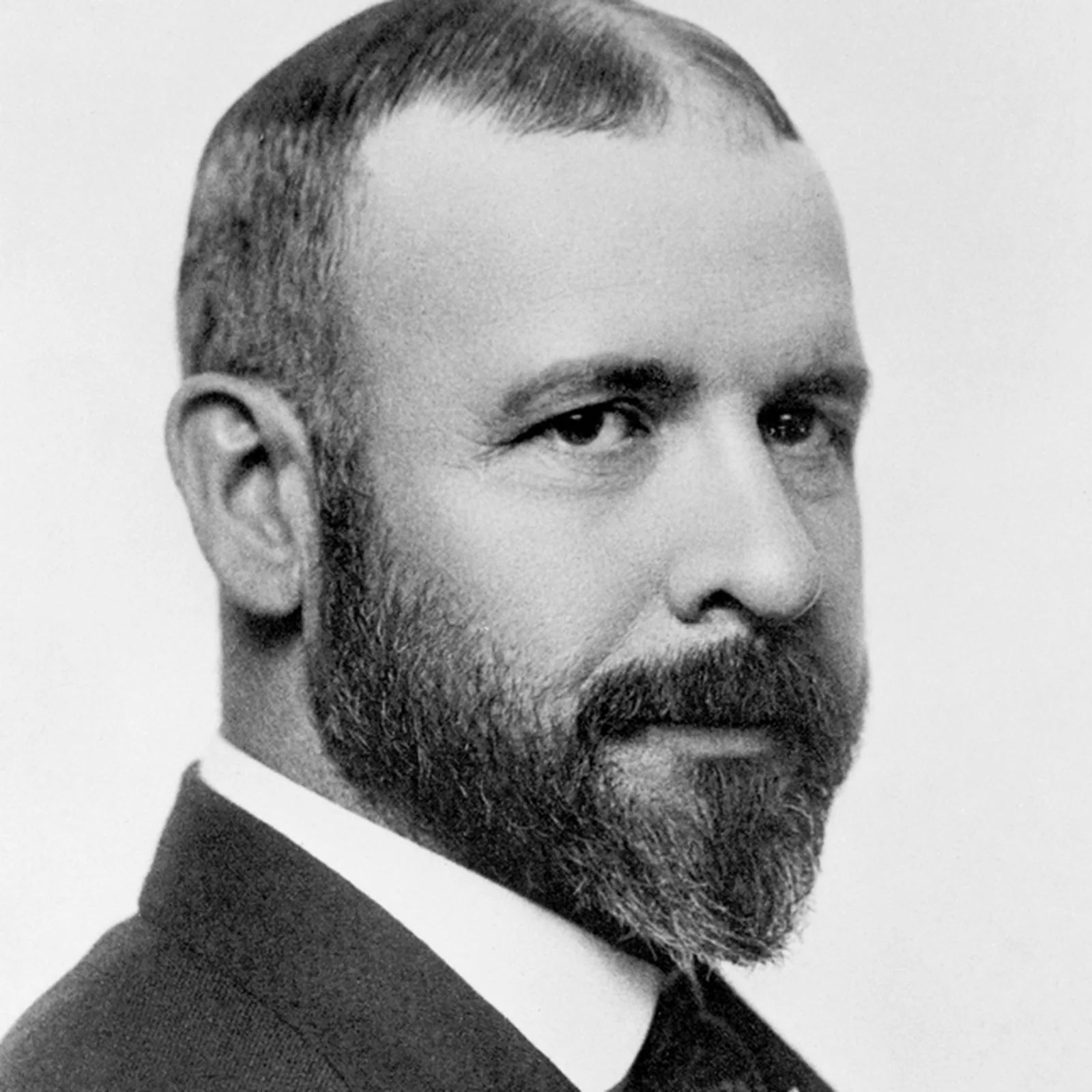
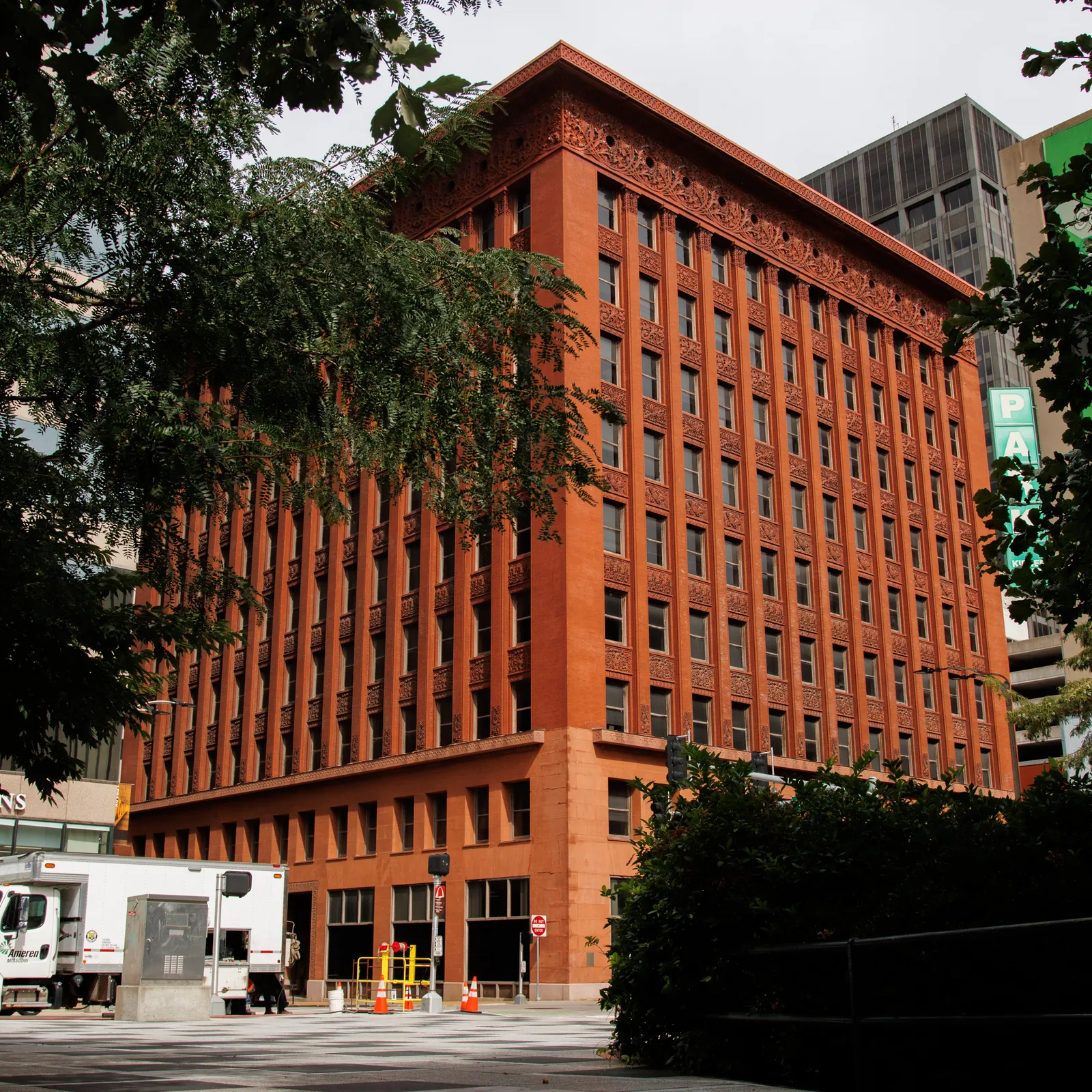
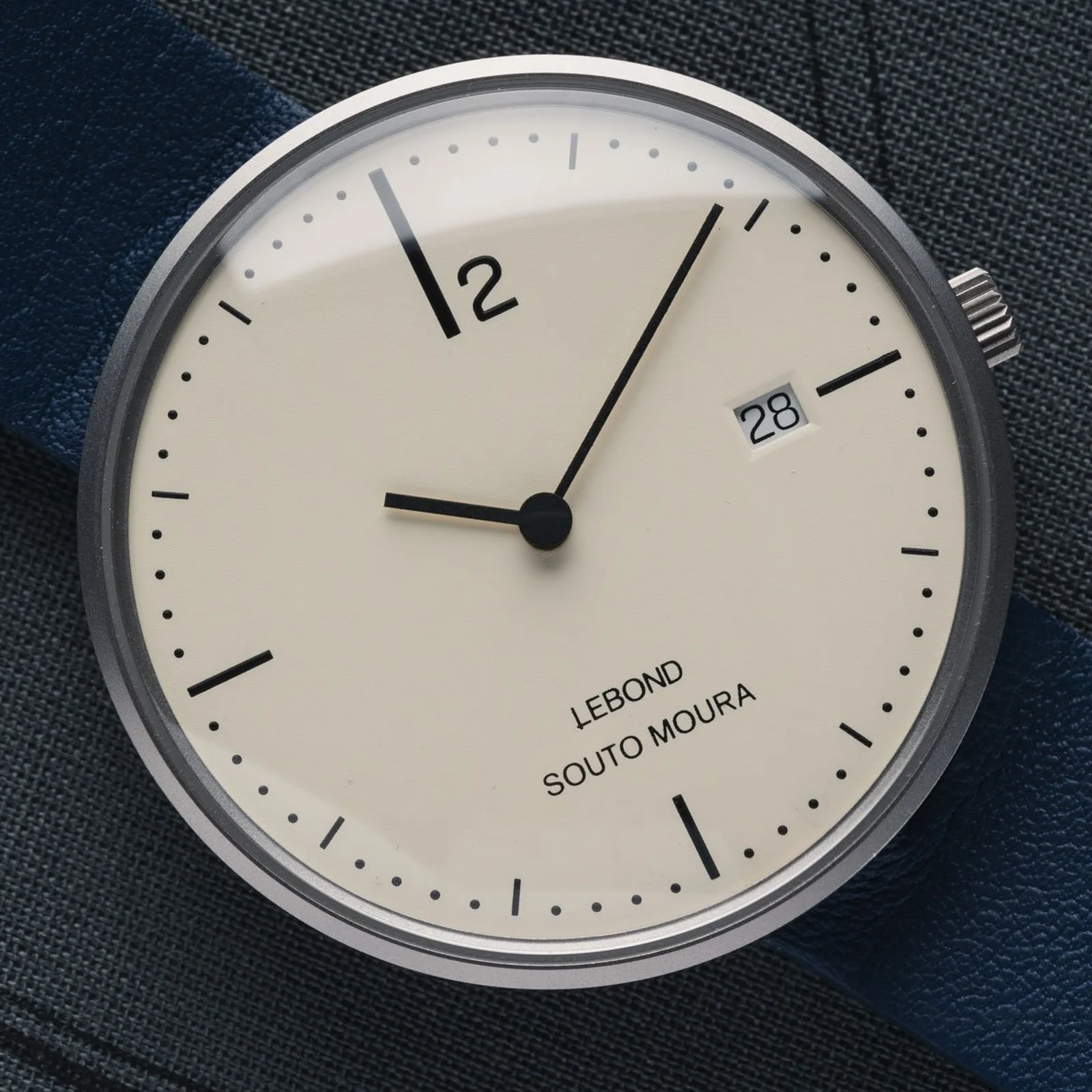
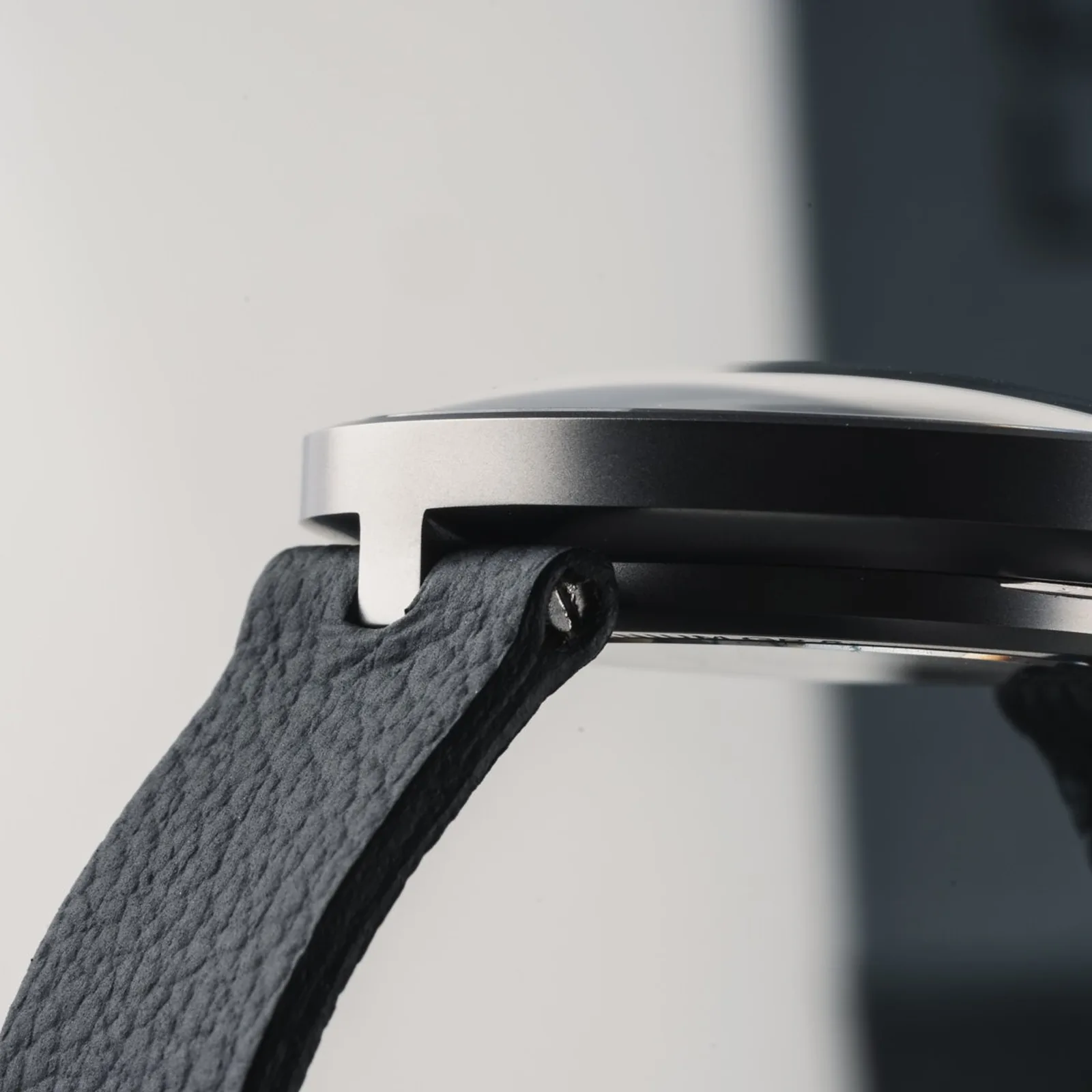

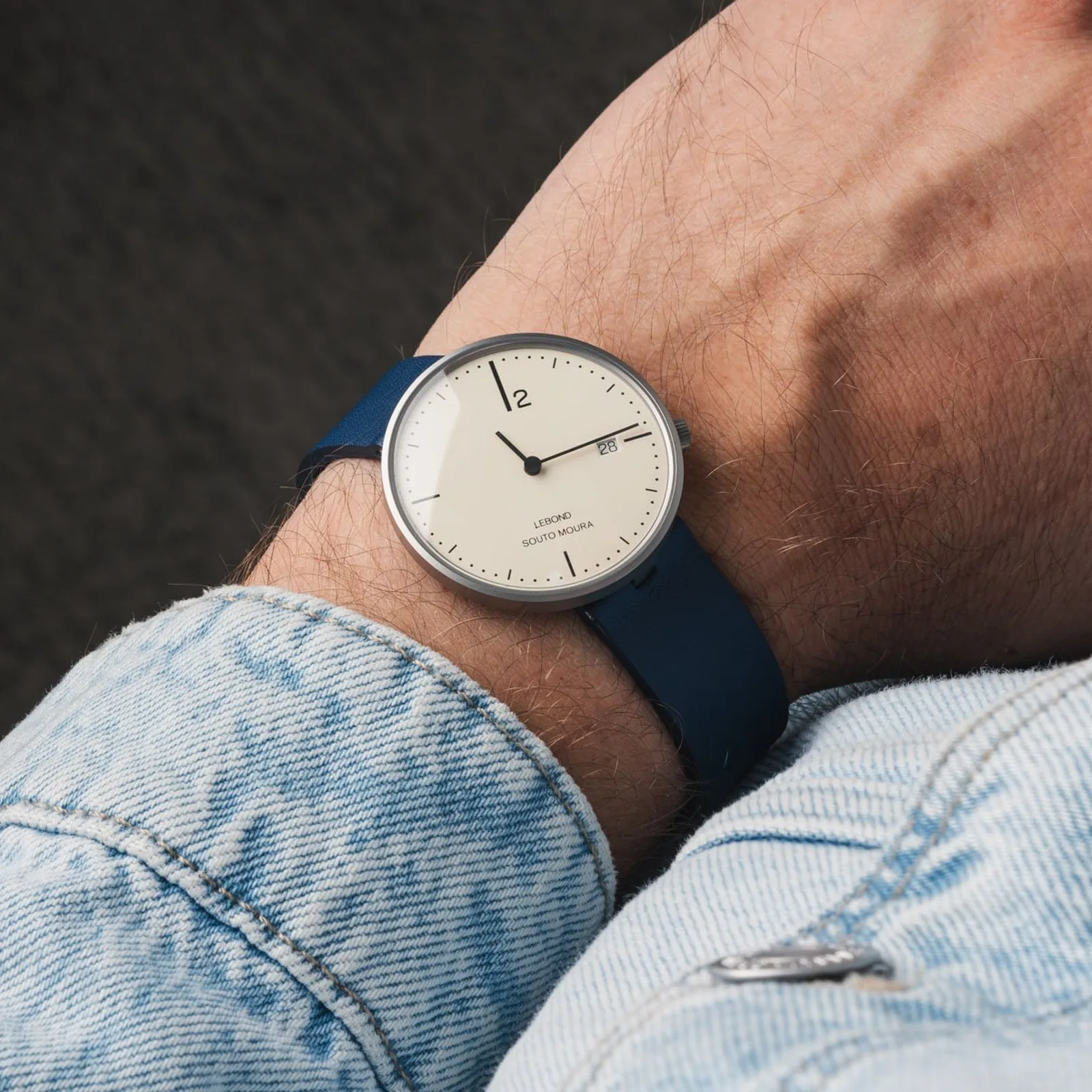
Lebond Souto Moura photography by Lebond. Archival images of Louis Sullivan and the Wainwright Building.
Form follows function in watch design is the idea that a watch should be shaped by what it has to do, telling the time clearly, before it is shaped by anything else. Borrowed from architecture, the principle explains why the most enduring watches look calm rather than busy, and why a well-drawn dial can feel as resolved as a well-planned building.
In watch design, form follows function means that every visible element should serve legibility and use before decoration. The phrase comes from the American architect Louis Sullivan, who wrote in 1896 that “form ever follows function”, a line his pupil Frank Lloyd Wright and later the Bauhaus turned into a creed. Applied to a watch, it asks a simple question of each detail: does this help someone read the time, or is it merely there to impress? Where the answer is the latter, the honest designer removes it.
“Form ever follows function,” wrote Louis Sullivan in 1896, and design has argued with him ever since.
The path from Sullivan’s skyscrapers to the modern dial runs through the Bauhaus and postwar functionalism. Designers schooled in that tradition treated the watch face as a diagram to be read at a glance, governed by a few working rules:
Dieter Rams, whose work for Braun distilled this thinking into the phrase “less but better”, showed how far it could go: an object so reduced that its purpose is self-evident. Watches built on the same logic tend to share a quiet family resemblance.
The clearest examples of form following function are the dials descended from Bauhaus design. The Max Bill by Junghans (automatic), drawn by the Swiss artist and Ulm School director Max Bill in 1961, reduces the face to fine printed numerals and hairline hands. The NOMOS Tangente (hand wound), from the German town of Glashütte, does much the same with a Bauhaus grid and a lean typeface. The Braun BN0278 (automatic) extends the same lineage from Dieter Rams into the present, its face pared to the clean essentials Rams championed at Braun. Neither watch announces itself; each simply works, and looks the way it does because of how it works. Legibility is the design, and the design is the legibility.
Form follows function is a discipline, not a cage, and the best watch design knows where it ends. Sullivan’s own buildings were richly ornamented, and he never meant that beauty should be banished, only that it should grow out of purpose rather than be applied on top of it. A watch made purely by the rule, with no warmth or character, can be as forgettable as one buried in decoration. The interesting work happens at the edge, where a designer satisfies function completely and then makes a small, deliberate choice about material, proportion or finish that gives the object a voice. The dial still tells the time at a glance; the difference is felt rather than read. Function earns the right to be beautiful, and taste decides how.
Lebond treats form follows function as the meeting point of architecture and horology. The watches are conceived with architects, so the discipline that shapes a good building, structure first, ornament last, also shapes the dial. The Lebond Souto Moura, designed with the Portuguese architect Eduardo Souto de Moura, reduces its titanium face to what the eye needs and no more. The lineage is fitting: when Souto de Moura received the Pritzker Prize in 2011, he was widely hailed as a successor to Mies van der Rohe, the master of “less is more” whose rigour this watch quietly obeys. That is the same conviction the studio’s architects bring to concrete and stone, carried across the whole collection of Lebond watches. Nothing on the dial is there to be admired for its own sake, and that is precisely what makes it worth admiring. Function sets the form; taste keeps it quiet.
The American architect Louis Sullivan coined the idea in an 1896 essay, writing that “form ever follows function”. Often called the father of the skyscraper, Sullivan mentored Frank Lloyd Wright, and the Bauhaus later adopted the phrase as a design principle.
In watches, form follows function means the design serves legibility and use first. Dial hierarchy, contrast between hands and markers, balanced proportion and the removal of unnecessary detail all flow from putting function before decoration.
Yes, when the minimalism is functional rather than merely stylish. Bauhaus-influenced watches such as the Max Bill by Junghans (automatic) or the NOMOS Tangente (hand wound) look spare because every element is working, which is form following function in practice.
Yes. Lebond watches are designed with architects, applying a structure-first, ornament-last discipline to the dial and choosing titanium for its material honesty rather than for show.