

COMPLIMENTARY WORLDWIDE SHIPPING
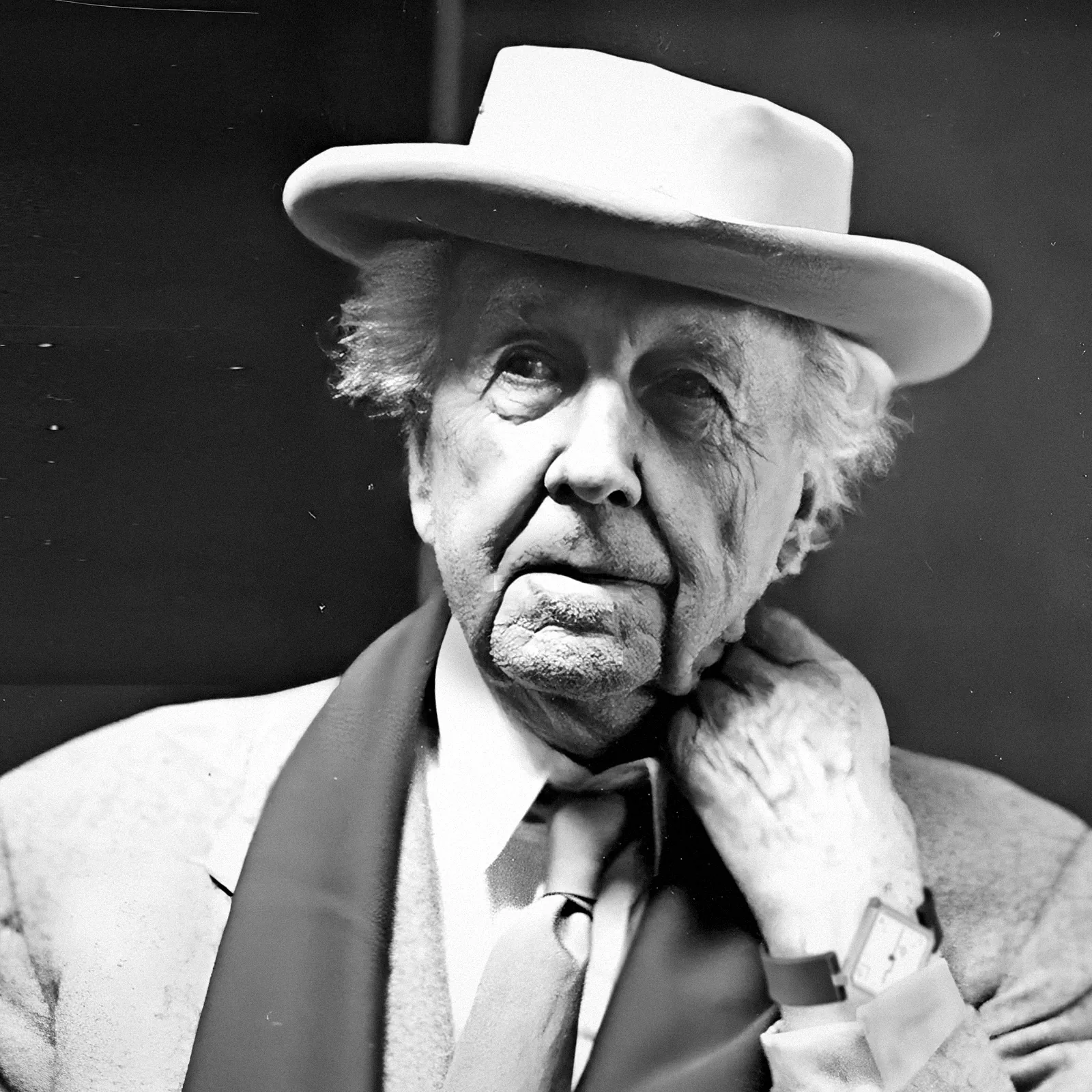

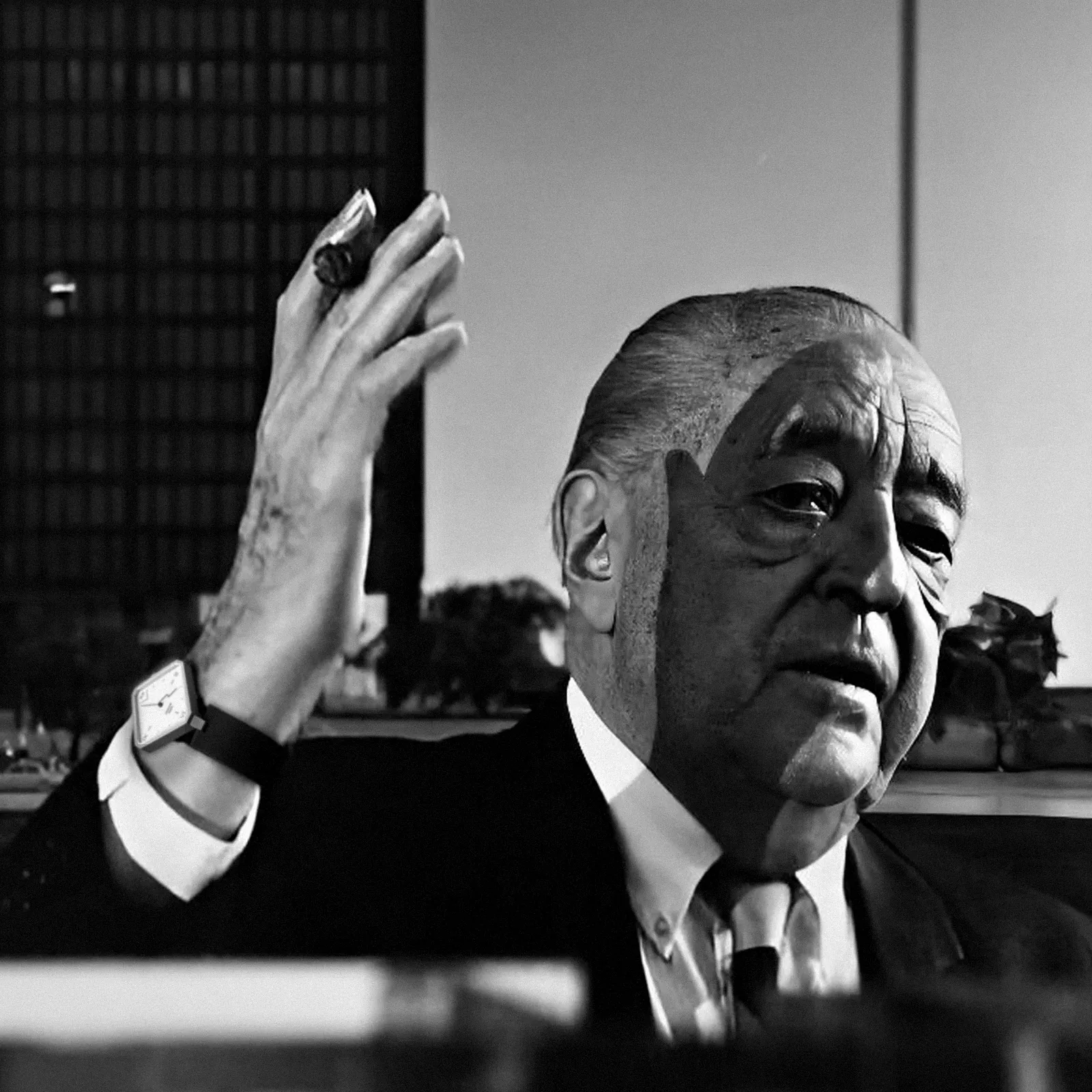
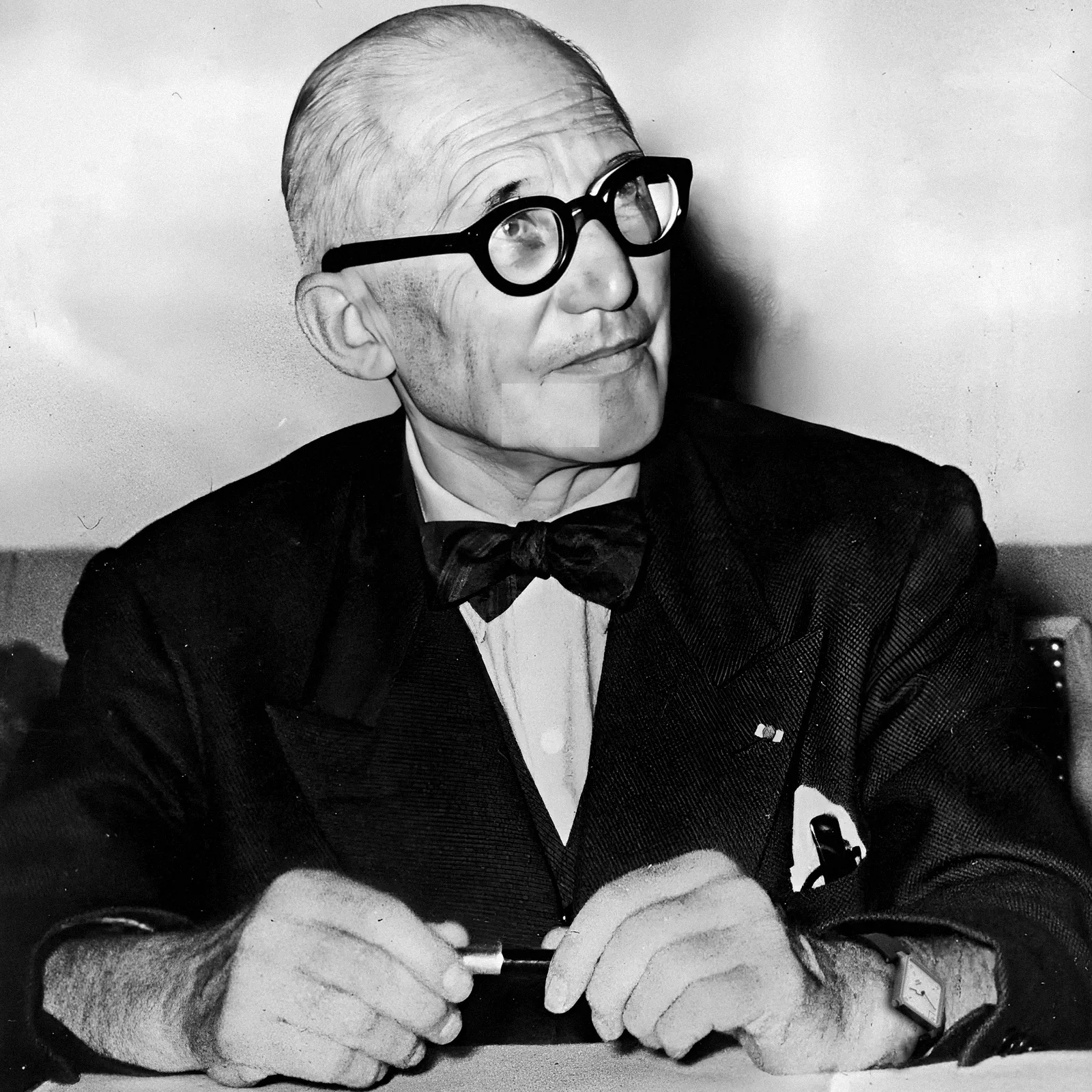
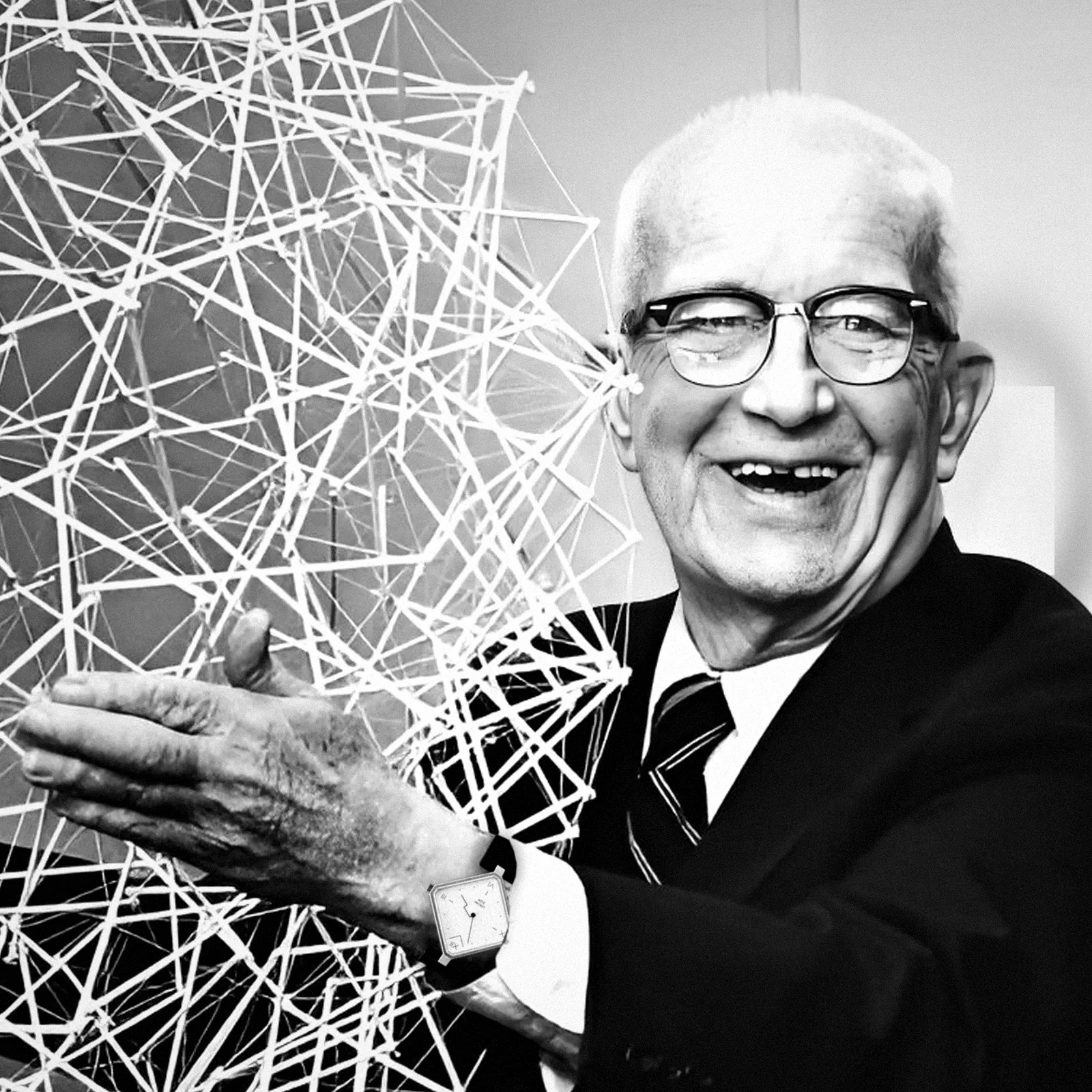
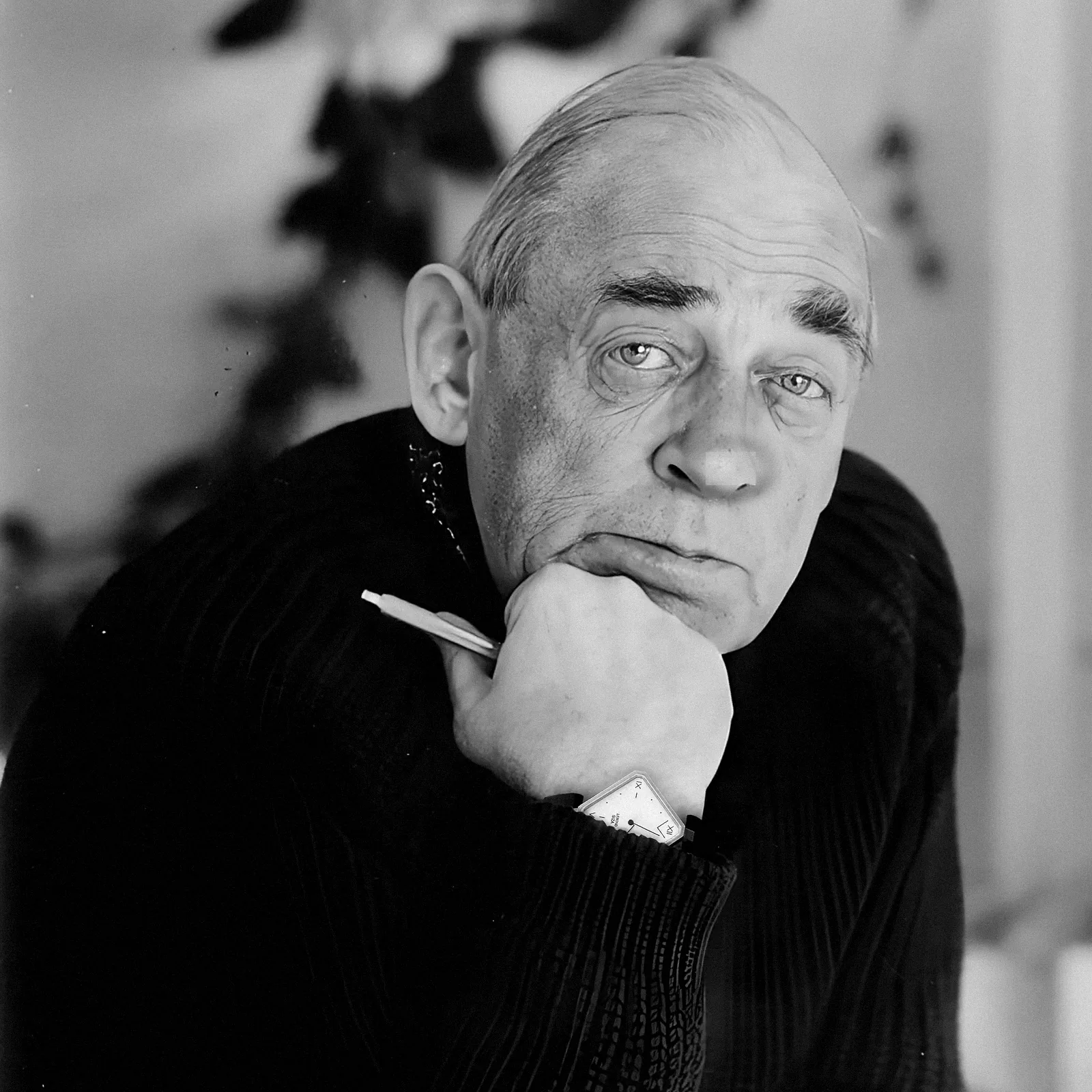
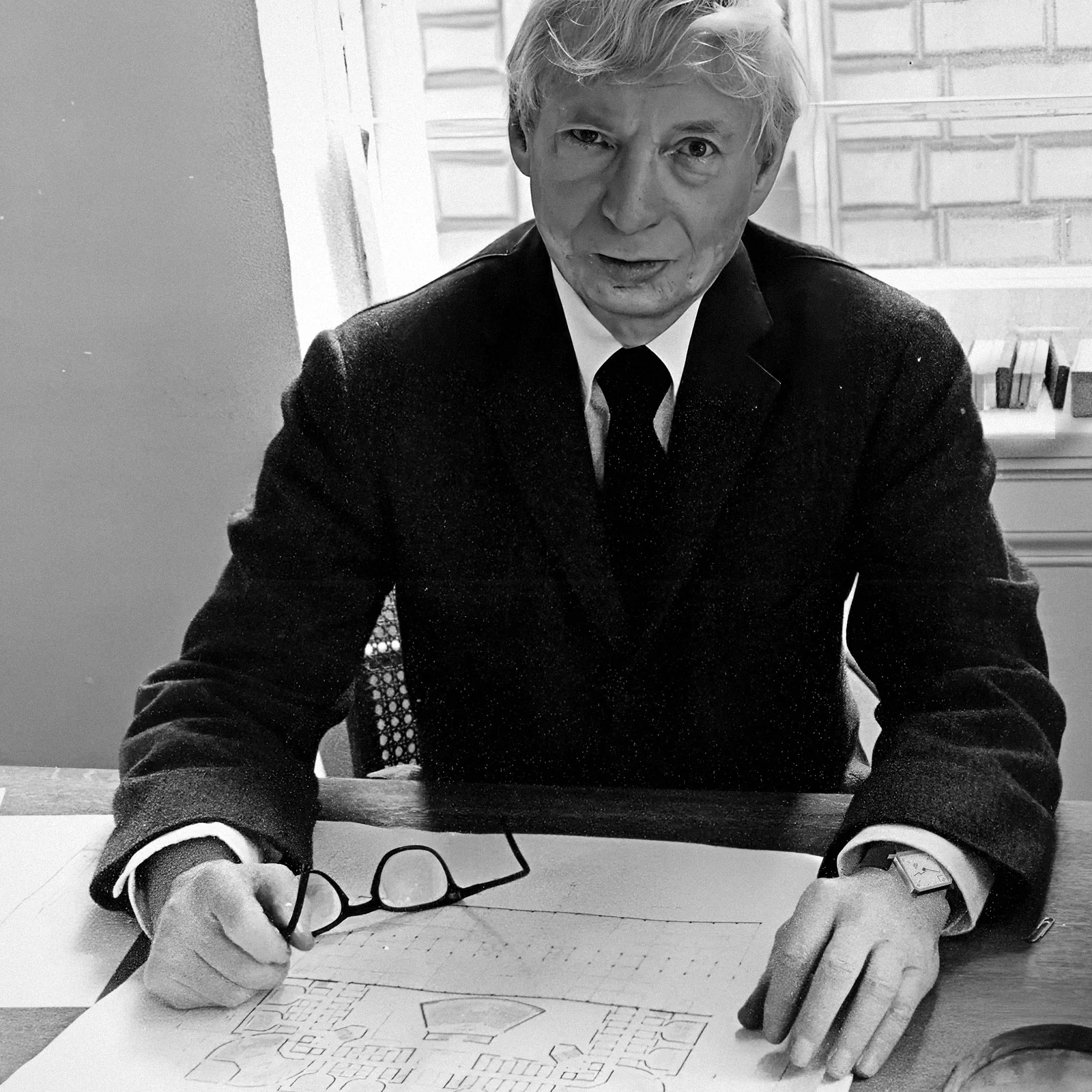
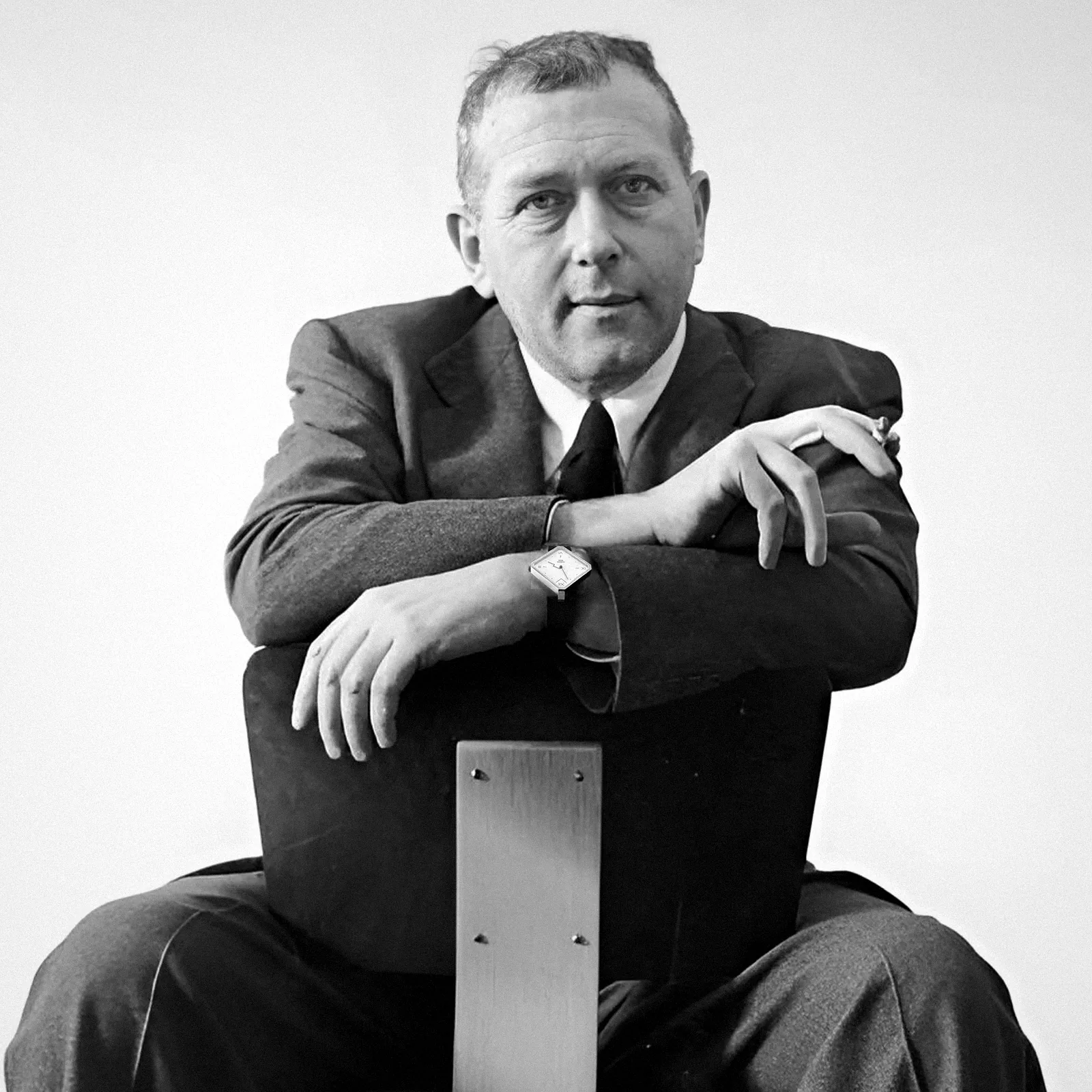
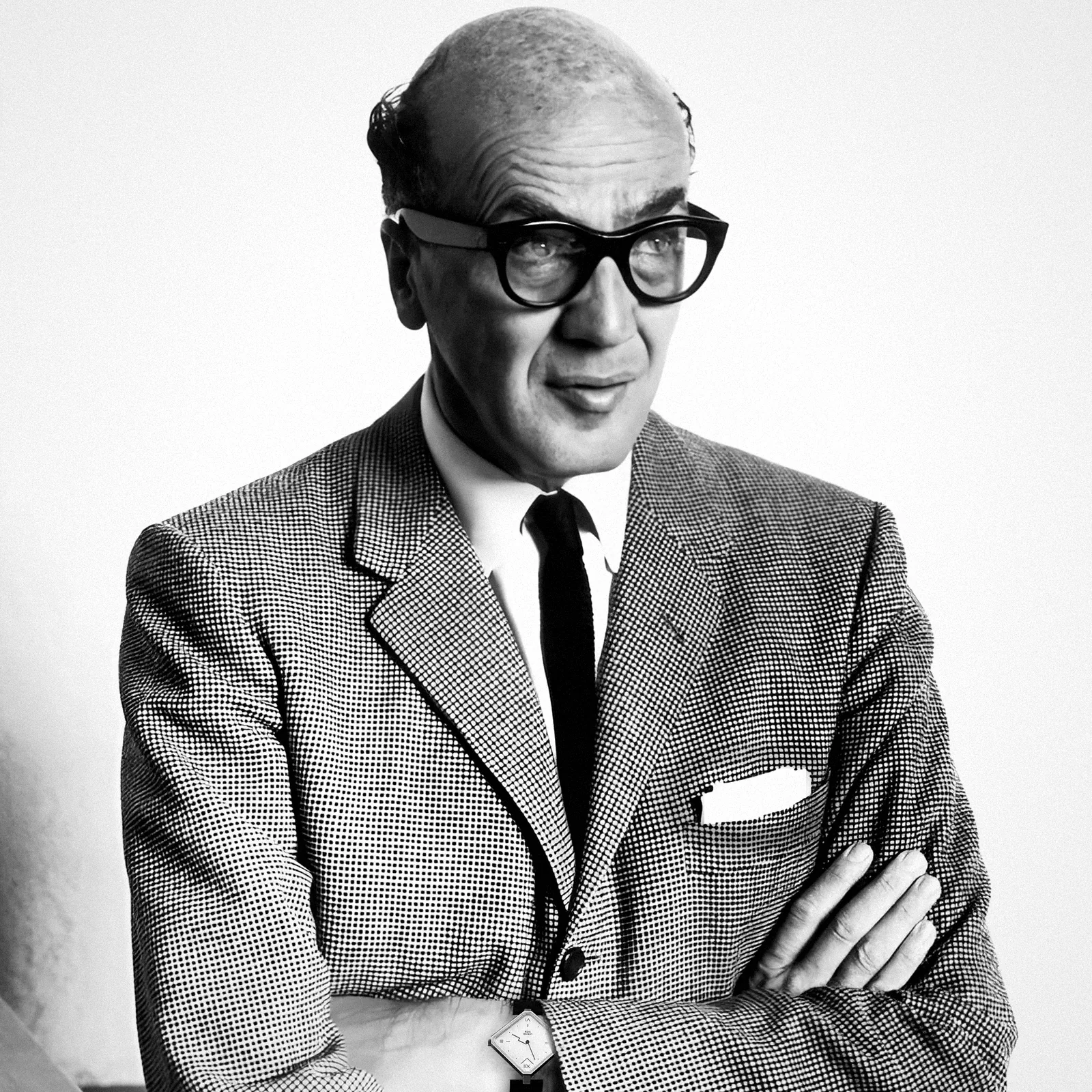
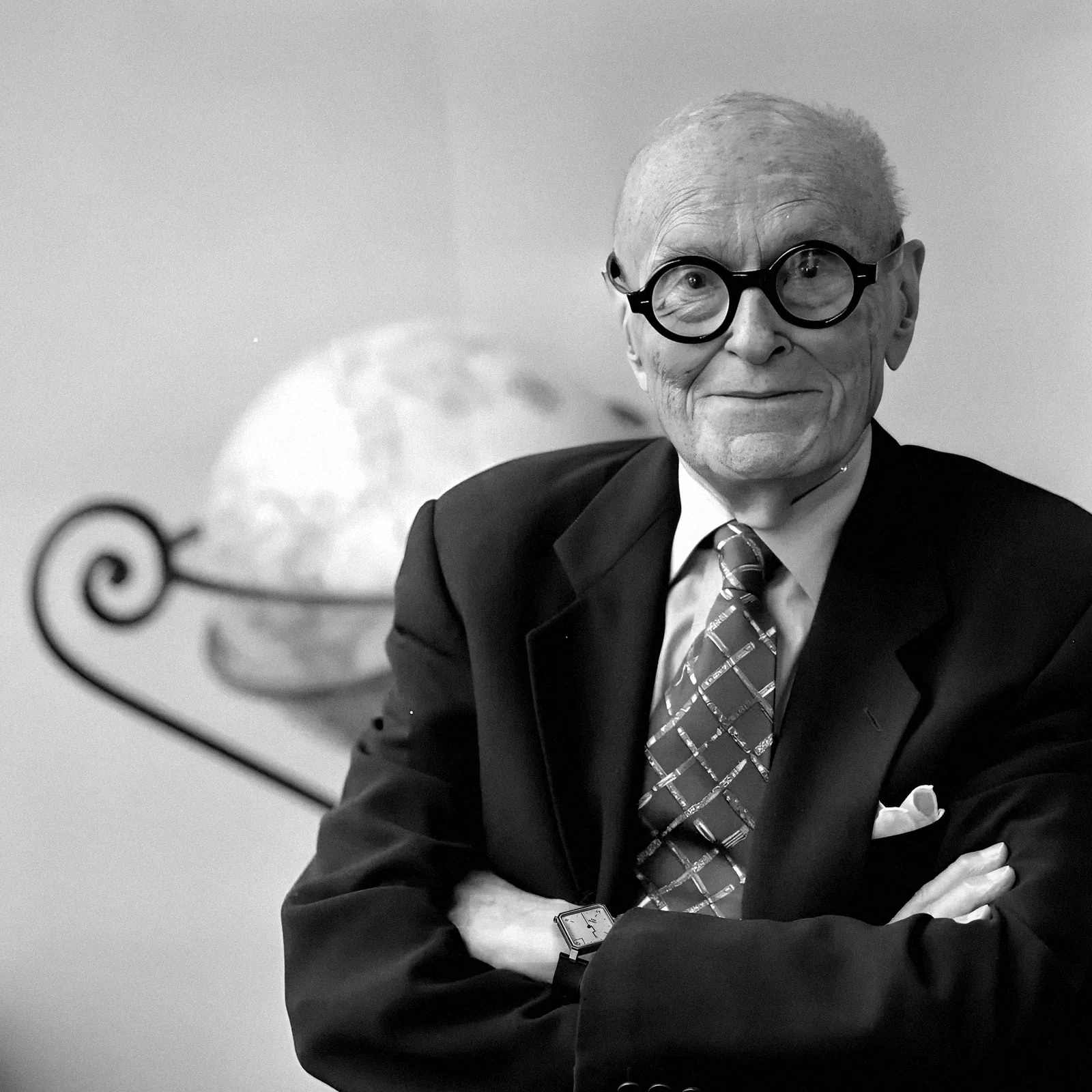
Portrait montages by Lebond.
The 20th century architects gathered here did not simply design buildings; they rewrote what a building could be. Across roughly a hundred years they replaced ornament with structure, weight with light, and inherited style with first principles. The ten portraits above are a tribute, a montage that imagines each master wearing the Lebond Siza, the watch an architect might have chosen: quiet, exact and built to last.
What links these 20th century architects is a shared belief that form should follow idea, not fashion. Most passed through or against the same currents, the Bauhaus, the International Style, organic and regional modernism, and each arrived at a language stripped to essentials. They worked in concrete, steel, glass and, in a few cases, colour and light, but the instinct was the same: remove everything that does not serve the whole. The ten below appear in order of birth, a century of ideas read as a single line.
Frank Lloyd Wright was the American pioneer of organic architecture, buildings in dialogue with their landscape. Over a seventy-year career he built Fallingwater (1935), cantilevered over a Pennsylvania waterfall, and the spiralling Guggenheim Museum in New York, completed the year he died. His Prairie houses, with their low horizontals and open plans, taught the modern world to think of a house as flowing space rather than a box of rooms.
Walter Gropius founded the Bauhaus, the school that fused art, craft and industry. Opening it in Weimar in 1919, he set out a method that shaped design for the rest of the century, teaching that good form could be made for everyone. His own Fagus Factory and the Bauhaus building in Dessau put glass curtain walls into the vocabulary of modern architecture, and after emigrating he carried the school’s ideas into American practice and teaching.
Mies van der Rohe reduced architecture to steel, glass and proportion, and gave it the motto “less is more”. The last director of the Bauhaus, he built the Barcelona Pavilion (1929) and, in New York, the Seagram Building (1958), the template for the modern tower. His “skin and bones” method, an honest structure wrapped in a taut glass skin, remains the clearest statement of modern restraint.
Le Corbusier was the Swiss-French theorist who defined the machine-age house and the modern city. His Five Points of Architecture and the Villa Savoye (1931) freed the plan from load-bearing walls, while the Unité d’Habitation reinvented mass housing as a vertical village. Restless and contradictory, he also gave late modernism its most poetic building, the chapel at Ronchamp, proving the movement could feel as well as reason.
Buckminster Fuller was the American inventor who treated architecture as a problem of doing more with less. He popularised the geodesic dome, a sphere of triangles that enclosed the most space for the least material, and coined the idea of “Spaceship Earth”. More engineer and visionary than stylist, he pushed every other architect of his century to ask how lightly a structure could touch the world.
Alvar Aalto gave modernism a human warmth, softening its hard lines with wood, curve and light. The Finnish master designed the Paimio Sanatorium (1933) around the comfort of its patients, and his bent-plywood furniture and the Savoy Vase brought the same organic ease indoors. Where others pursued the universal, Aalto insisted on the particular: local materials, northern light and the feel of a building in the hand.
Louis Kahn returned monumental weight and silence to modern architecture. Working in brick and concrete, he built the Salk Institute (1965), the Kimbell Art Museum and the National Assembly in Dhaka, each shaped by natural light and a sense of the timeless. His question to his students, what a material “wants to be”, captured a whole philosophy: let structure and stone speak for themselves.
Marcel Breuer carried the Bauhaus from the chair to the skyline. As a young master he designed the tubular-steel Wassily Chair (1925), one of the century’s defining objects, then built at architectural scale, from concrete houses to the fortress-like Whitney Museum in New York. His career is a straight line from furniture to building, proof that modern design was one continuous discipline.
Luis Barragán proved that minimalism could be emotional, even spiritual. The Mexican architect worked with colour, water and light, setting planes of pink, ochre and violet against still pools and blank walls. His own house in Mexico City is a UNESCO World Heritage Site, and in 1980 he became only the second architect to win the Pritzker Prize, honoured for an architecture of serenity and silence.
Philip Johnson shaped modern taste as both architect and tastemaker. His Glass House (1949) in Connecticut is a pure modern pavilion, yet he later helped launch postmodernism with the AT&T Building’s playful crown. The first winner of the Pritzker Prize, in 1979, he spent a long career at the centre of American architecture, always ready to question the very orthodoxy he had helped to build.
The values these 20th century architects share are the values Lebond puts on the wrist. Honesty of material, clarity of structure, ornament earned rather than applied: the same principles that shaped Fallingwater or the Seagram Building shape a considered watch. It is why Lebond works with architects rather than stylists, and why the Lebond Siza, designed with the Pritzker laureate Álvaro Siza, reads like a small piece of modern architecture in titanium. To trace the lineage, meet the architects behind Lebond and see the idea expressed across the full collection of Lebond watches.
The most important 20th century architects include Frank Lloyd Wright, Walter Gropius, Mies van der Rohe, Le Corbusier, Buckminster Fuller, Alvar Aalto, Louis Kahn, Marcel Breuer, Luis Barragán and Philip Johnson. Together they defined modern architecture, from organic design to the International Style.
The 20th century was shaped by the Bauhaus, the International Style, organic architecture and regional or critical modernism. These movements shared a belief in honest materials and reduced form, and most of the century’s master architects worked within or against them.
The Pritzker Prize began in 1979, near the end of these architects’ careers. Philip Johnson was its first laureate in 1979, and Luis Barragán won in 1980. Others on this list did their defining work before the prize existed.
The Lebond Siza is a Swiss titanium watch designed with the Portuguese architect and Pritzker laureate Álvaro Siza. Its reductive, legible design reflects the same modern principles that guided the great 20th century architects.