

COMPLIMENTARY WORLDWIDE SHIPPING
Photography by Fernando Guerra
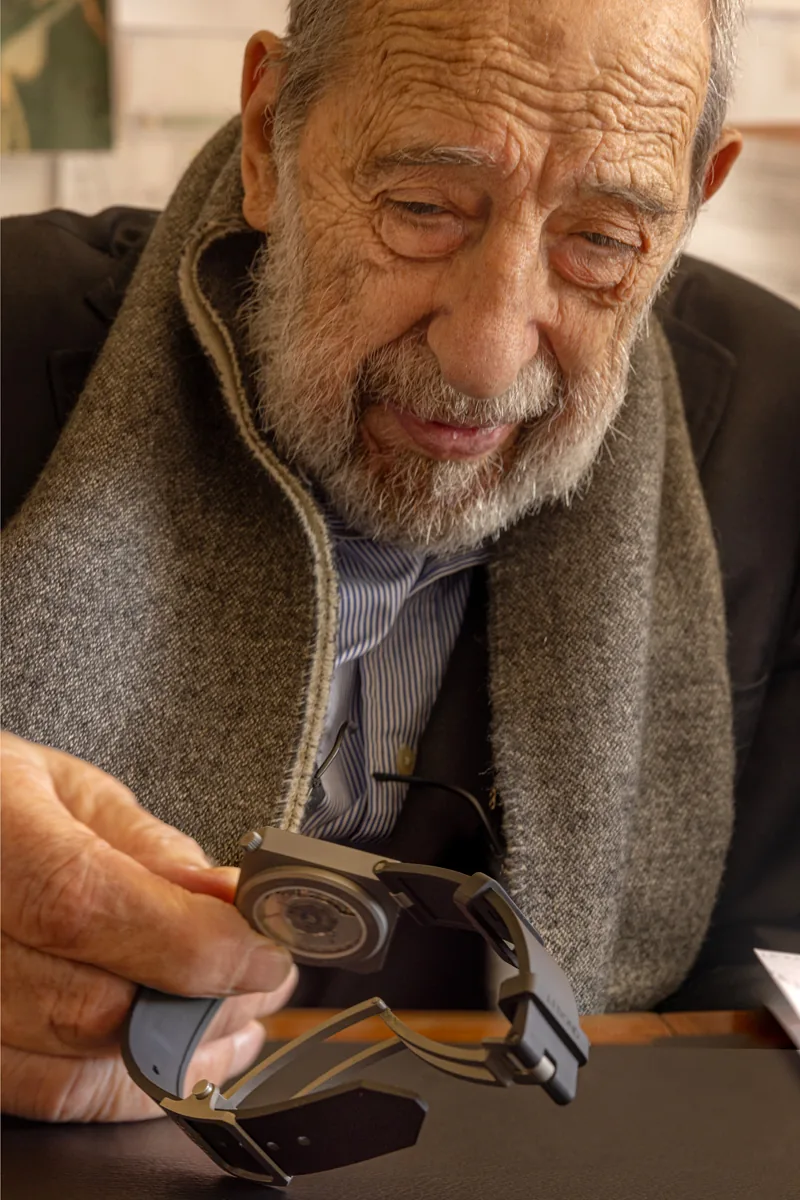
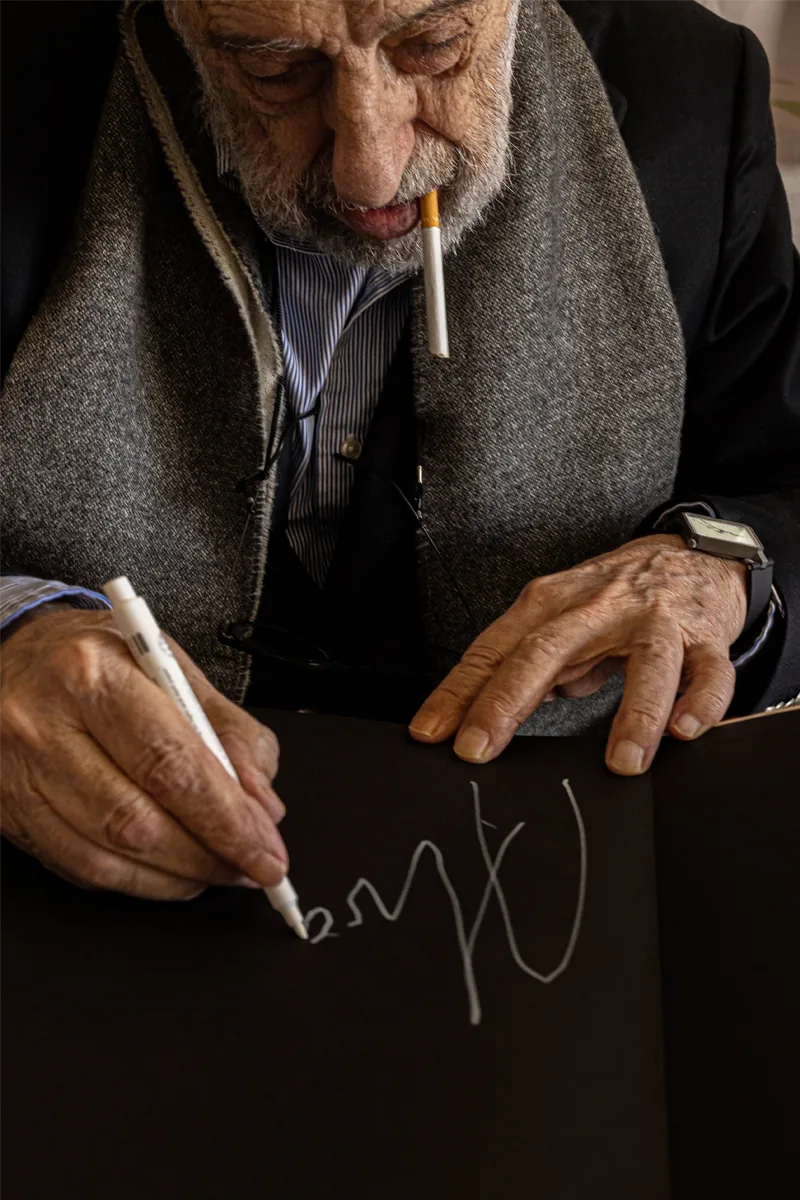
Álvaro Siza architecture is the quiet, light-filled modernism of Portugal’s most celebrated architect, work that looks deceptively simple yet resolves site, light and material with rare precision. Born in 1933, Siza is the figure who turned the modern movement into something humane and poetic, and whose sensibility now sits on the wrist in the Lebond Siza.
Álvaro Siza Vieira is a Portuguese architect, born in 1933 in Matosinhos near Porto, and the most internationally recognised voice of the so-called Porto School. He completed his first houses before even finishing his studies at the University of Porto, and has worked for more than six decades from the same northern Portuguese coast. In 1992 he received the Pritzker Prize, architecture’s highest honour, with a jury that praised shapes “molded by light” and a “deceptive simplicity” that is, above all, honest.
Poetic modernism is the term most often used for Siza’s work, and it describes a modernism stripped of dogma and tuned to place. Where early modernists imposed a universal language, Siza listens first to the site, its light, its slope, its history, then composes white, sculptural volumes that feel inevitable rather than imposed. The result is rational and emotional at once: clean geometry softened by the way a wall catches the afternoon sun or frames a single view of the sea.
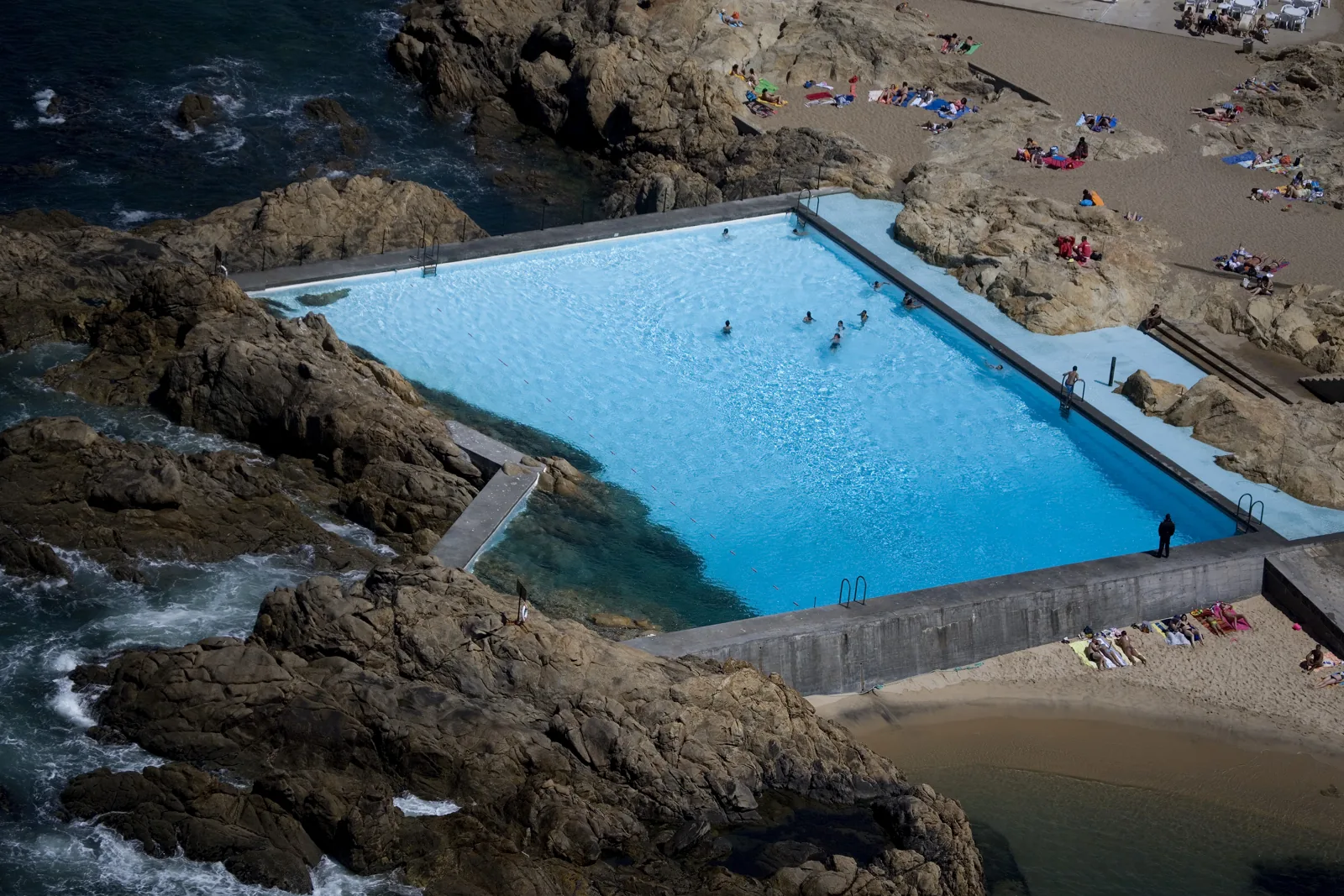
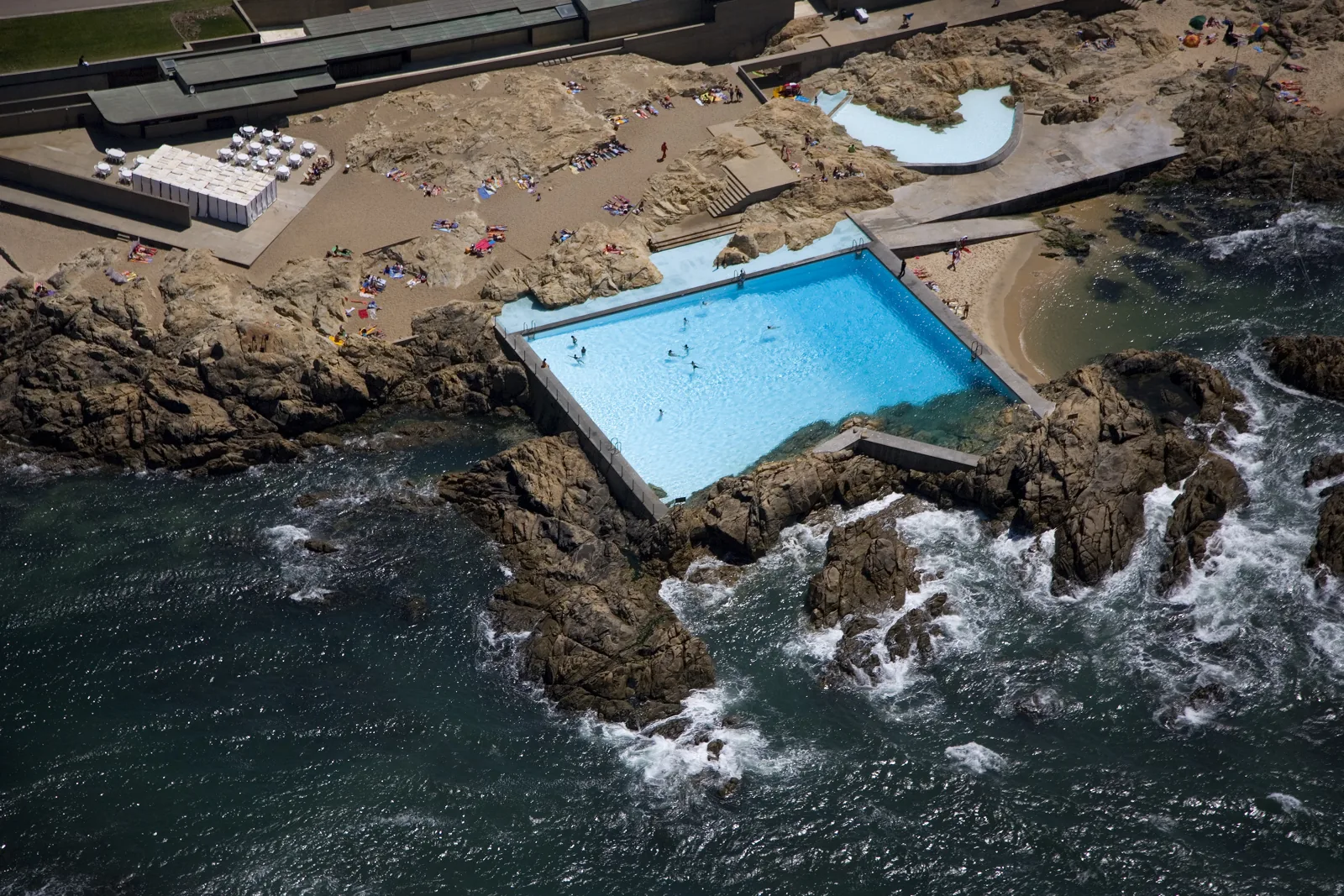
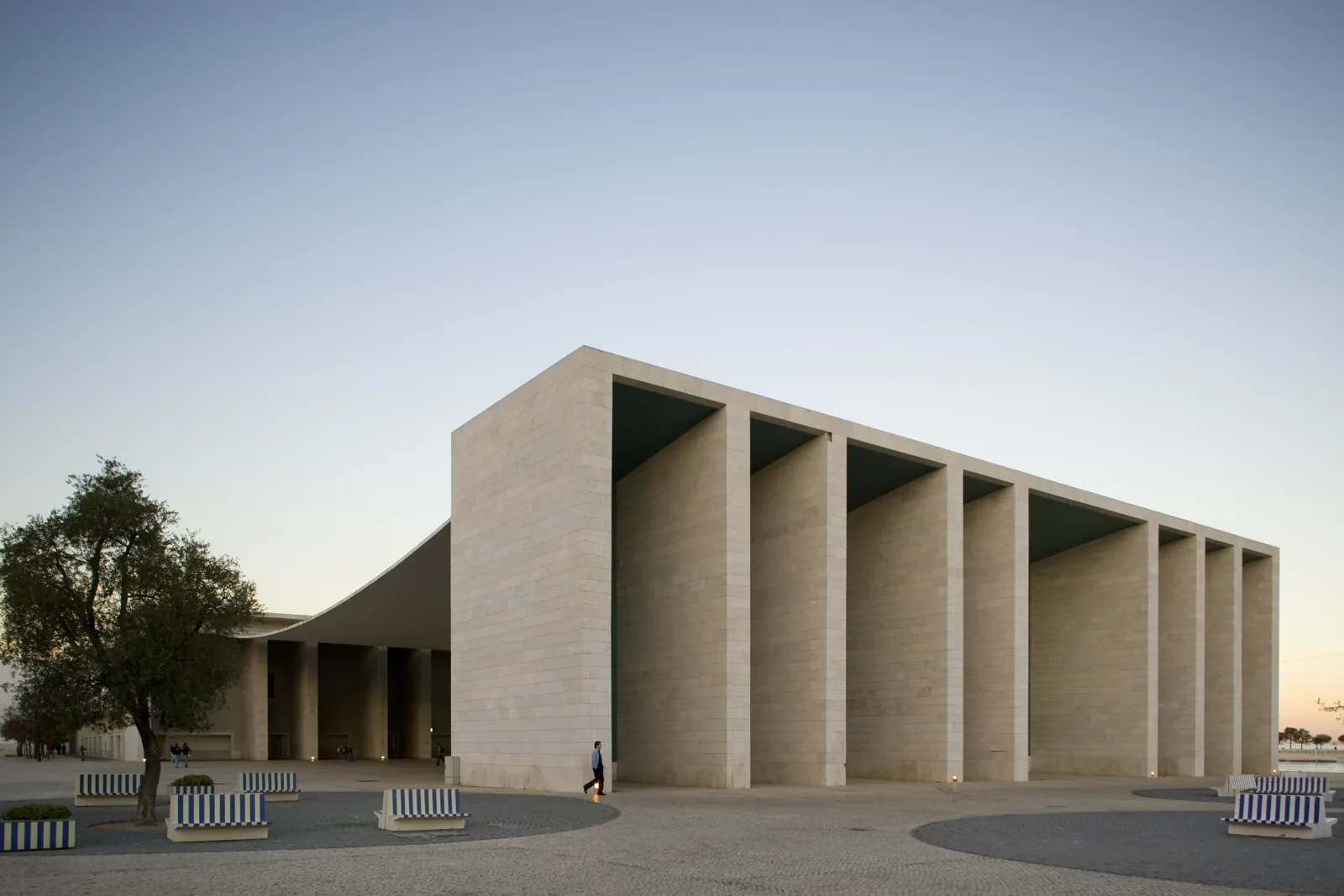
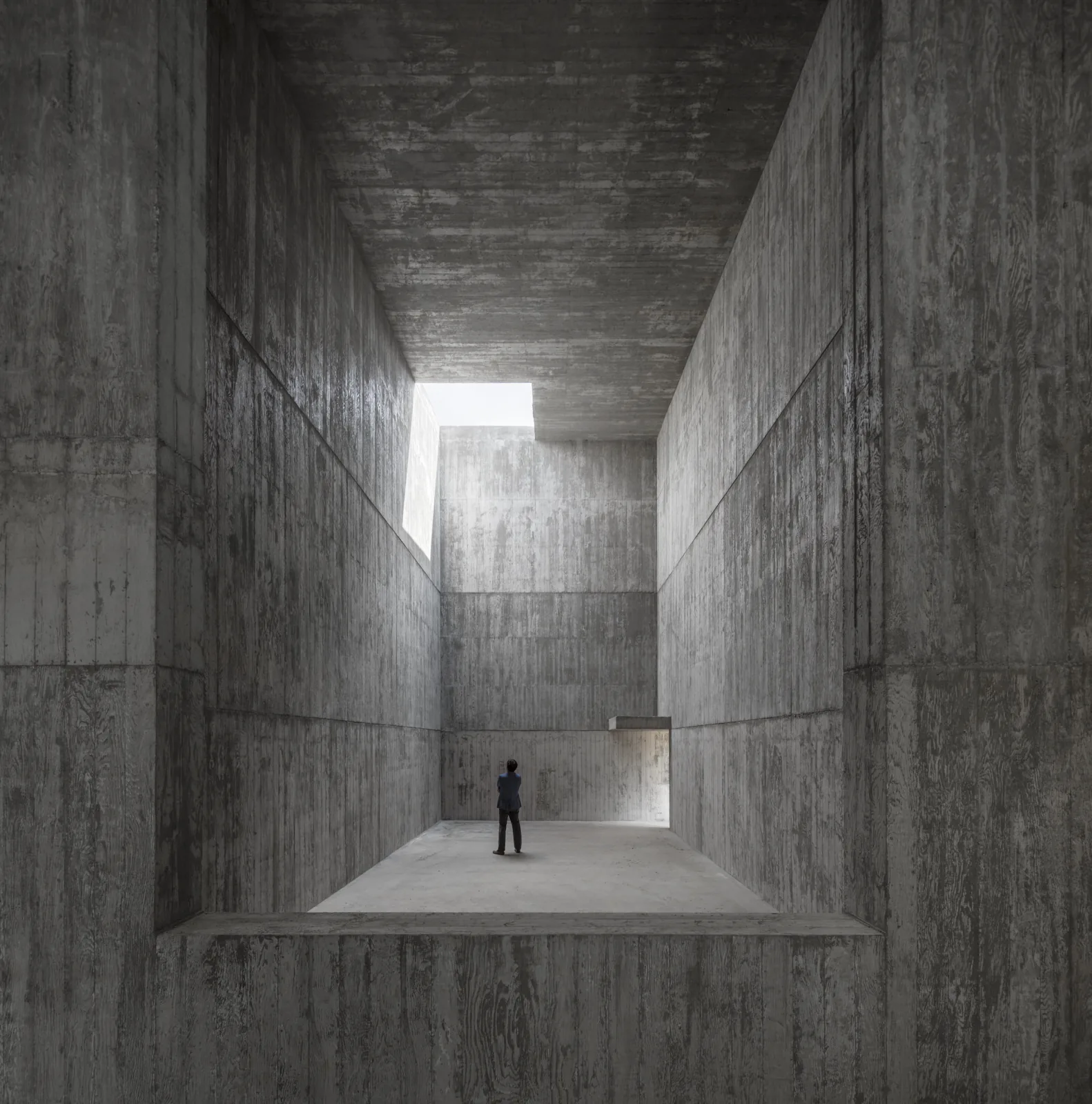
Siza’s reputation rests on a handful of works that read like a course in restraint. The Leça Swimming Pools, carved into the rocks of the Atlantic shore, remain his most lyrical early statement, while the Serralves Museum and the Portuguese Pavilion for Expo 98 show the same hand at civic scale.
| Year | Building | Location | Type |
|---|---|---|---|
| 1963 | Boa Nova Tea House | Leça da Palmeira | Restaurant |
| 1966 | Leça Swimming Pools | Leça da Palmeira | Public pools |
| 1993 | Galician Centre of Contemporary Art | Santiago de Compostela | Museum |
| 1997 | Serralves Museum | Porto | Museum |
| 1998 | Portuguese Pavilion, Expo 98 | Lisbon | Civic |
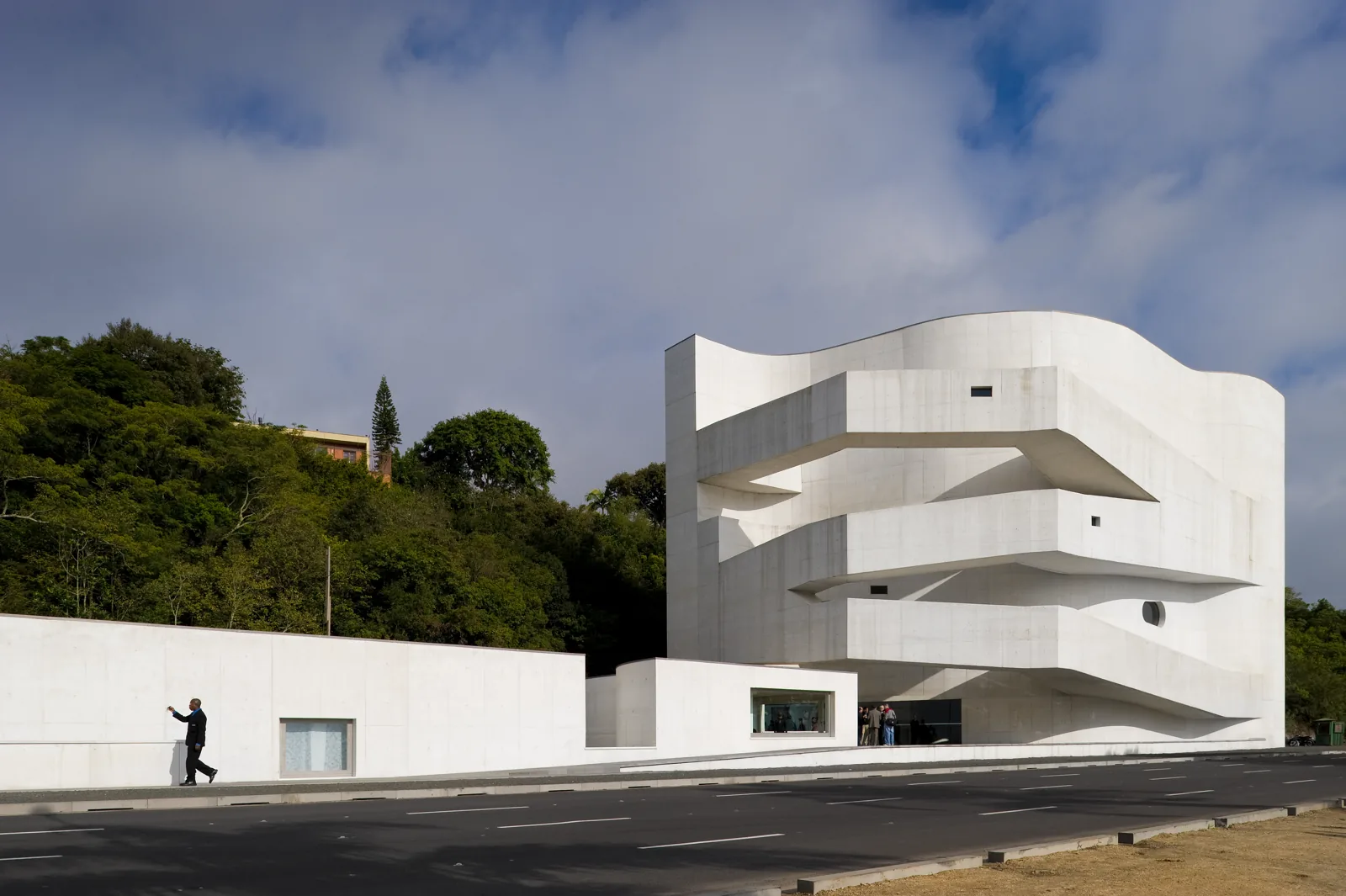
| 2008 | Iberê Camargo Foundation | Porto Alegre | Museum |
Beyond these, the honours accumulated: the RIBA Royal Gold Medal in 2009 and the Golden Lion for lifetime achievement at the Venice Biennale in 2012 confirmed Siza as a living classic. His former collaborator Eduardo Souto de Moura would later win the Pritzker himself, extending the Porto School’s quiet influence.
Siza did not work alone, and his deeper legacy is a way of thinking now known as the Porto School. Teaching for decades at the University of Porto, he helped shape a generation of Portuguese architects who share his attention to site, light and material economy, most famously Eduardo Souto de Moura, the 2011 Pritzker laureate. What binds them is not a style to copy but a method: study the place first, draw only what the place asks for, and let construction stay honest and visible. That discipline travels well beyond Portugal. It explains why Siza’s buildings, from a small chapel to a national museum, feel of a single mind, and why his approach translates so naturally to objects, where the same editing instinct decides what a dial should and should not say. For collectors, this is the appeal of an architect’s hand: an authorship that values coherence over spectacle.
Siza often credits a single trip to Barcelona, and the work of Antoni Gaudí, with turning him from an aspiring sculptor into an architect. It is a fitting lineage for a brand whose architects span both the rational and the expressive: the same Catalan imagination that moved Siza also underpins the Lebond Attraction. Architecture, for Siza, never abandoned feeling; it simply disciplined it.
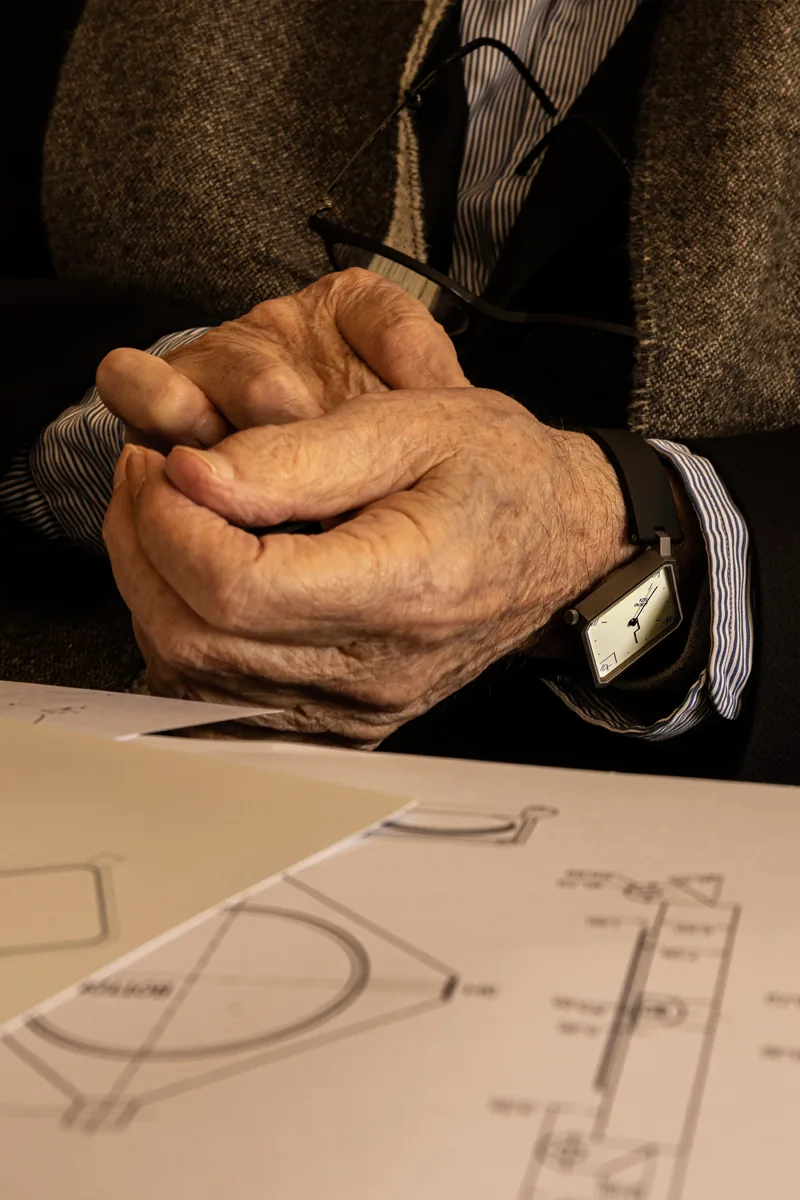
The clearest way to wear Álvaro Siza architecture is the Lebond Siza, a watch he designed in Swiss titanium. Its dial carries the same instincts as his buildings: proportion before ornament, light read across a matte surface, nothing added that does not earn its place. To see how those ideas translate across the collection, explore the full Lebond watches.
Álvaro Siza Vieira is a Portuguese architect, born in 1933 in Matosinhos near Porto. He is the leading figure of the Porto School and won the Pritzker Prize in 1992, celebrated for a restrained, light-filled modernism often called poetic modernism.
Siza is known for sculptural white buildings that respond closely to their site and light, including the Leça Swimming Pools, the Serralves Museum in Porto and the Portuguese Pavilion for Expo 98 in Lisbon. He also designed the Lebond Siza watch in titanium.
Poetic modernism describes a modern architecture that keeps clean geometry and honest materials but tunes them to place, light and emotion. It is the term most associated with Álvaro Siza, whose work feels rational and lyrical at the same time.
Yes. Álvaro Siza received the Pritzker Prize in 1992. He was later awarded the RIBA Royal Gold Medal in 2009 and the Golden Lion for lifetime achievement at the Venice Biennale in 2012.
The Lebond Siza is a Swiss titanium wristwatch designed by Álvaro Siza, applying his architectural principles of proportion, light and restraint to a minimalist dial. It is part of Lebond’s collection of architect-designed watches.