

COMPLIMENTARY WORLDWIDE SHIPPING
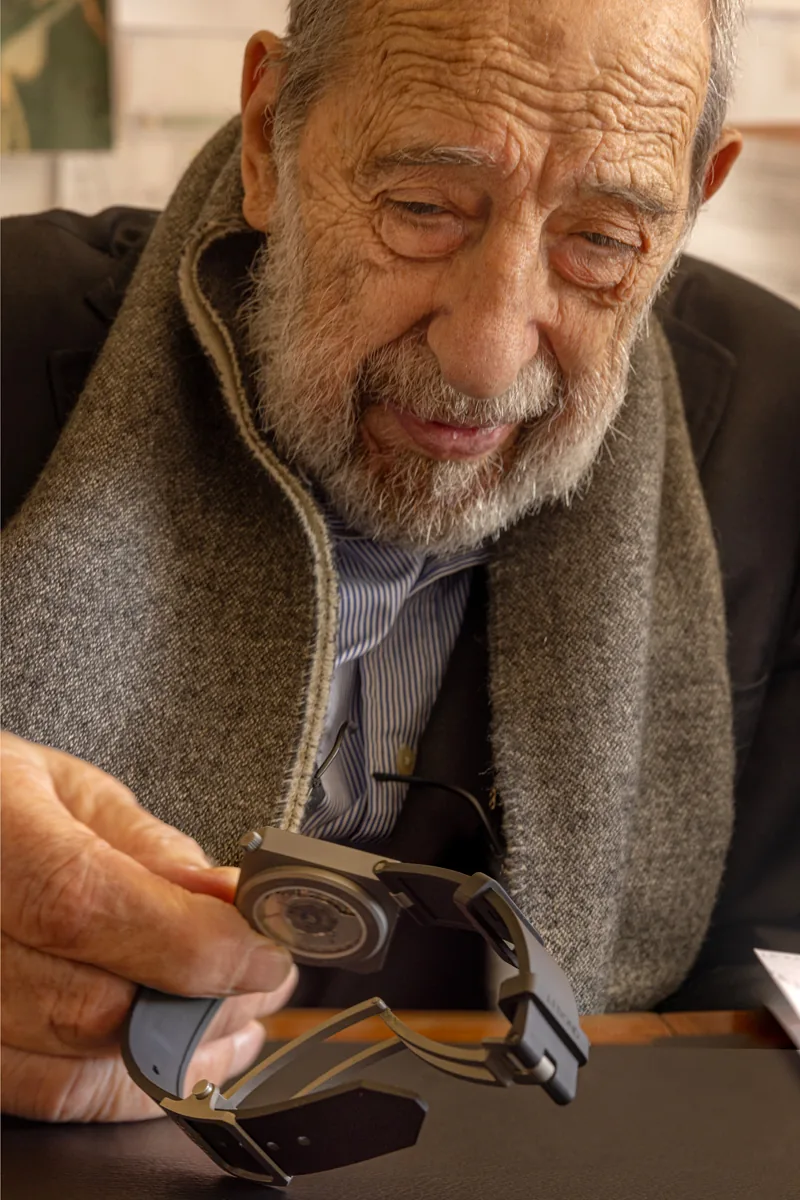
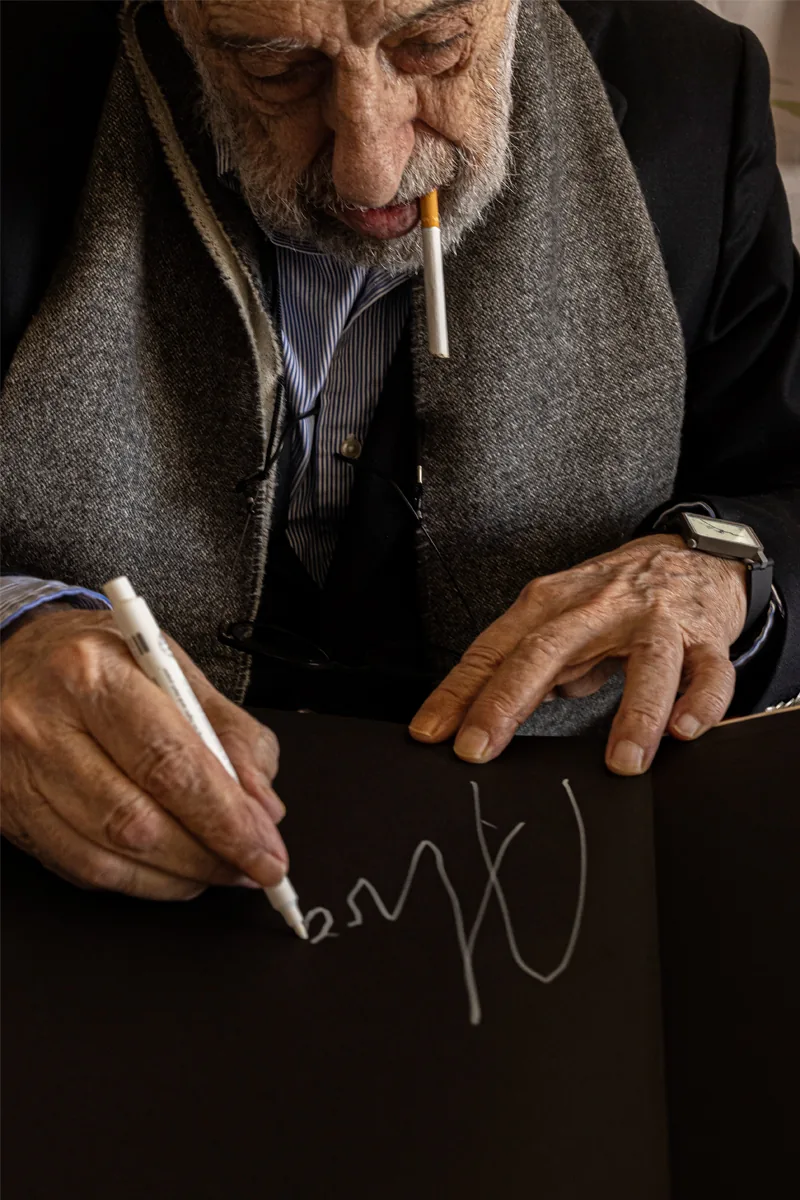
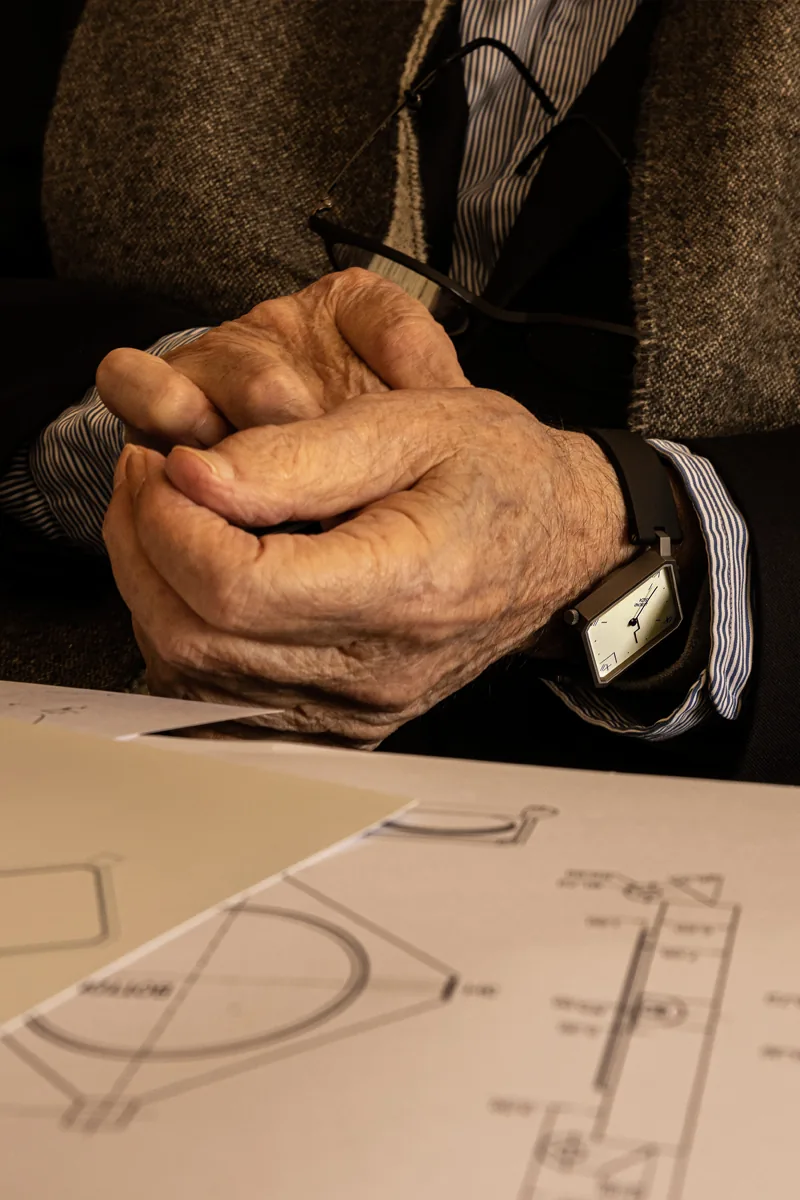
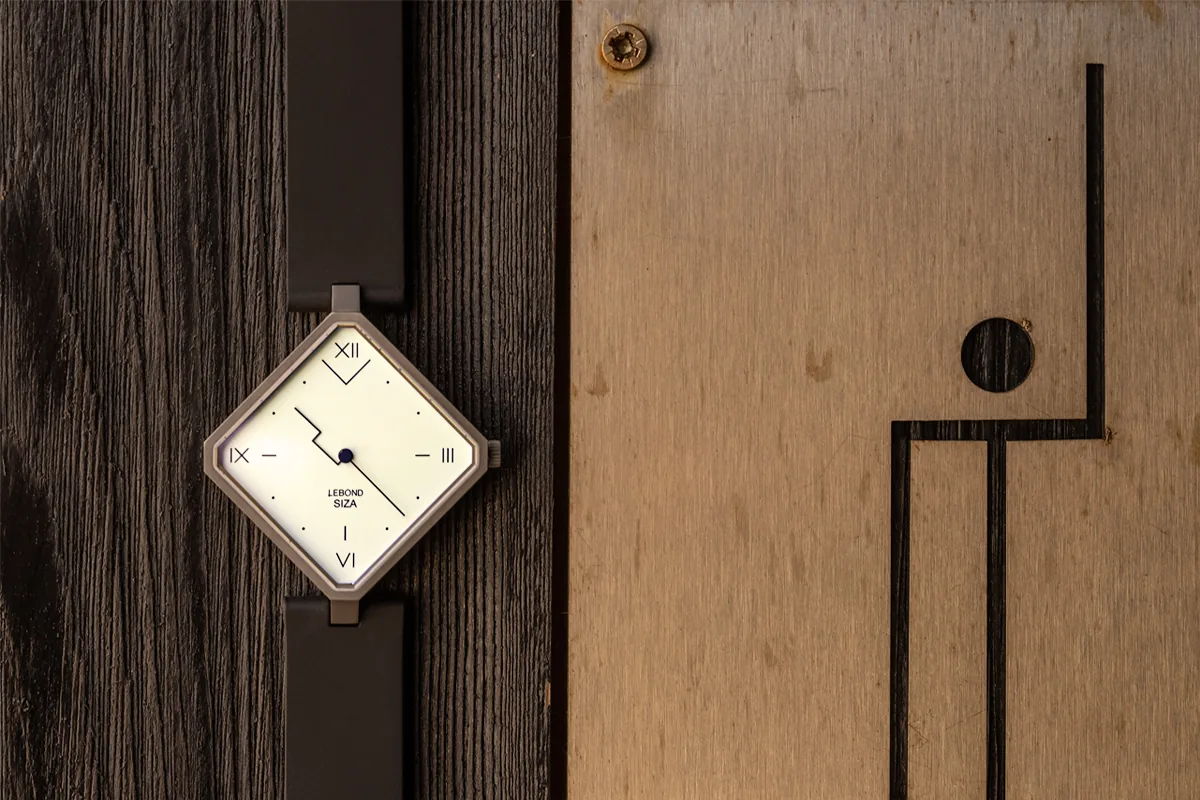
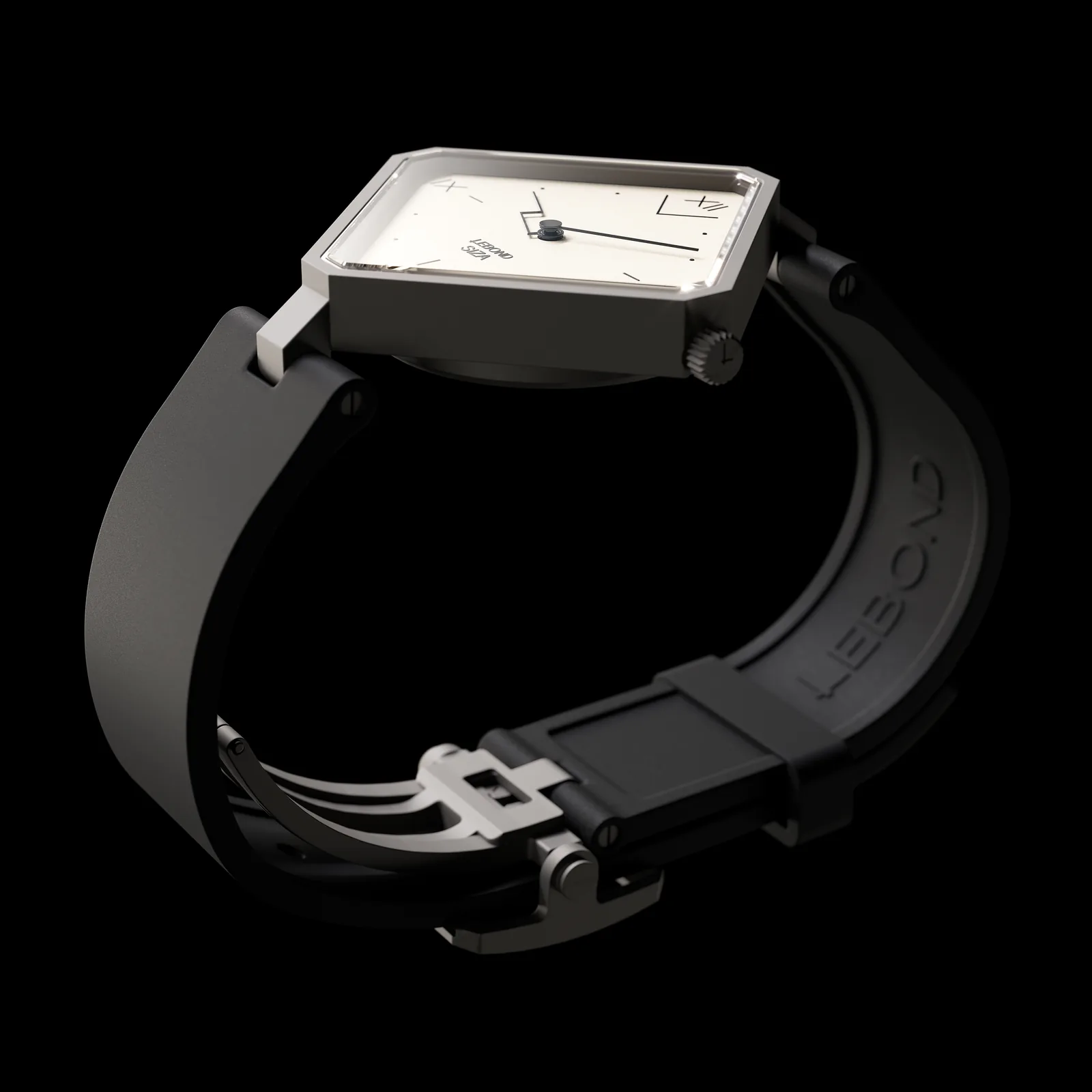
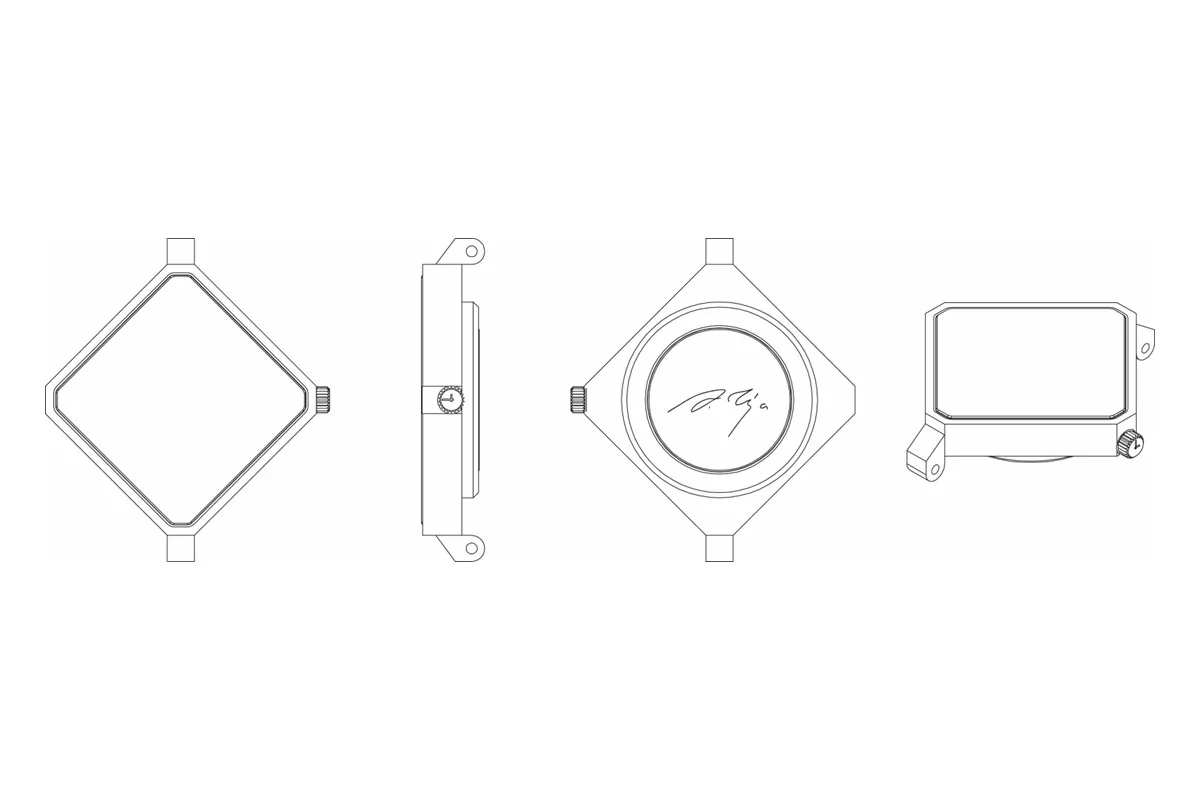
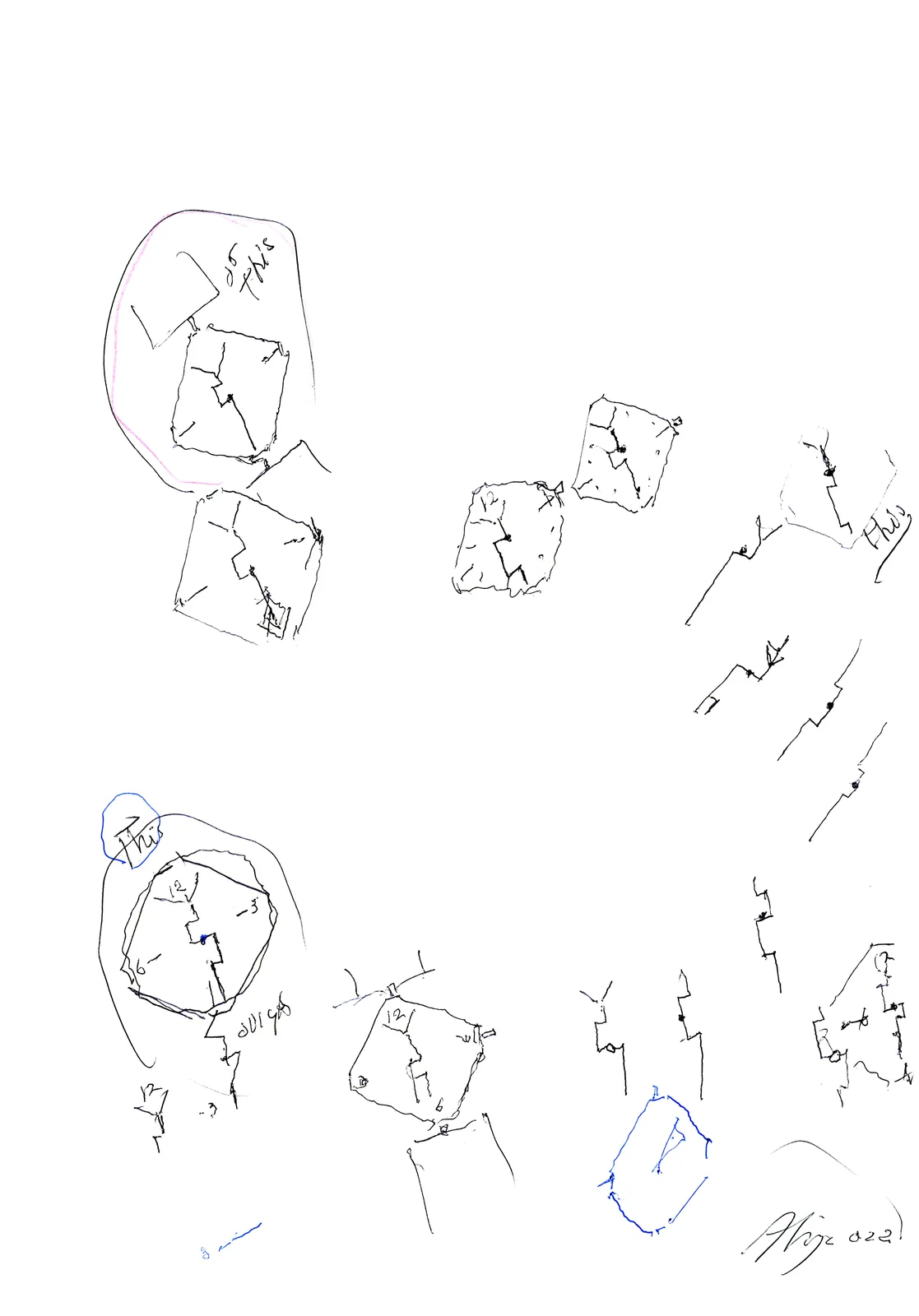
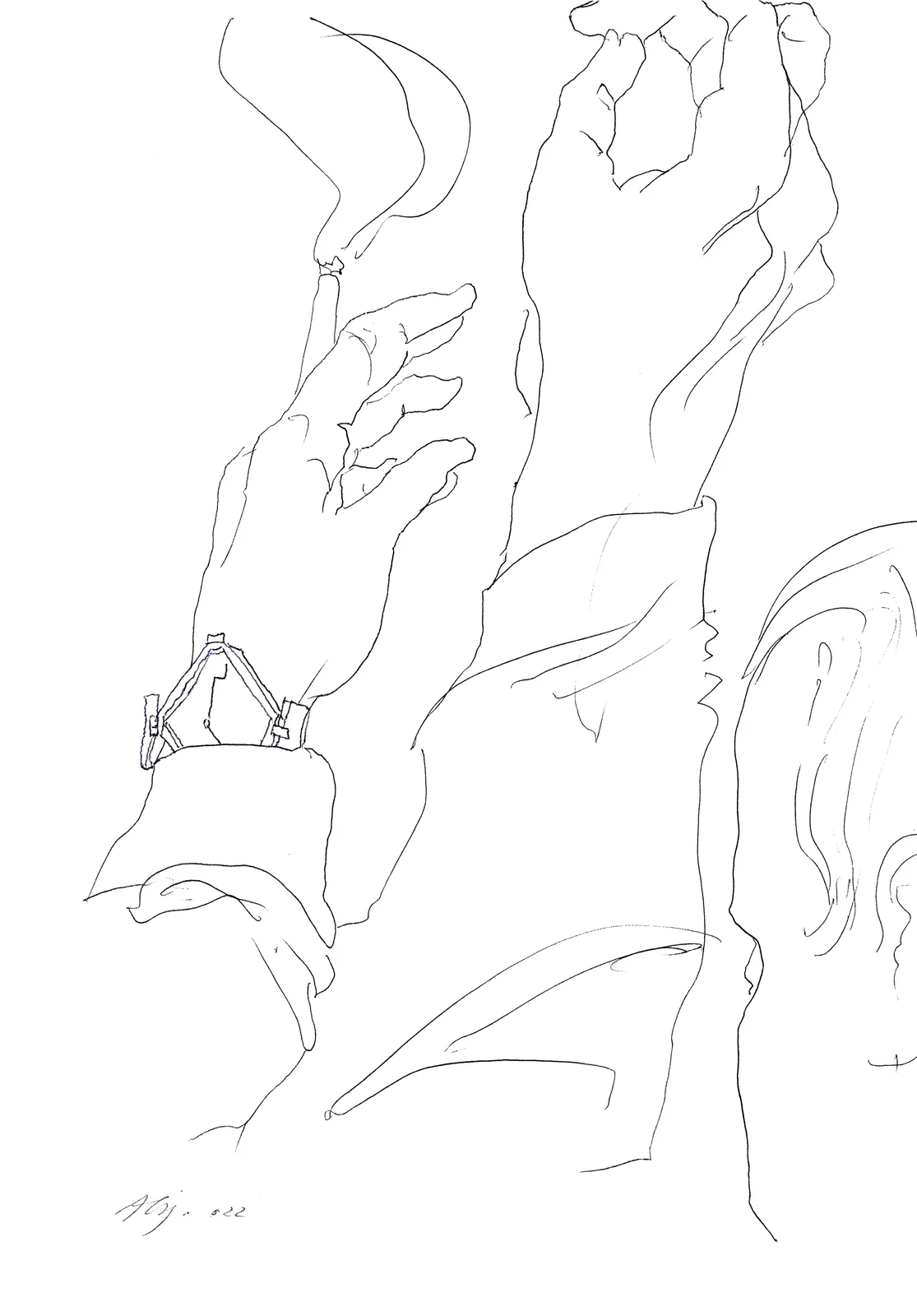
Photography by Fernando Guerra. Sketches by Álvaro Siza.
Architect-designed watches are timepieces conceived by architects rather than by traditional watch designers. This guide focuses on the mechanical examples of the genre, watches driven by a hand-wound or automatic movement rather than a quartz battery. They form a small, exacting genre that prizes proportion, material and restraint, treating the dial like a façade in miniature.
An architect-designed watch is a watch whose form and concept are authored by a practising architect. It starts from an architect’s vocabulary, structure, geometry, light and honest materials, rather than the conventions of horology. The result reads less like jewellery and more like a small piece of built work, which sets it apart from a designer collaboration, where a name is simply added to an existing watch.
The genre traces back to the Bauhaus. In 1961, the Bauhaus-trained Swiss architect Max Bill designed a watch for Junghans whose clarity still defines the category, offered as a self-winding automatic. The same instinct returned in 1988, when the Italian architect and Pritzker laureate Aldo Rossi conceived the Momento for Alessi, a spare, classical dial driving an ETA automatic movement. That thread of mechanical, Bauhaus-rooted restraint continued through NOMOS Glashütte, which built a following on in-house mechanical calibres dressed in the same disciplined clarity.
Architects resolve scale, proportion and material into one coherent object, exactly what a fine watch demands. The modernist credo of form follows function suits a dial, where every line must earn its place. A few architectural ideas recur:
Lately, winners of the Pritzker Prize, architecture’s highest honour, have turned to horology, almost always in mechanical movements. Frank Gehry cut a transparent Tambour Moon for Louis Vuitton from a single block of sapphire, animated by a flying tourbillon, while Santiago Calatrava gave Gübelin a vintage-inspired automatic. Tadao Ando and the SANAA partnership of Kazuyo Sejima and Ryue Nishizawa have each shaped ultra-thin automatic editions of Bvlgari’s Octo Finissimo. Portugal’s two laureates, Álvaro Siza and Eduardo Souto de Moura, both working in Swiss automatic calibres, are now closely tied to the genre.
A concise reference to the principal mechanical timepieces conceived by architects, from Max Bill’s Bauhaus clarity to the present day. Every entry is driven by a hand-wound or automatic movement.
| Year | Architect | Watch | Brand | Movement |
|---|---|---|---|---|
| 1961 | Max Bill | Max Bill Automatic | Junghans | Automatic |
| 1988 | Aldo Rossi | Momento Automatic | Alessi | Automatic (ETA) |
| 2023 | Álvaro Siza | Lebond Siza Original | Lebond | Automatic (ETA 2892-A2) |
| 2024 | Eduardo Souto de Moura | Lebond Souto Moura | Lebond | Automatic (ETA 2892-A2) |
| 2024 | Frank Gehry | Tambour Sapphire | Louis Vuitton | Automatic tourbillon |
| 2024 | Santiago Calatrava | Ipsomatic | Gübelin | Automatic (Felsa 4007N) |
| 2025 | SANAA | Octo Finissimo special edition | Bvlgari | Ultra-thin automatic |
| 2025 | Tadao Ando | Octo Finissimo special edition | Bvlgari | Ultra-thin automatic |
| 2026 | Asier Mateo | Lebond Gaudí Tribute | Lebond | Automatic (ETA 2892-A2) |
Where most architect watches are one-offs, Lebond is built entirely on the idea: architect-designed watches in Swiss titanium. The LEBOND Siza is by Álvaro Siza (Pritzker 1992), the LEBOND Souto Moura by Eduardo Souto de Moura (Pritzker 2011), and the LEBOND Attraction is an homage to Antoni Gaudí. Titanium gives each an honest, matte materiality, light on the wrist yet substantial in design.
Judge an architect-designed watch like a building: by proportion, material and intent, not ornament. Look at provenance (who designed it and why), material honesty, and whether it stays legible rather than busy. The best examples feel inevitable. To see the idea in titanium, explore the full Lebond collection.
An architect-designed watch is a timepiece whose form and concept are authored by a practising architect rather than a conventional watch designer. It applies architectural thinking, proportion, structure, material honesty and restraint, at the scale of the wrist.
The defining moment came in 1961, when the Bauhaus-trained Swiss architect Max Bill designed a mechanical watch for Junghans whose clarity still sets the template for architect-designed watches today.
They include Max Bill, Aldo Rossi, Frank Gehry, Santiago Calatrava, Tadao Ando and the SANAA partnership, alongside Pritzker laureates Álvaro Siza and Eduardo Souto de Moura, whose designs Lebond produces in titanium.
Because they inherit the modernist principle that form follows function. Rooted in the Bauhaus, architects tend to remove rather than add, letting proportion and material carry the design.
The most significant ones are mechanical. From Max Bill’s automatic for Junghans to the Swiss automatic calibres in every Lebond, architects have gravitated toward self-winding movements, where the integrity of the mechanism mirrors the honesty they bring to a building.
The LEBOND Siza is designed by Álvaro Siza (Pritzker 1992), the LEBOND Souto Moura by Eduardo Souto de Moura (Pritzker 2011) and the LEBOND Attraction is an homage to Antoni Gaudí, Swiss made in titanium.