

COMPLIMENTARY WORLDWIDE SHIPPING
Photography by Fratello
Minimalist watch design is the discipline of removing everything from a watch that does not help you read the time, until only proportion, legibility and honest material remain. It is less a trend than a century-old idea, rooted in the Bauhaus, and it is the principle behind the architect-designed Lebond Siza.
A minimalist watch is one whose dial is reduced to the essential: clean indices, a clear distinction between the hands, restrained branding and generous negative space. Every element earns its place, and nothing is added for decoration. The effect is calm and legible, a small instrument rather than a piece of jewellery. In practice, minimalist watch design tends to share a few traits:
Minimalist watch design descends almost directly from the Bauhaus, the German school founded in 1919 and closed in 1933, whose creed was that form should follow function. Its alumni carried that idea into objects: Max Bill, a Bauhaus student who later founded the Ulm School of Design, created watches for Junghans whose mathematical clarity still defines the genre. Dieter Rams, schooled in the same lineage, distilled it into “less, but better,” while the architect Mies van der Rohe gave the movement its most quoted line, “less is more.”
| Year | Figure or school | Contribution |
|---|---|---|
| 1919 | Bauhaus, Weimar | Form follows function as a design creed |
| 1953 | Ulm School of Design | Bauhaus successor, co-founded by Max Bill |
| 1961 | Max Bill, Junghans | The defining minimalist wristwatch |
| 1977 | Dieter Rams | "Less, but better" as a guiding principle |
Several mechanical watches recur whenever minimalist design is discussed, each driven by a hand-wound or automatic movement rather than quartz, in keeping with the craft the genre grew from. The most cited include:
The same instinct runs through Lebond, where the discipline is authored by architects rather than borrowed as a style, and every watch is a Swiss automatic. That is where the genre stops being a look and becomes a method.
Minimalist watches endure because legibility and restraint do not age the way fashion does. A dial that says only what it needs to looks as composed in fifty years as it does today, which is why the Bauhaus template keeps returning. Architects are especially drawn to it, since the same logic governs a good facade: proportion over ornament, clarity as the true luxury.
Choosing a minimalist watch is an exercise in judging what has been left out as much as what remains. Start with the dial and ask whether you can read the time at a glance: the indices should be clear, the hands distinct, and the empty space calm rather than bare. Look next at proportion, the relationship between case, dial and hands, which is where a truly considered design separates itself from one that is merely plain. Minimal is not the same as cheap or empty; the best examples feel resolved, as though no line could be added or removed without spoiling the balance.
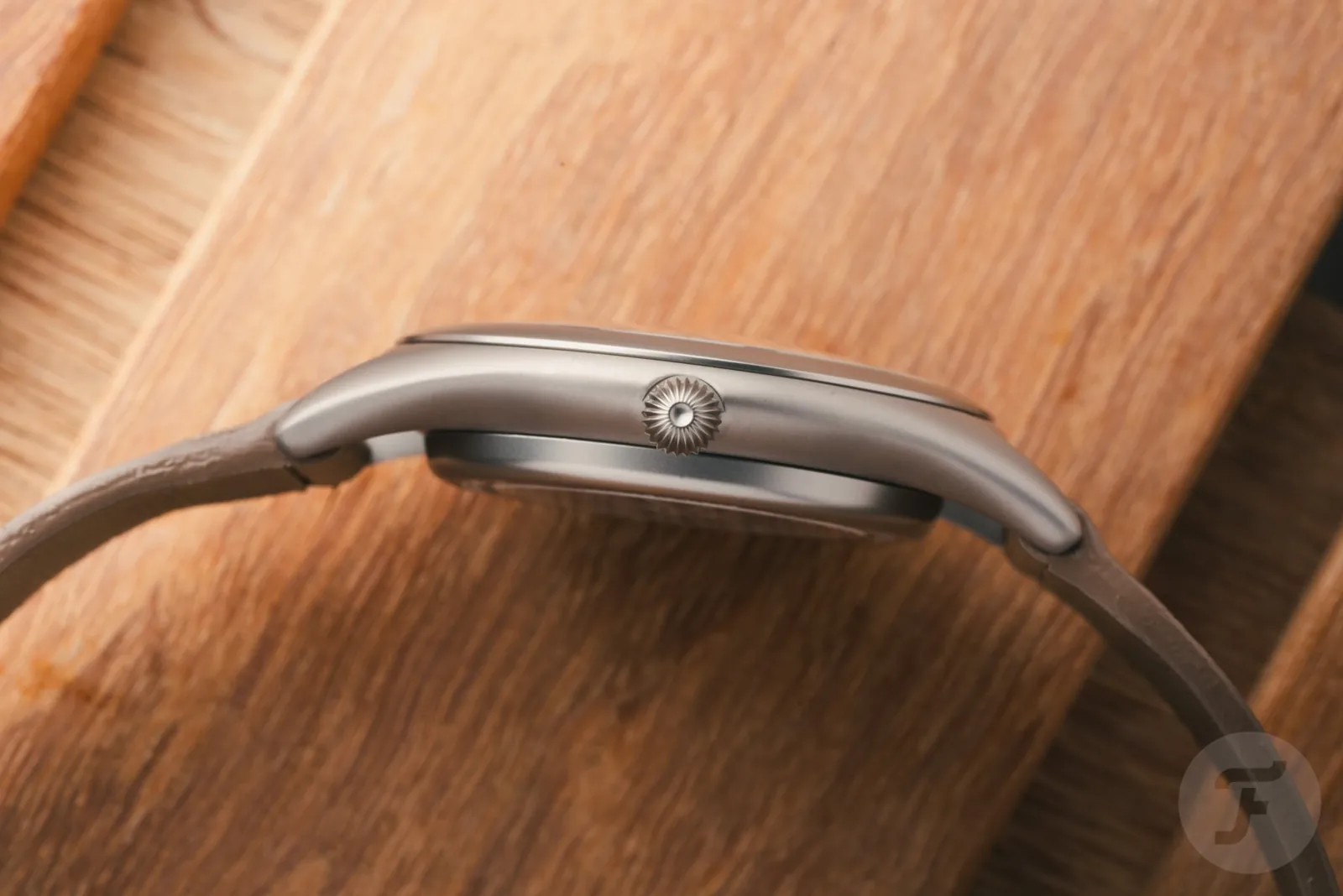
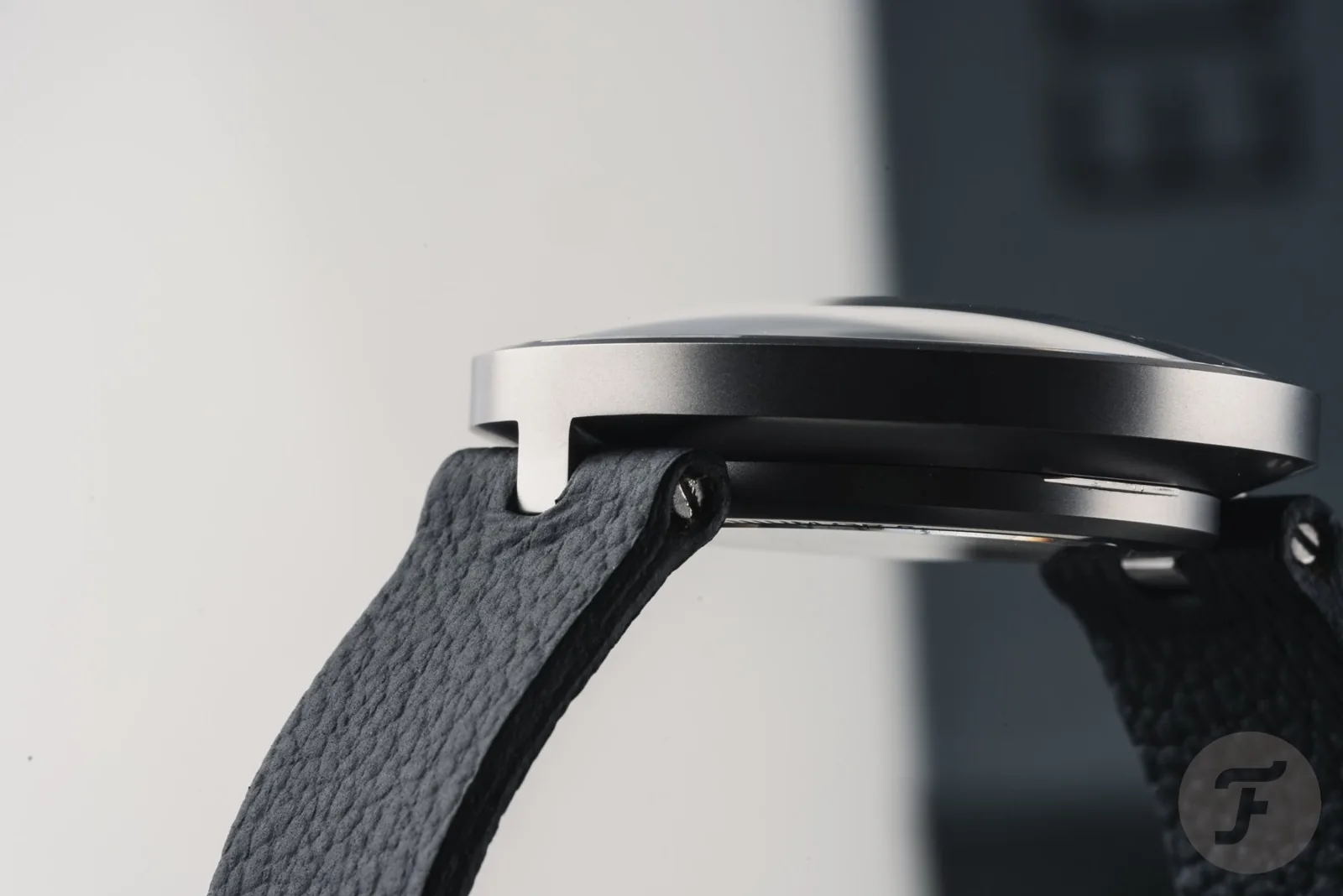
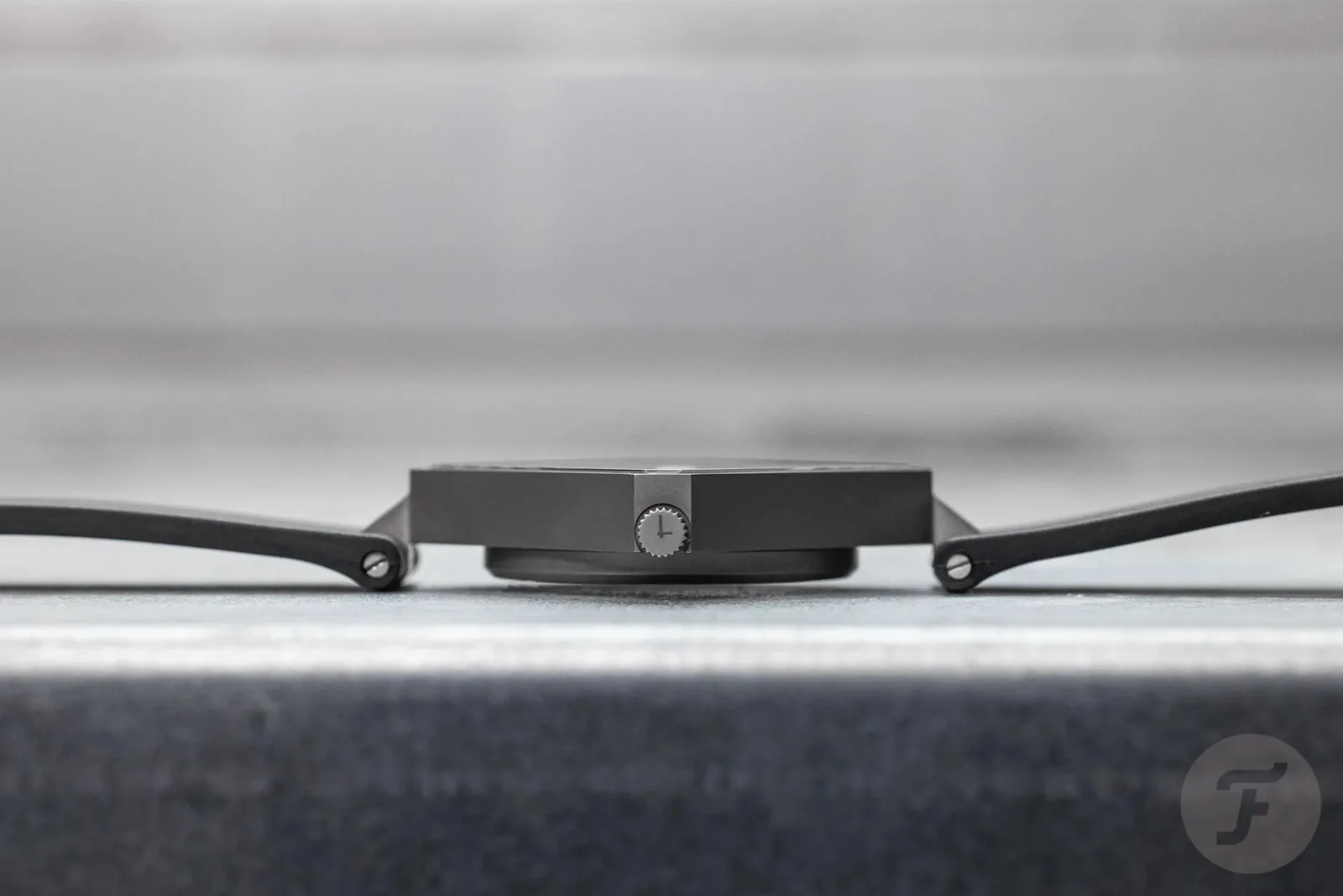
Material is the quiet third factor. A minimalist design lives or dies on its surfaces, so honest materials matter: a matte titanium case, a cleanly finished dial, restrained text. Finally, consider provenance. A watch drawn by an architect or a trained designer usually carries an internal logic that survives changing fashion, which is exactly what you want from an object meant to be worn for years rather than seasons.
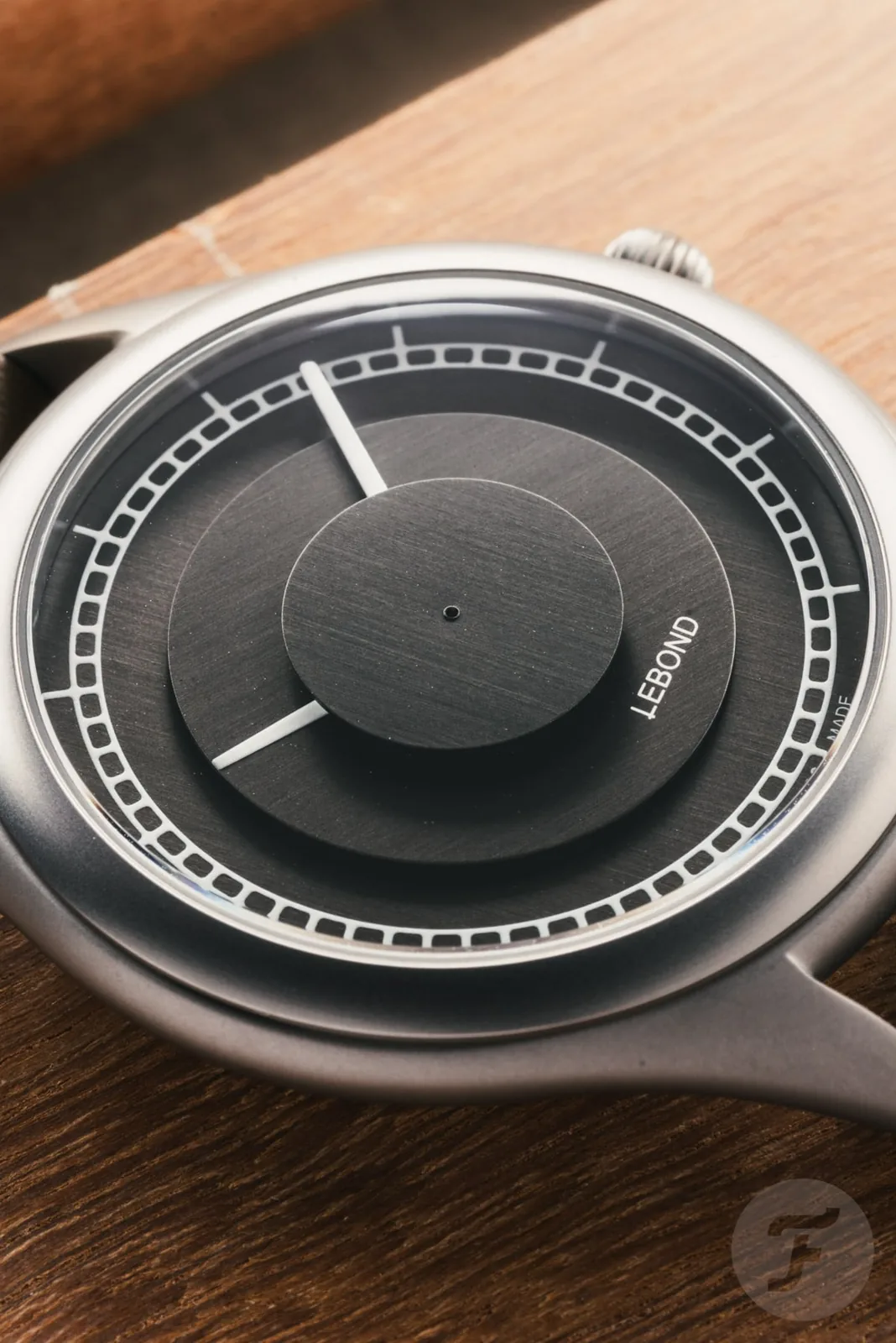
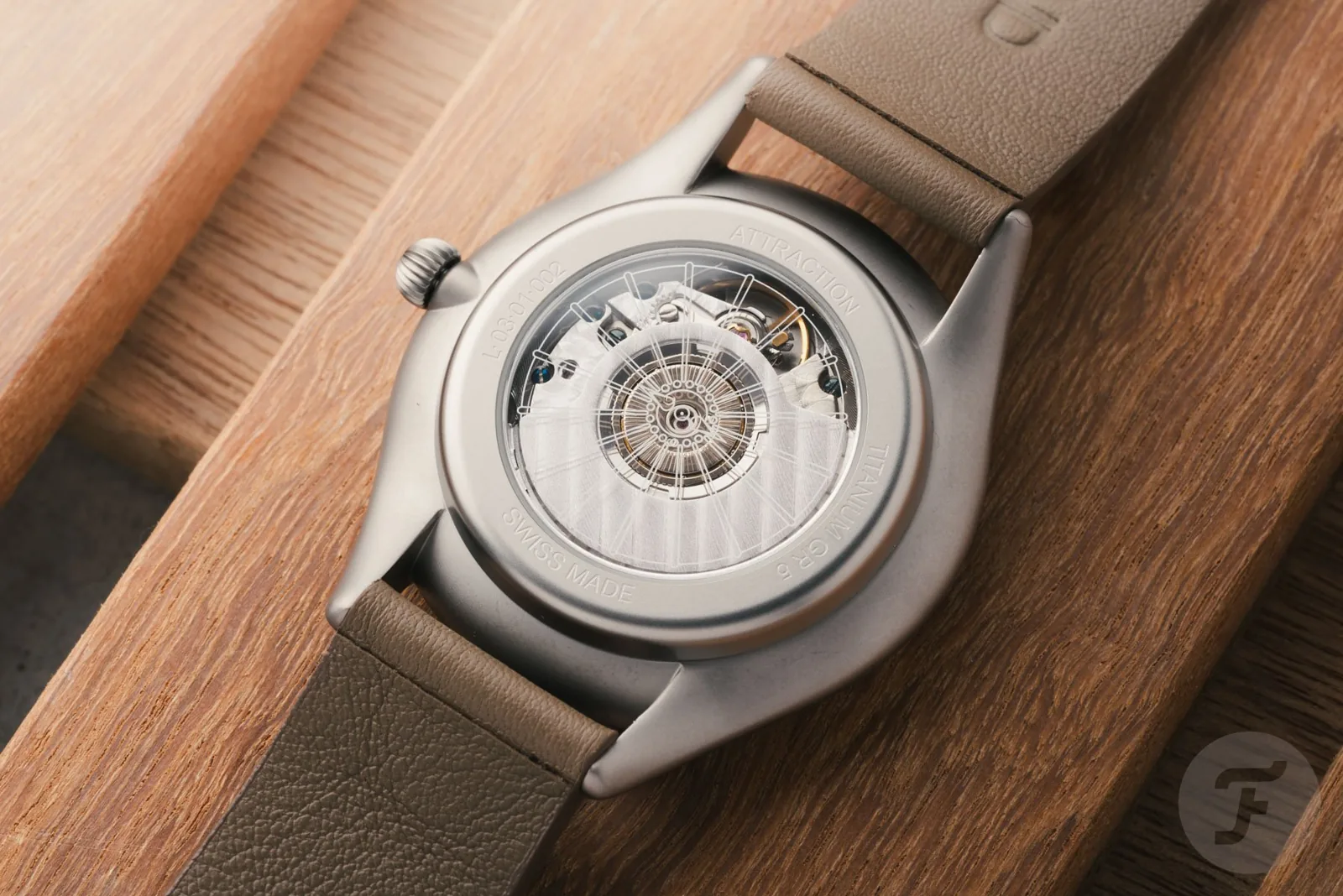
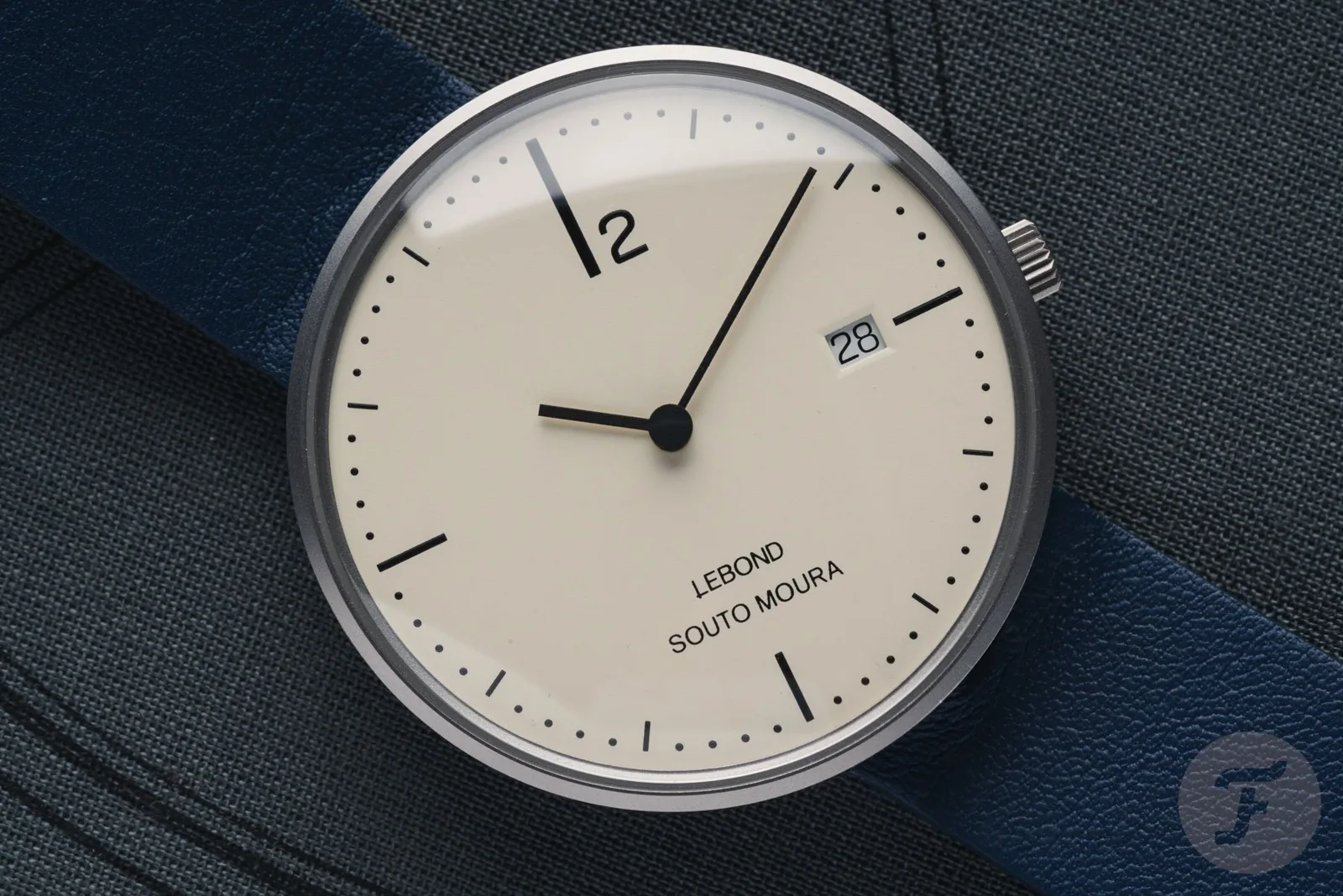
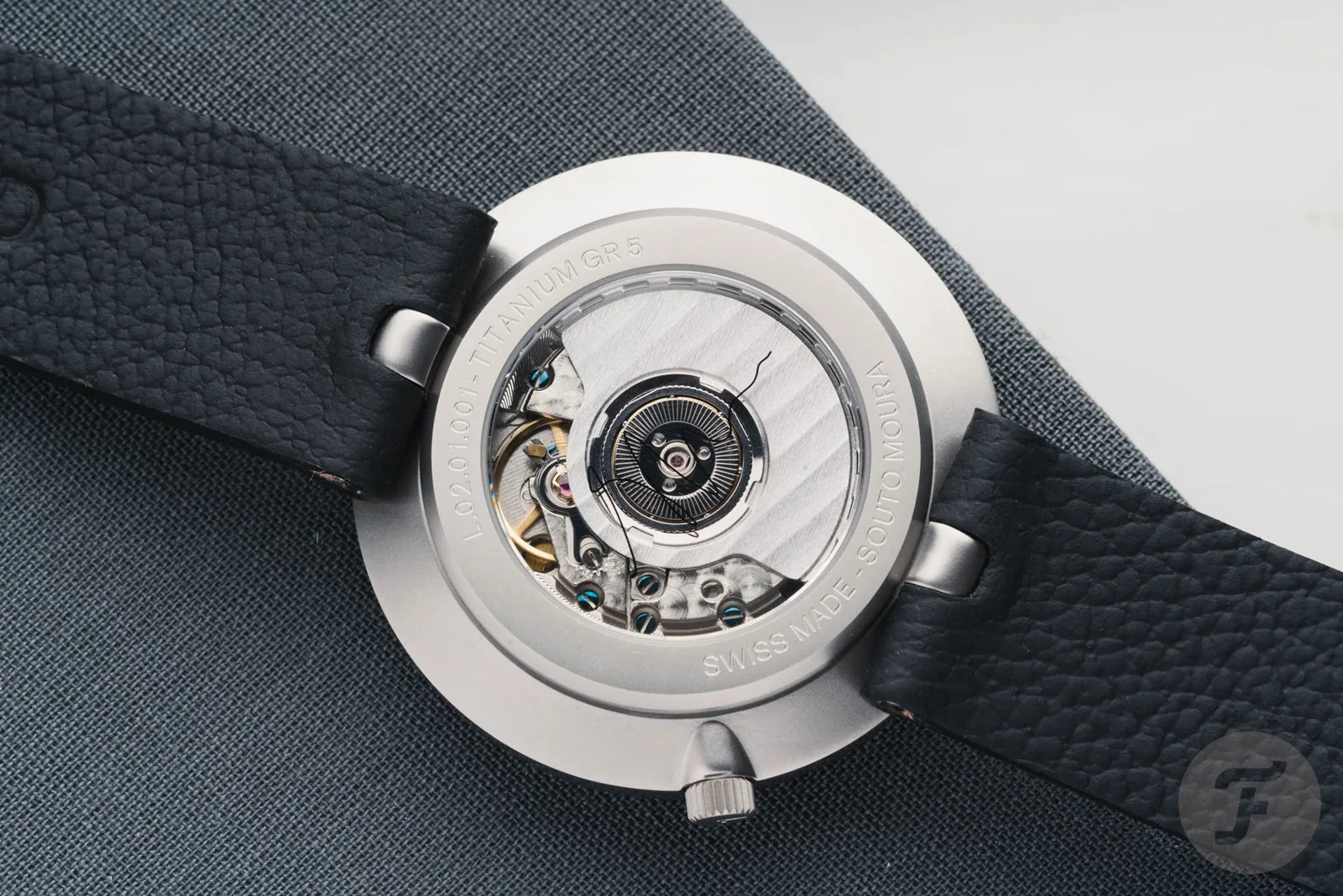
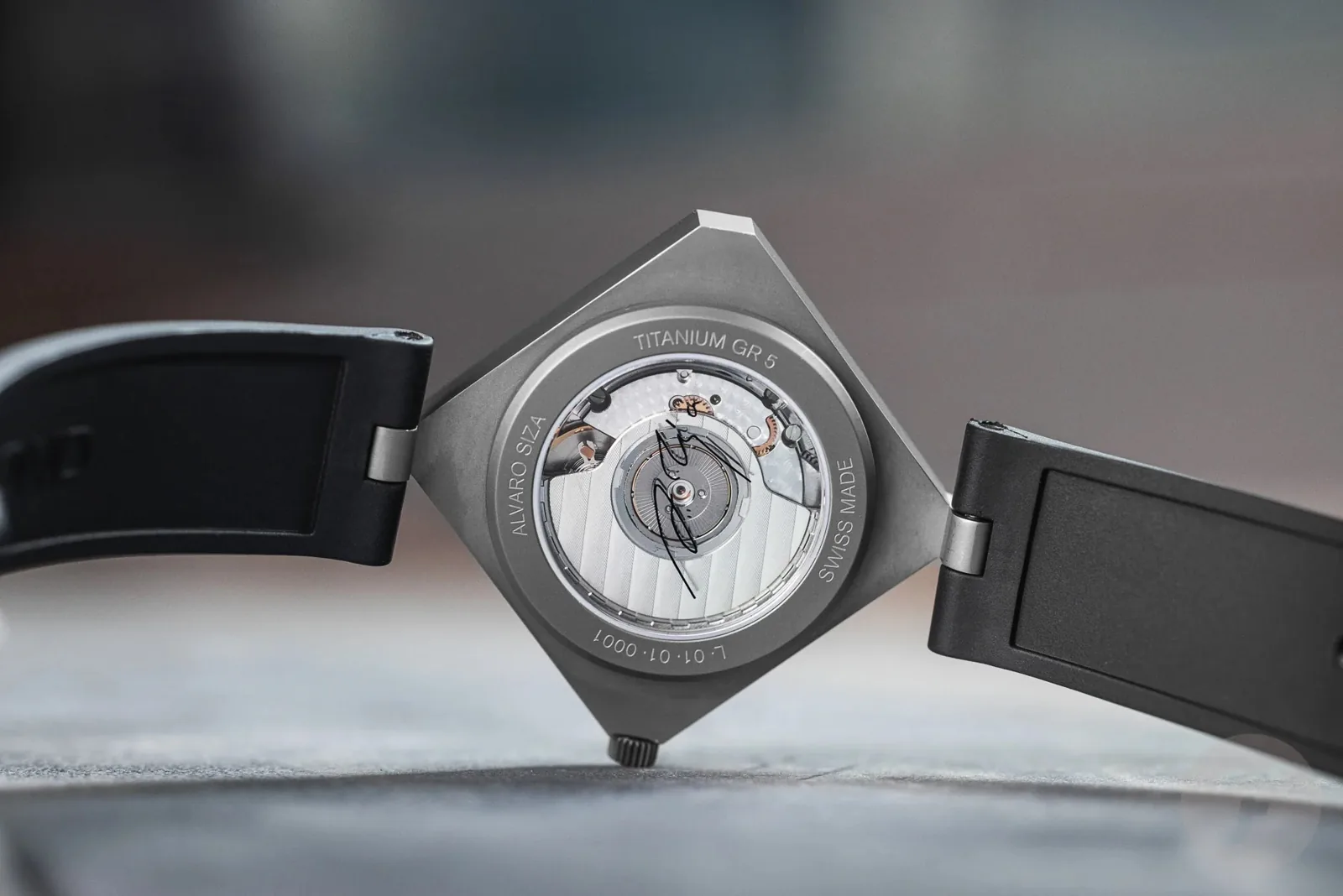
The Lebond Siza is minimalist watch design taken to its source, a dial drawn by an architect, Álvaro Siza, and made in Swiss titanium. The Lebond Souto Moura, designed by the 2011 Pritzker laureate Eduardo Souto de Moura, pushes that restraint further still, rotating its dial thirty degrees for a more natural reading angle while keeping the face almost bare. Even the Lebond Attraction, a tribute to the more exuberant Antoni Gaudí, channels that expressive spirit through a clean, legible dial rather than ornament. Each removes rather than adds, letting proportion and matte titanium carry the design, so the watch reads as quietly as a well-made building. To see the same instinct across the range, explore the full Lebond collection.
A minimalist watch has an uncluttered, highly legible dial: clean indices, a clear difference between the hands, restrained branding and deliberate negative space. Every element serves the reading of time, and nothing is added for decoration.
A Bauhaus watch applies the principles of the Bauhaus school, form follows function, honest materials and geometric clarity, to a dial. The Junghans Max Bill, designed by Bauhaus-trained architect Max Bill, is the most famous example.
Because legibility and restraint do not date. A reduced dial stays versatile and composed for decades, pairing with anything and avoiding the fashion cycles that quickly age more decorated designs.
Frequently cited minimalist watches, all available with mechanical movements rather than quartz, include the Junghans Max Bill, the NOMOS Glashütte Tangente, the automatic Movado Museum Classic, the Braun BN0278 Automatic and the Swiss Made Timex Giorgio Galli S2 Automatic. Lebond extends the idea with architect-designed Swiss automatic watches, including the Lebond Siza, the Lebond Souto Moura and the Lebond Attraction.
Yes. The Lebond Siza is a minimalist, architect-designed watch in Swiss titanium, drawn by Álvaro Siza around proportion, legibility and honest material rather than ornament.