

COMPLIMENTARY WORLDWIDE SHIPPING
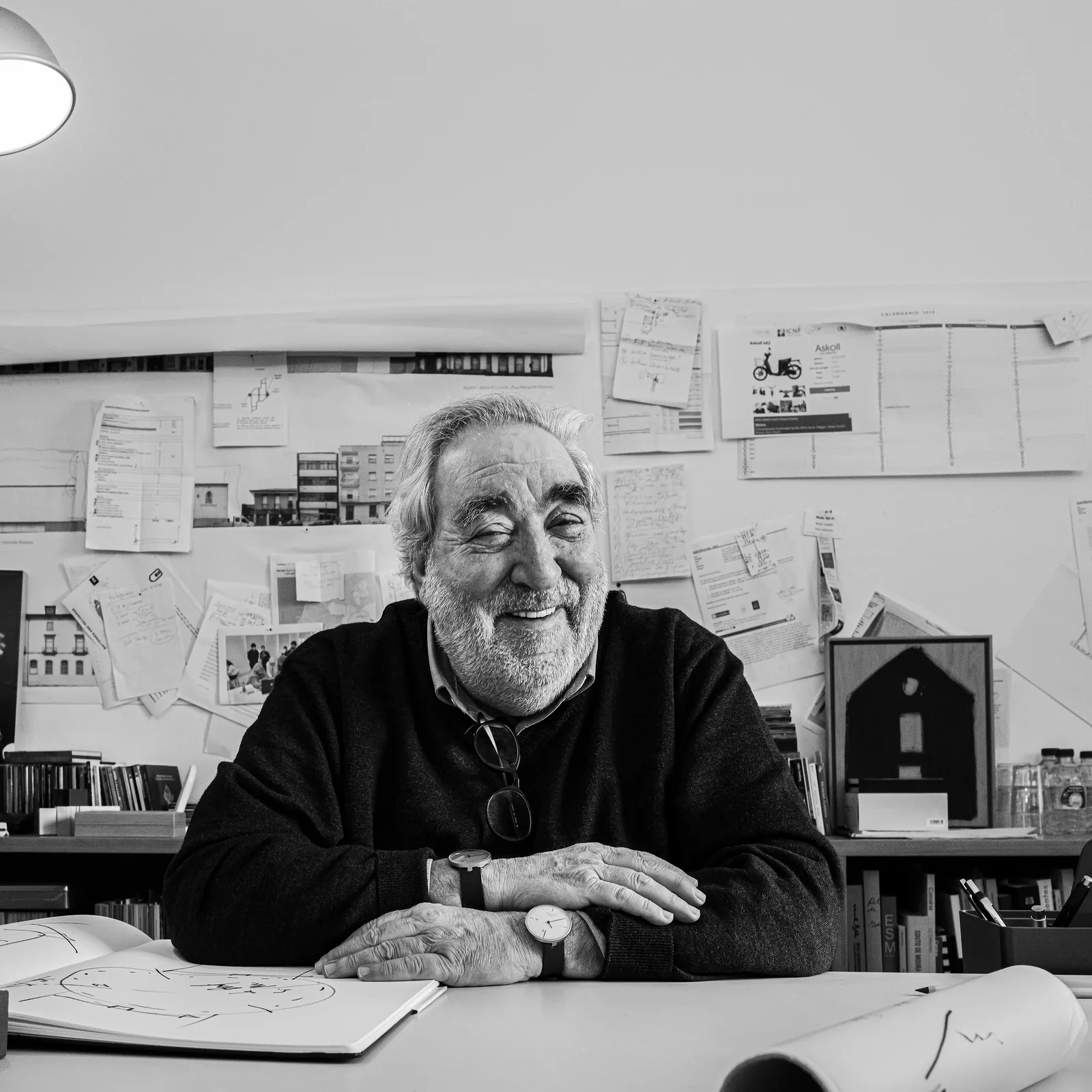
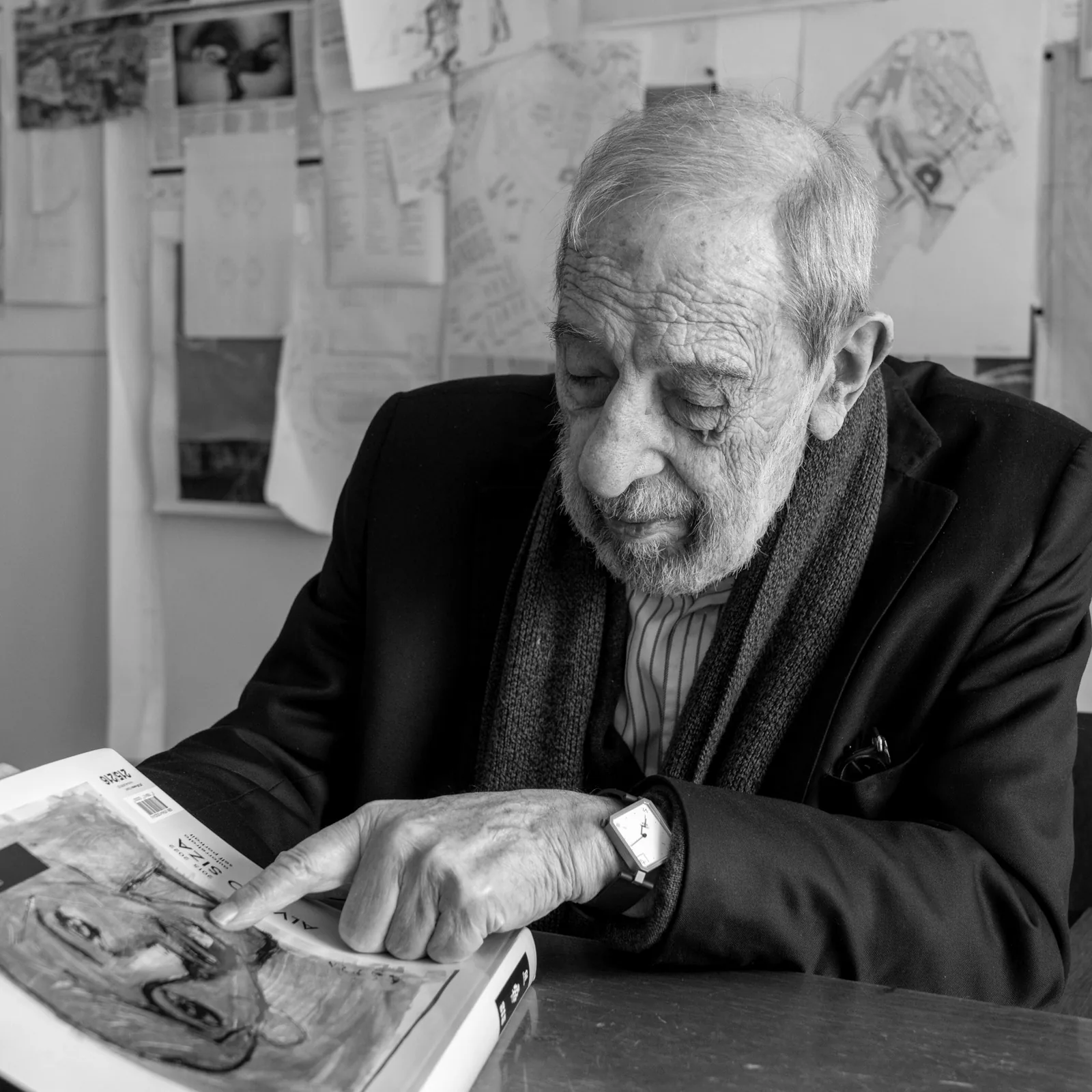
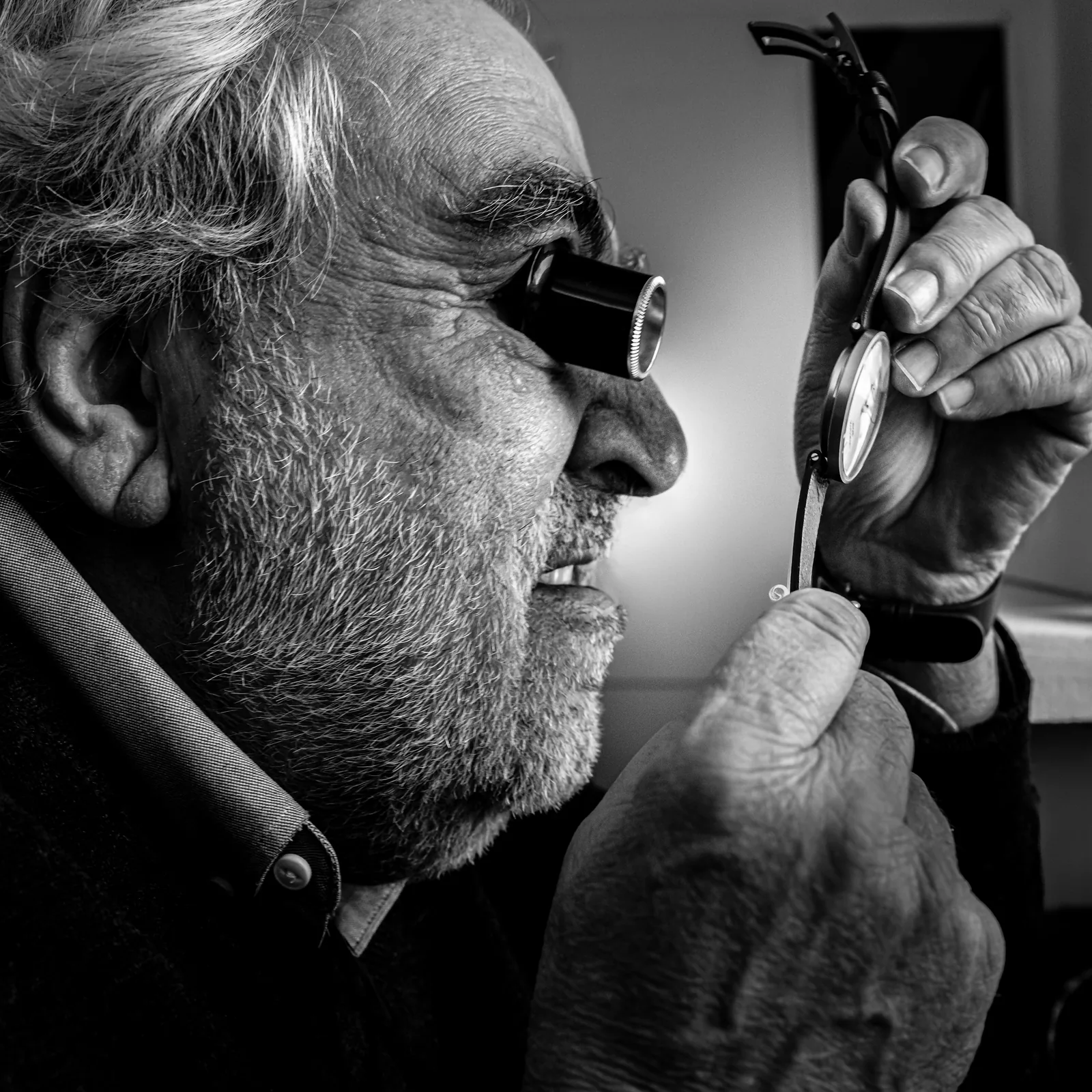
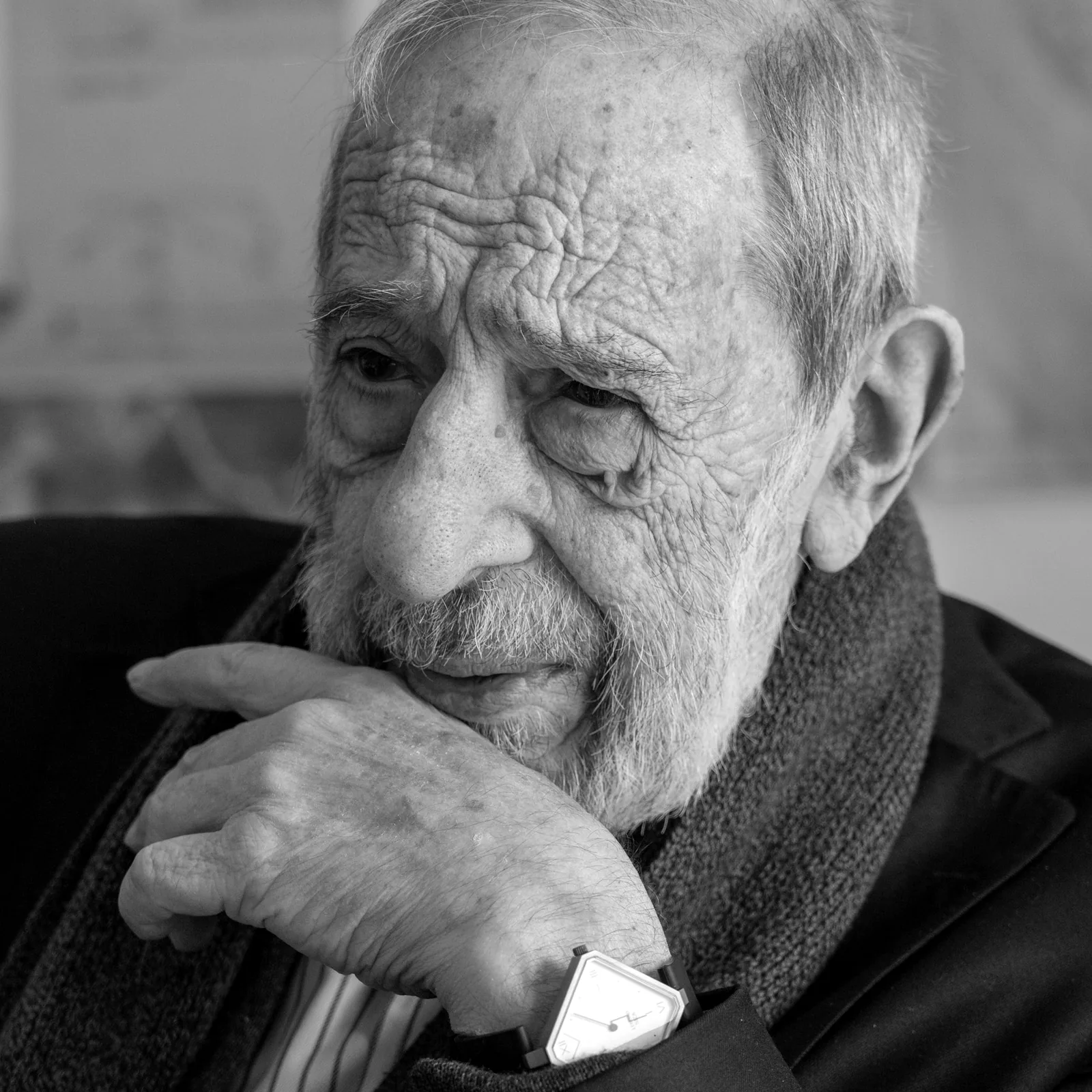

Photography by Fernando Guerra.
Portugal has two Pritzker Prize winners: Álvaro Siza, who received architecture’s highest honour in 1992, and Eduardo Souto de Moura, who followed in 2011. Both trained in Porto, both are rooted in the tradition known as the Escola do Porto, and both are celebrated for a restrained, deeply considered modernism that answers to place, light and material before style. That two laureates should come from the same city, a generation apart and closely linked, is one of the quiet wonders of modern architecture.
| Laureate | Pritzker | Born | Known for |
|---|---|---|---|
| Álvaro Siza | 1992 | Matosinhos, 1933 | Leça Pools, Serralves Museum |
| Eduardo Souto de Moura | 2011 | Porto, 1952 | Braga Stadium, Paula Rego Museum |
Álvaro Siza is the elder of the two, and the architect who put Porto on the world map. Born in Matosinhos in 1933, he built his reputation on works of extraordinary sensitivity: the Leça swimming pools set into the Atlantic rock, the Boa Nova Tea House, and later the Serralves Museum in Porto and the Portuguese Pavilion for Expo 98, with its impossibly thin concrete canopy. The Pritzker jury praised an architecture of clarity and restraint, never loud, always exact. He remains, into his nineties, one of the most quietly influential architects alive.
“Architects don’t invent anything; they transform reality,” Álvaro Siza has said.
Eduardo Souto de Moura is Siza’s junior, his one-time collaborator, and the second Portuguese laureate. Born in Porto in 1952, he worked in Siza’s studio early in his career before establishing his own language of stone, concrete and steel. His Braga Municipal Stadium, carved into a former quarry, and the House of Stories museum for the painter Paula Rego, with its distinctive red pyramidal roofs, show a mind that fuses the rigour of Mies van der Rohe with a Portuguese feel for landscape. When he won the Pritzker in 2011, he was widely described as an heir to that miesian tradition.
Both laureates were shaped by the Escola do Porto and a single teacher, Fernando Távora. Távora, born in 1923, was the architect who reconciled international modernism with Portuguese building traditions, and he taught both men: Siza worked alongside him, and Souto de Moura studied under both Távora and Siza. The result is a clear line of descent, master to master, that gives Porto its remarkable density of talent. It is a lineage built not on signature style but on a shared discipline: look hard at the site, respect the material, remove the unnecessary.
It is fair to ask how a single provincial city produced two of the world’s most honoured architects. Part of the answer is the school itself, small, rigorous and unusually continuous, where teaching passes directly from one generation to the next rather than through fashion. Part is Porto’s own character: a working city of granite and river light, far from the capital, where architecture had to be practical, economical and rooted in place. And part is simply the example set by Siza, whose international success in the 1980s proved to a whole generation that a Portuguese architect working quietly in the north could be taken seriously anywhere. Souto de Moura followed that path, and others are following still. Porto has become, improbably, one of the essential addresses in modern architecture.
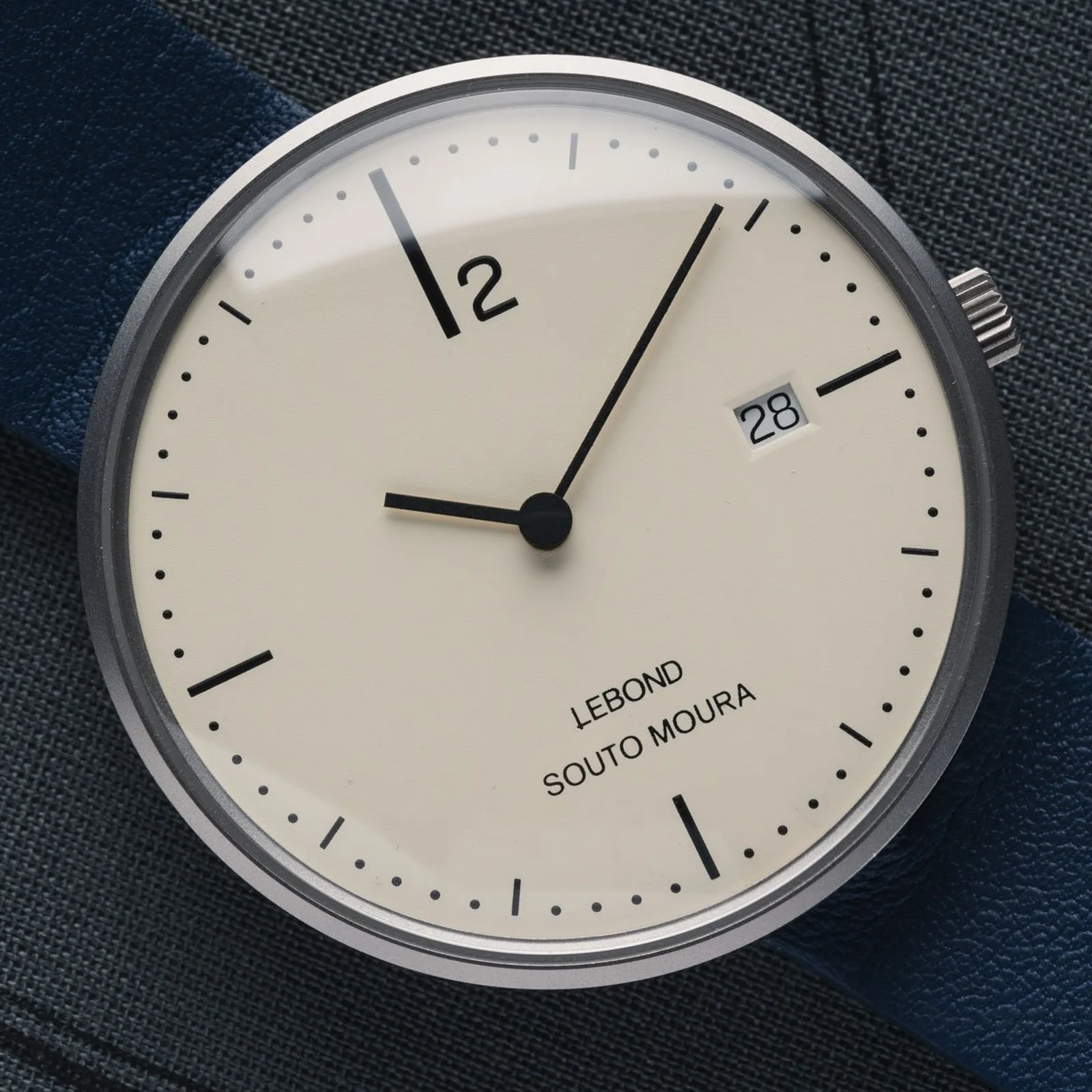
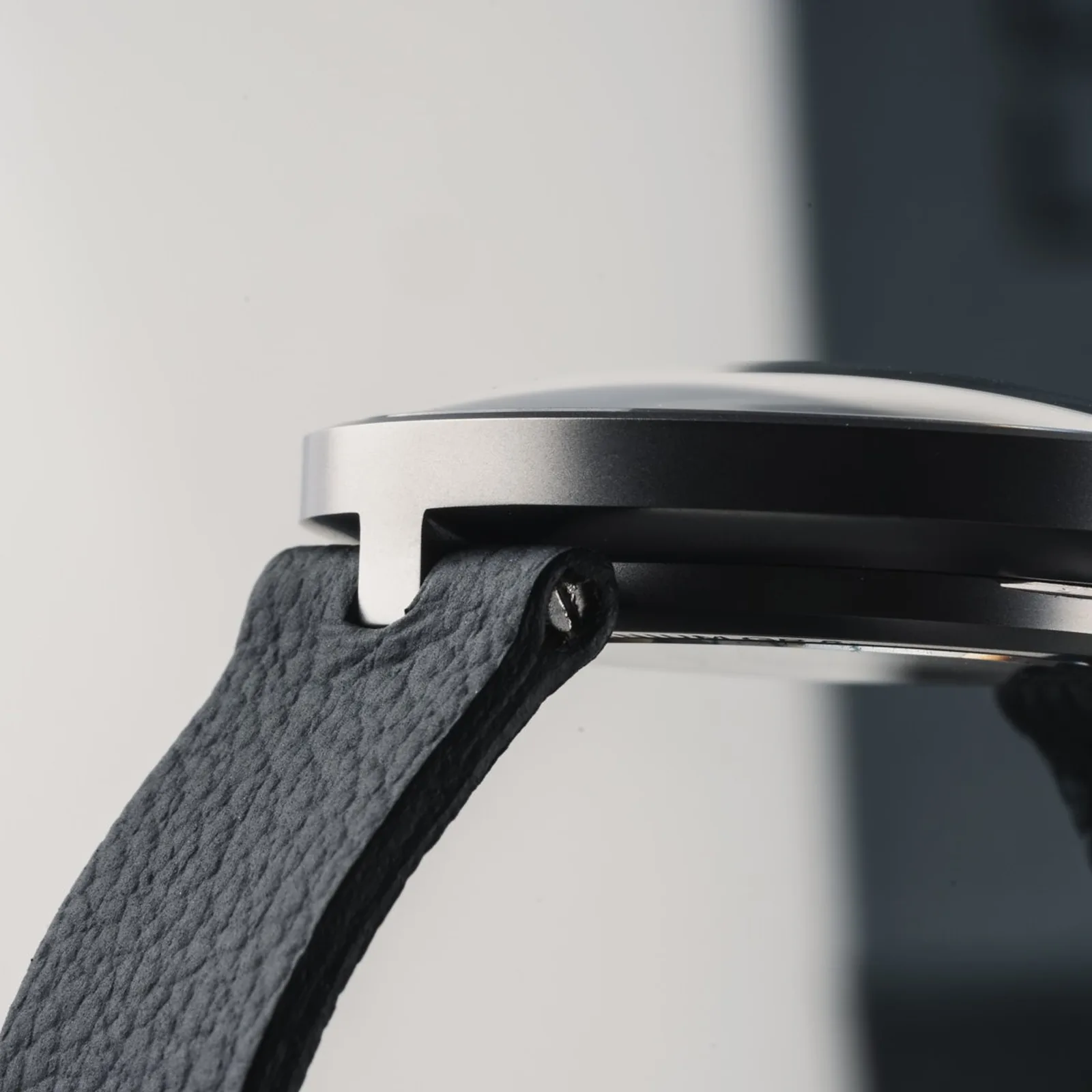
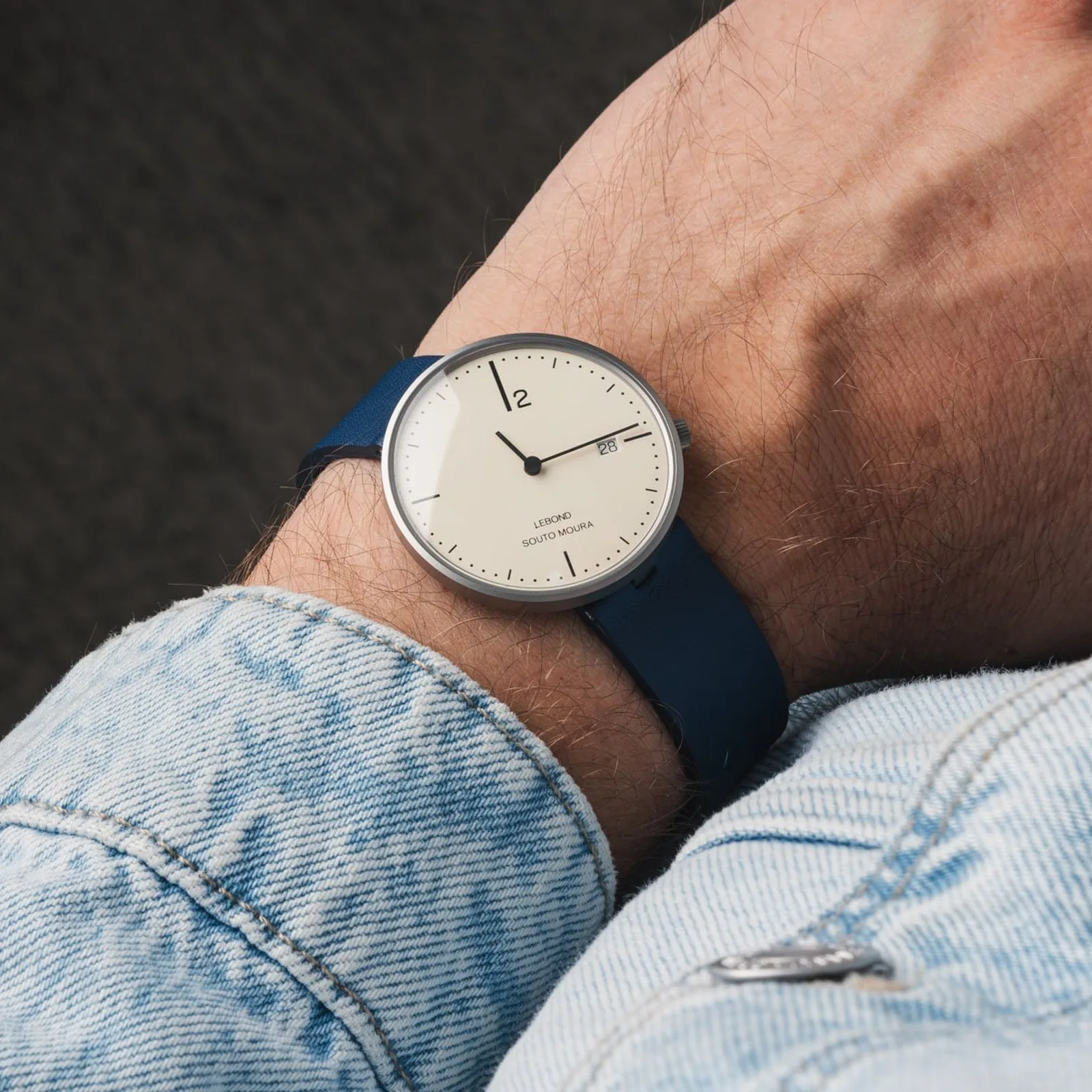
That same discipline is what Lebond sought when it asked these architects to design a watch. The Lebond Siza and the Lebond Souto Moura are, in effect, small buildings for the wrist, each carrying its author’s convictions into titanium: honest material, clear structure, nothing decorative. To see how two Pritzker laureates think at the scale of a watch, meet the architects behind Lebond.
Two Portuguese architects have won the Pritzker Prize: Álvaro Siza in 1992 and Eduardo Souto de Moura in 2011. Both are from Porto and are associated with the Escola do Porto.
The Escola do Porto, or Porto School, is a Portuguese architectural tradition centred on the city’s school of architecture. It values context, natural light and honest materials over signature style, and it produced both of Portugal’s Pritzker laureates.
Yes. Eduardo Souto de Moura worked in Álvaro Siza’s studio early in his career, and both were taught within the circle of the architect Fernando Távora. They represent two successive generations of the same Porto tradition.
Yes. Both architects worked with Lebond on a Swiss titanium watch, the Lebond Siza and the Lebond Souto Moura, applying the same principles of restraint and material honesty that define their buildings.