

COMPLIMENTARY WORLDWIDE SHIPPING
Photography by Mainspring
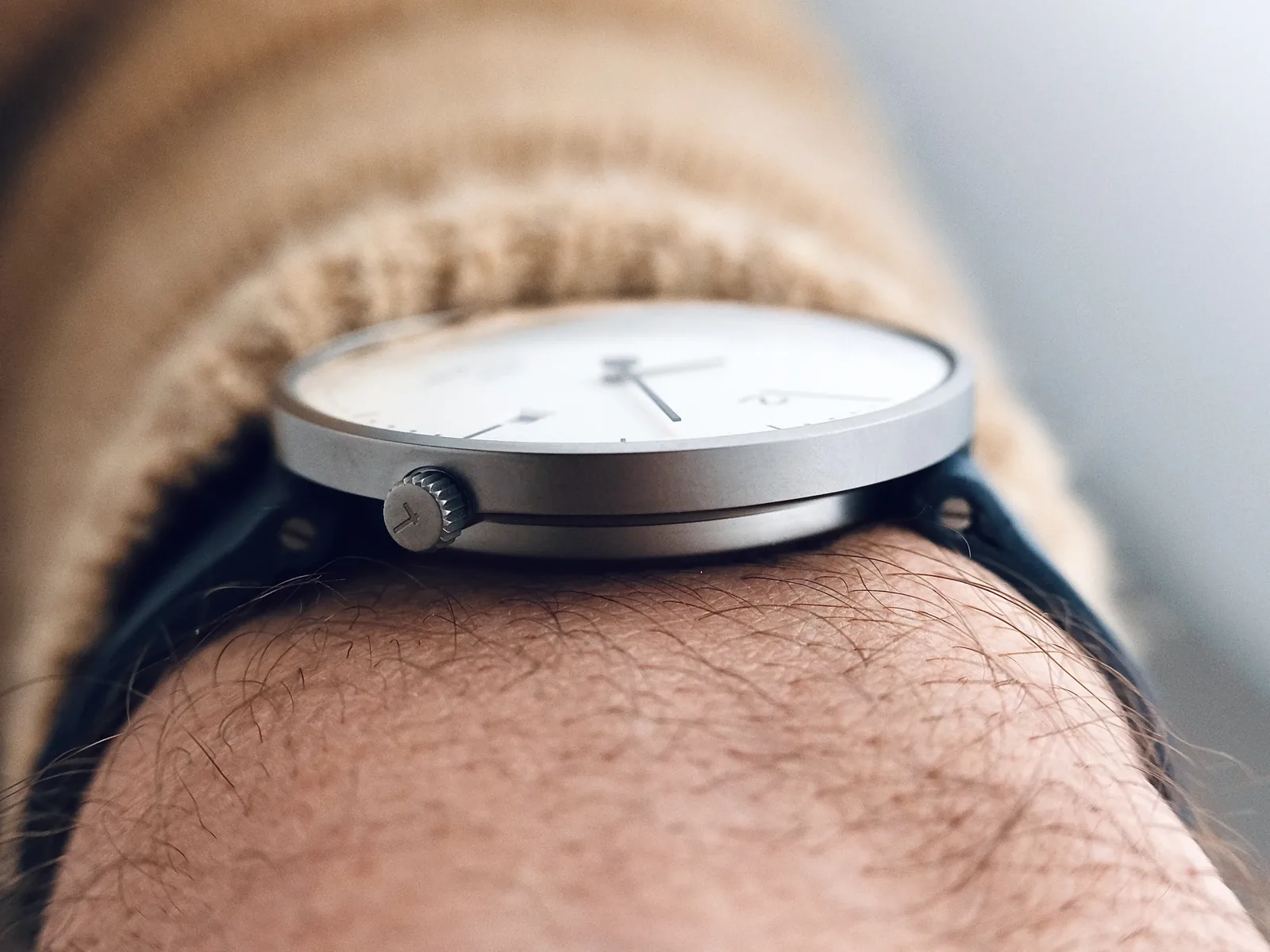
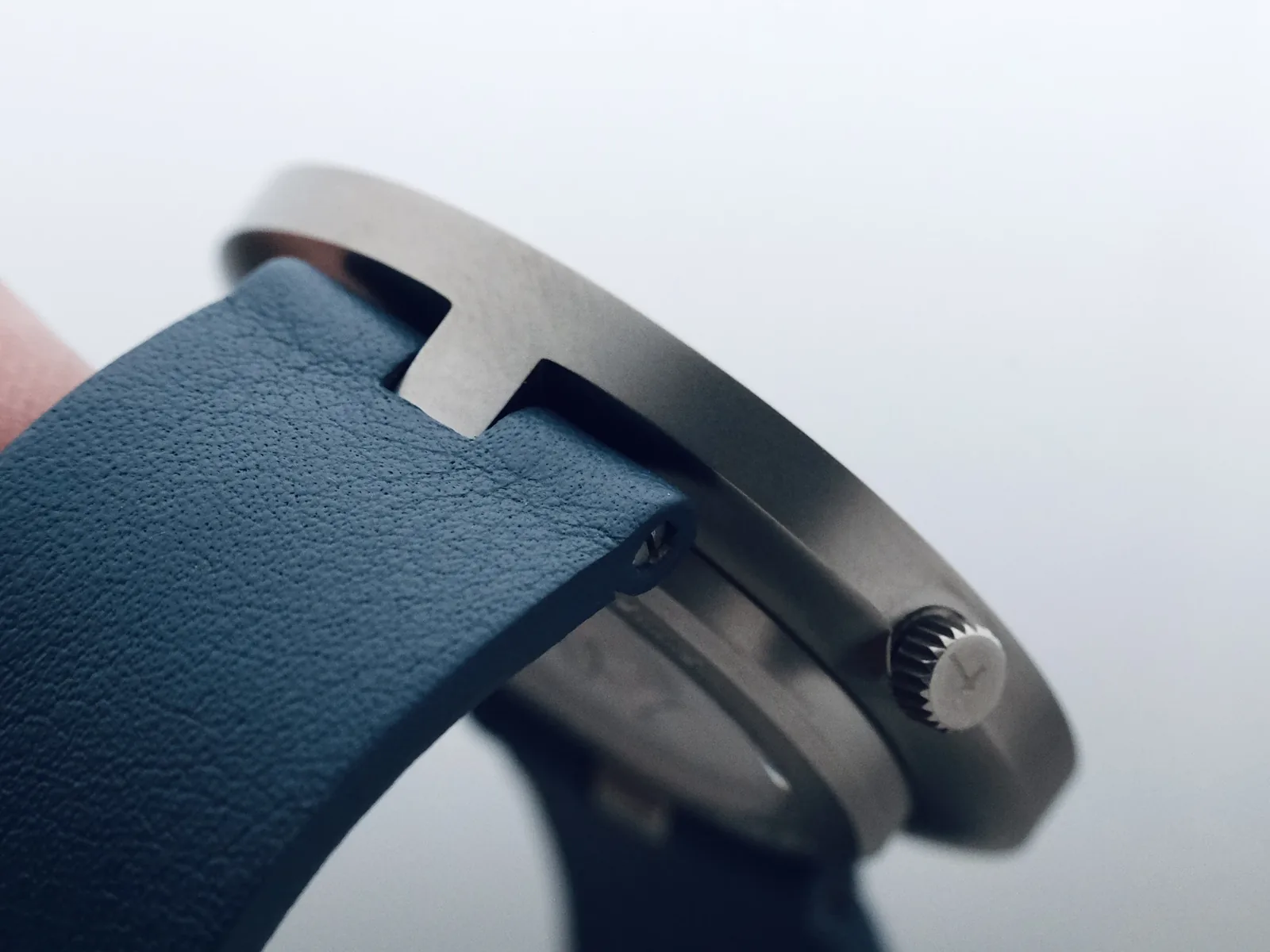
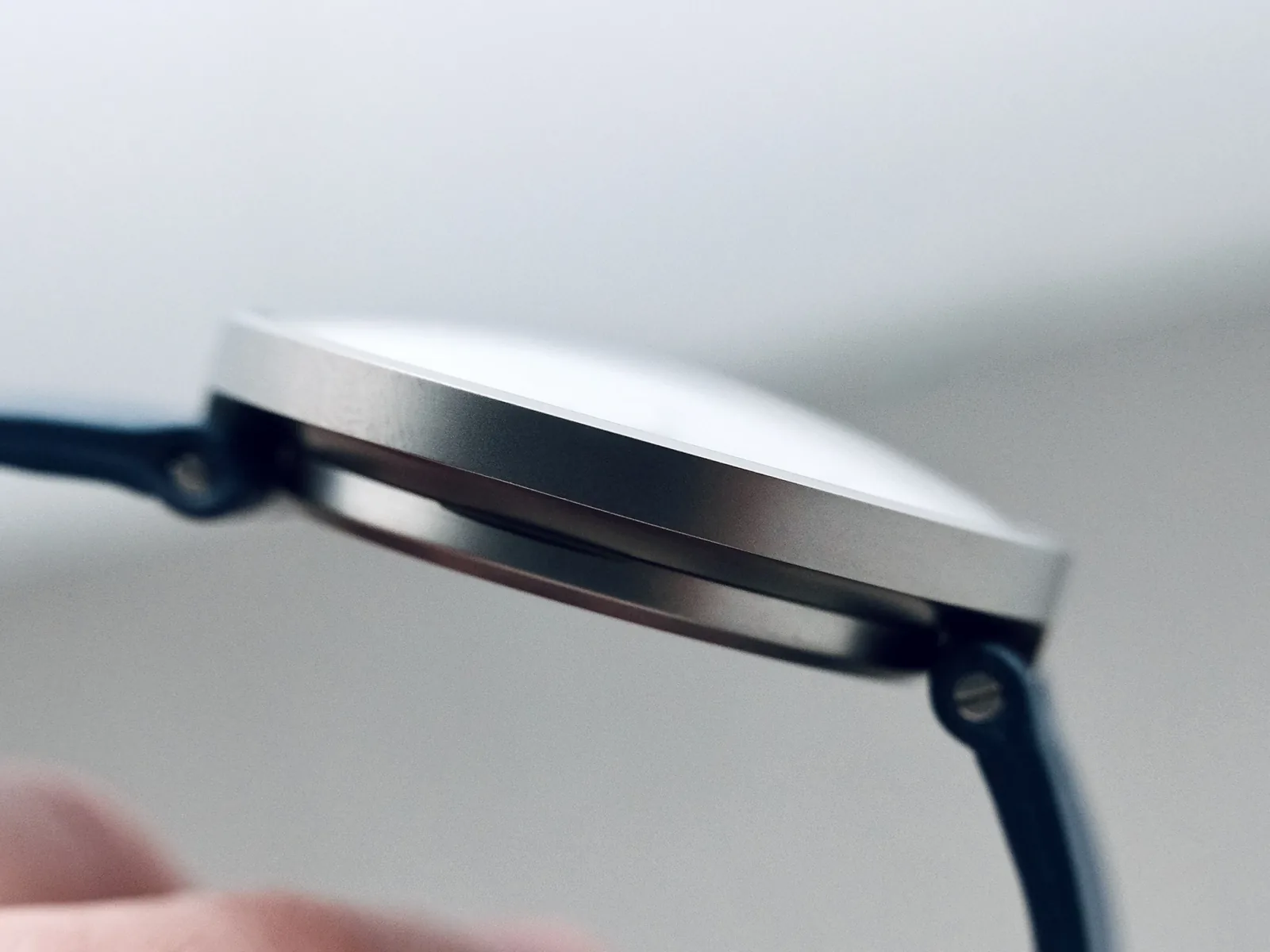
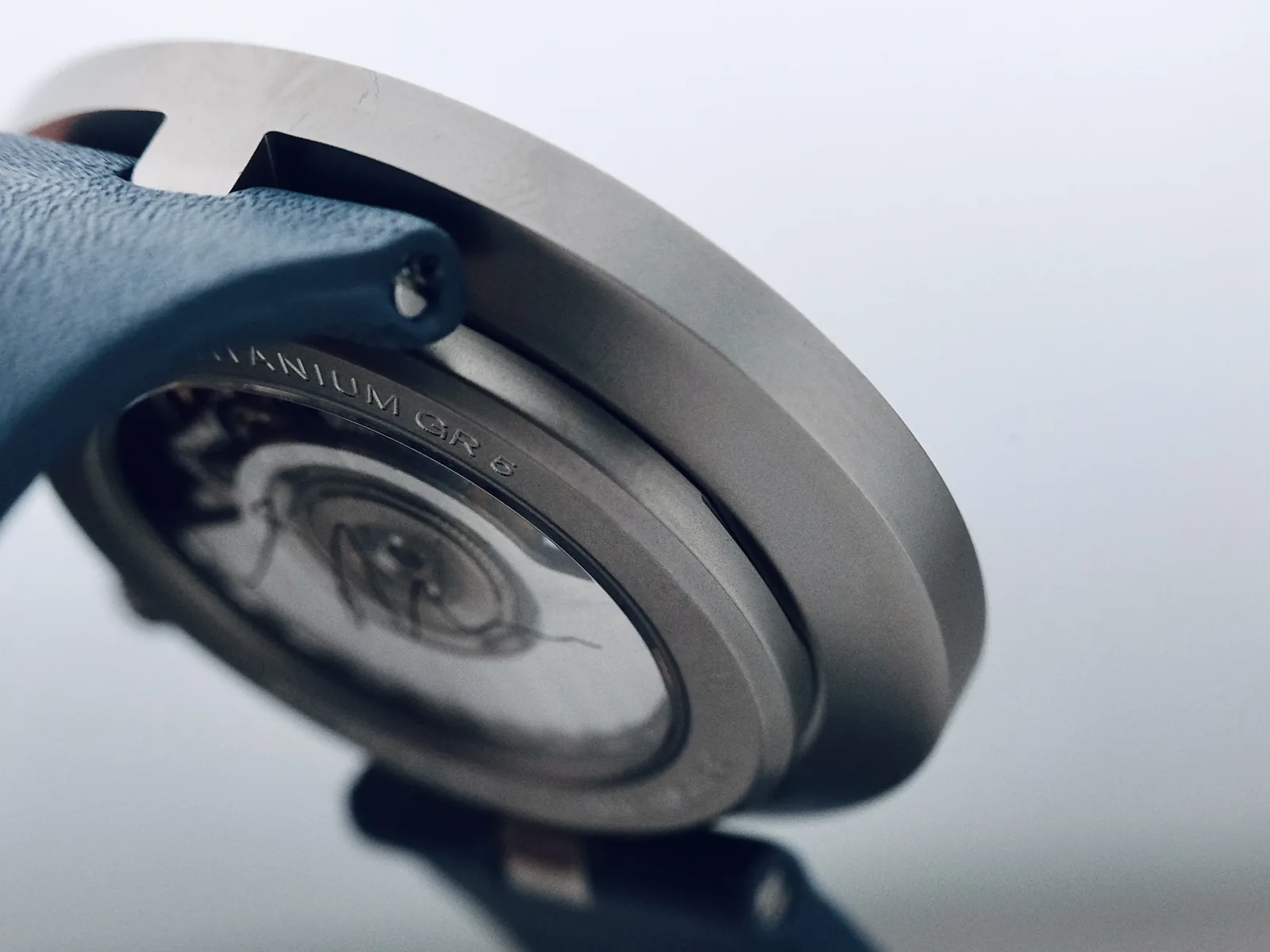
The main titanium watch case benefits are weight, comfort and skin friendliness: a titanium case is around 40 percent lighter than steel, contains no nickel, and resists corrosion in everyday and marine conditions. Those qualities are exactly why Lebond builds every watch in Swiss grade 5 titanium, the same aerospace alloy used where strength matters but mass does not.
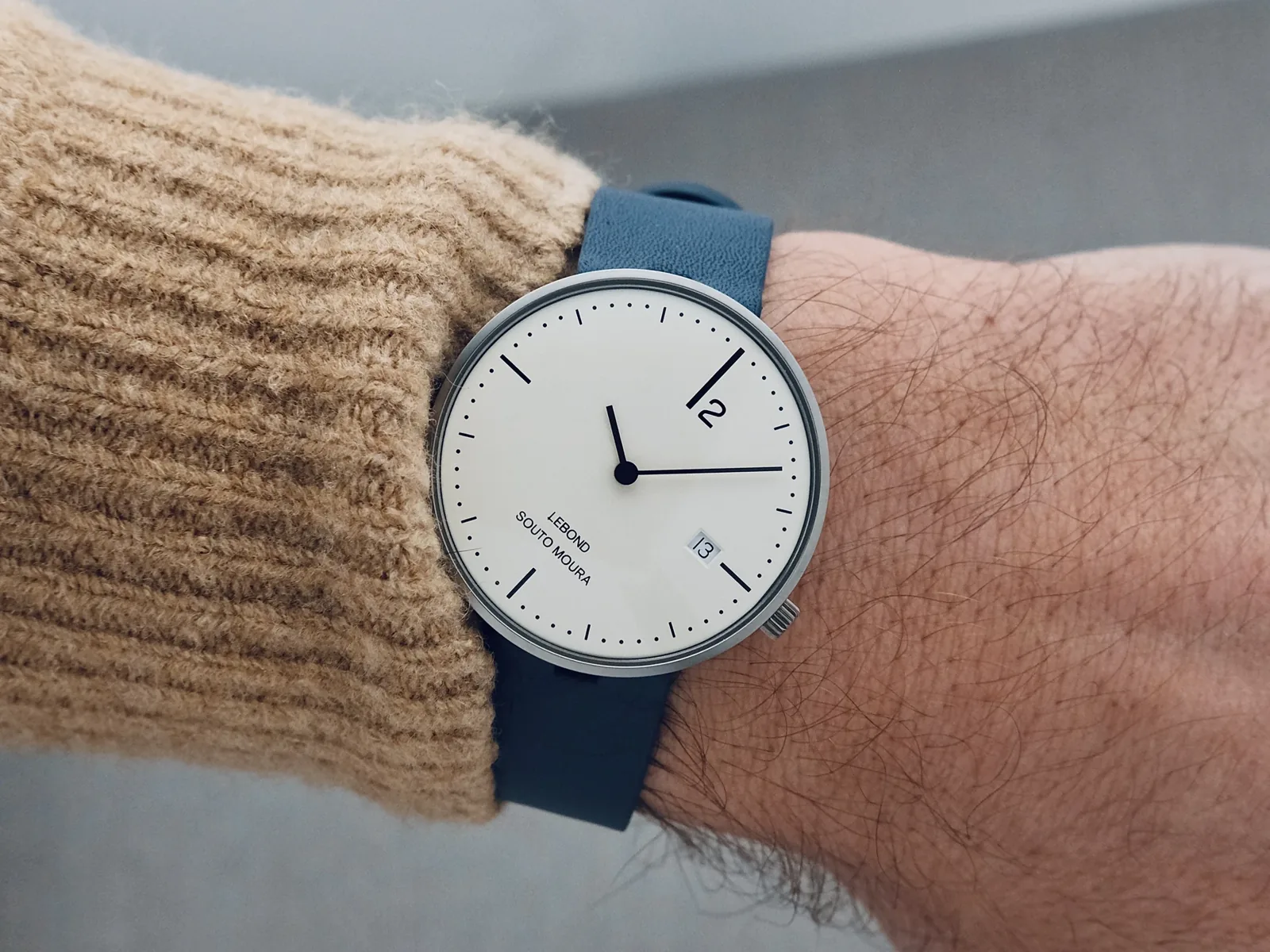
A titanium watch case is lighter, kinder to the skin and more corrosion resistant than a comparable steel case. In practice that means a watch you stop noticing on the wrist, which is the point of good design. The headline advantages are:
Against 316L stainless steel, the watch industry’s default, grade 5 titanium wins on weight, skin contact and corrosion, while steel keeps an edge on brightness, refinishing and cost. The comparison below sets the two side by side.
| Property | Grade 5 titanium | 316L stainless steel |
|---|---|---|
| Weight | Around 40% lighter | Heavier (benchmark) |
| Skin contact | Nickel free, hypoallergenic | Contains nickel |
| Corrosion | Excellent | Very good |
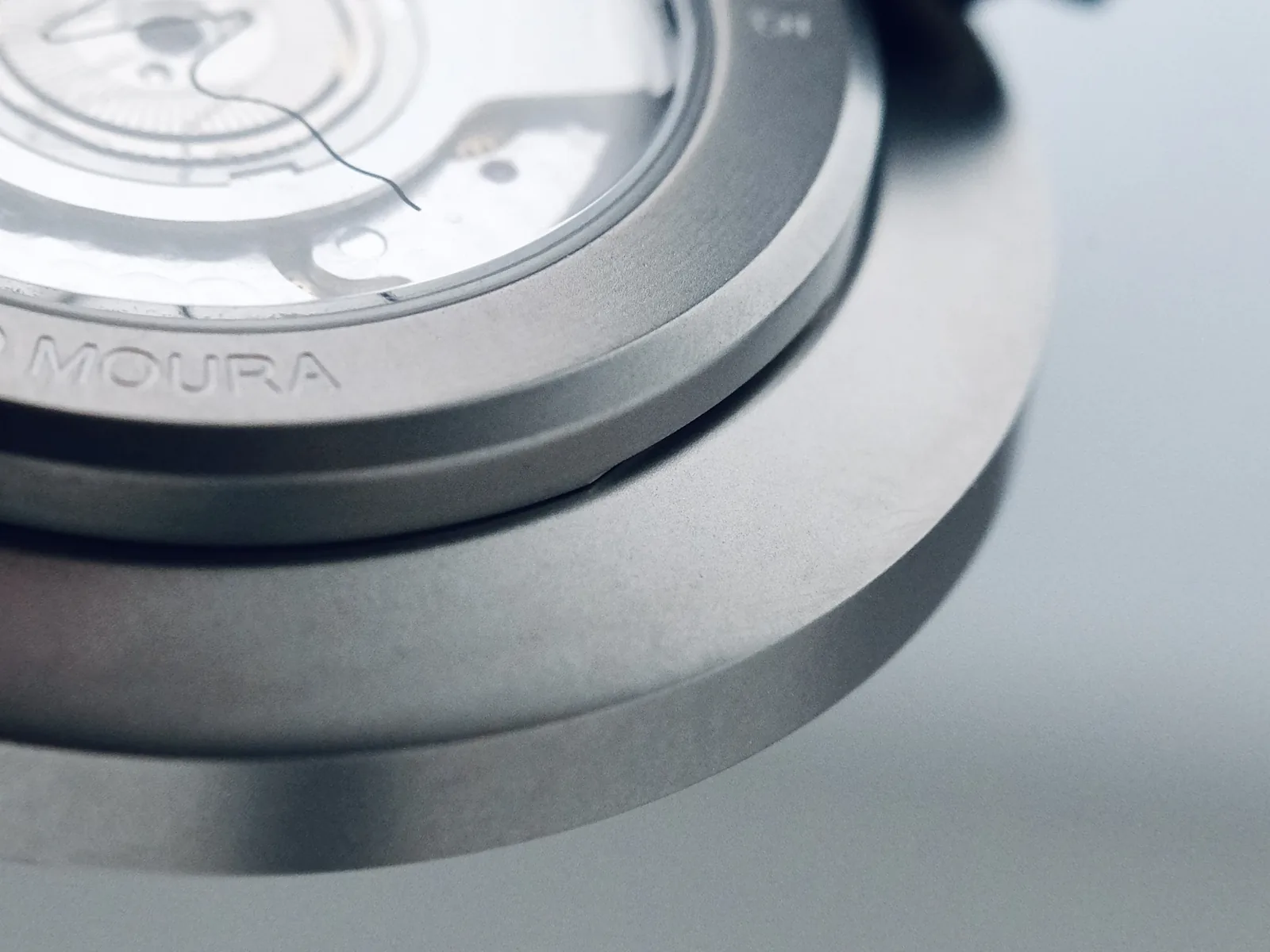
| Surface character | Matte, hides marks | Bright, shows hairlines |
| Refinishing | Harder | Easy |
| Cost to manufacture | Higher | Lower |
Titanium is not a free lunch, and it is worth saying so. The metal is harder to machine, which raises production cost, and a deep scratch is more awkward to polish out than on steel. Lower grades of titanium also mark more easily, though grade 5 (the alloy Lebond uses) is harder than 316L and resolves most of that concern. What you trade in shine and easy refinishing, you gain in lightness, comfort and a quieter, more material honest surface.
Not all titanium is equal, and the grade matters more than the name on the dial. Commercially pure titanium, often grade 2, is light and corrosion resistant but relatively soft, which is the source of titanium’s old reputation for marking easily. Grade 5, the aerospace alloy Ti-6Al-4V, blends titanium with small amounts of aluminium and vanadium to gain real hardness and strength while keeping the low weight, which is why it sits at the quality end of the market. When a maker simply says “titanium” without a grade, it is worth asking which one.
Caring for a titanium case is straightforward. Rinse it with fresh water after contact with salt or sweat, and wipe it with a soft cloth; the metal’s corrosion resistance does the rest. Because its finish is matte rather than mirror, light surface marks blend in and rarely need attention, though a deeper scratch is best left to a professional, since titanium is harder to refinish than steel. Treated this way, a grade 5 case keeps its quiet, architectural character for decades.
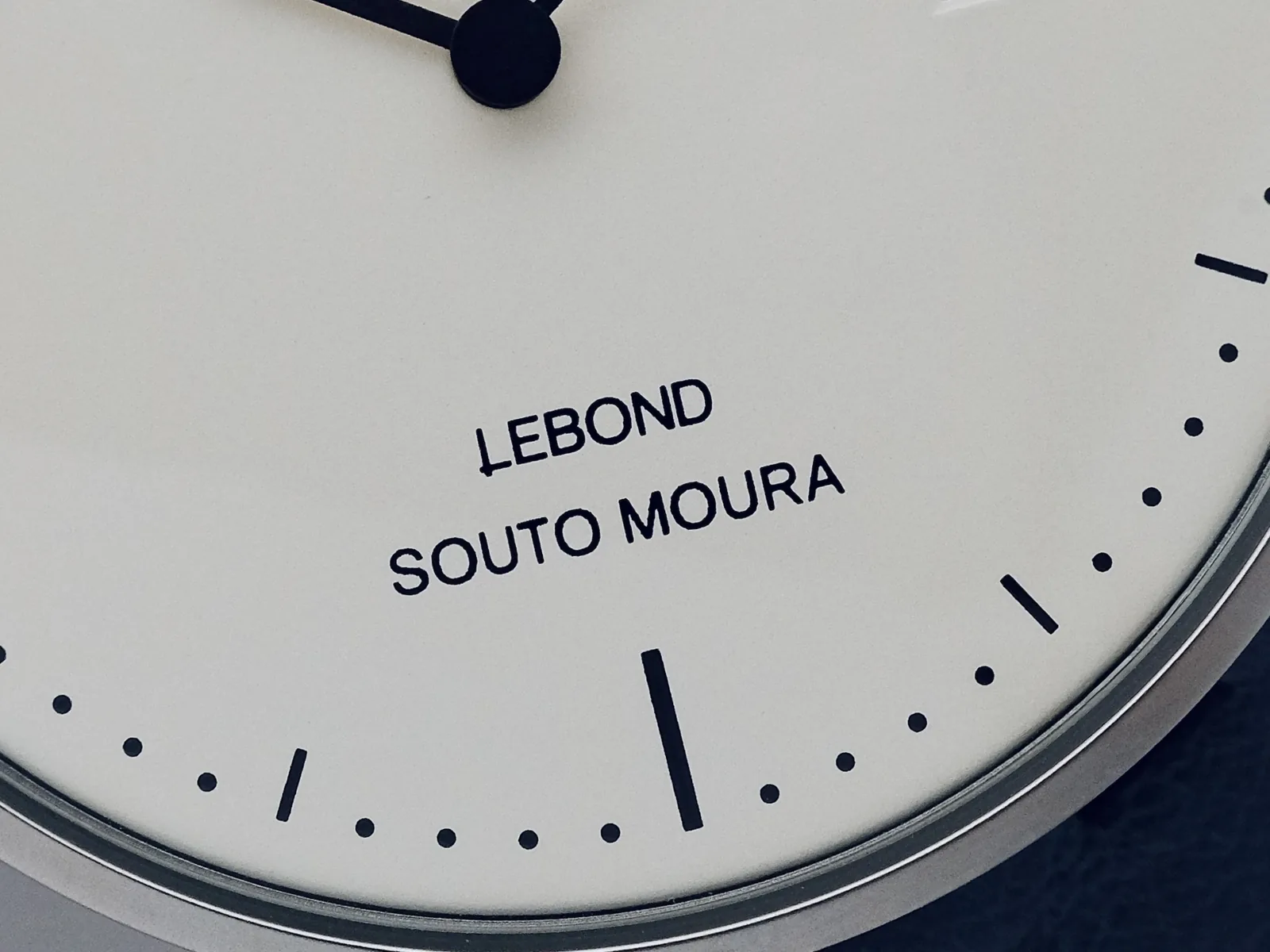
Lebond chooses grade 5 titanium because it matches the brand’s architectural values: light on the wrist, honest in finish, substantial in design. For watches conceived by architects, the case is not jewellery but structure, and titanium lets that structure stay legible and restrained. See how the material reads across the Lebond collection, including the Lebond Siza.
It depends on what you value. Titanium is lighter, hypoallergenic and more corrosion resistant, while steel is brighter, easier to refinish and cheaper. For all day comfort and sensitive skin, a titanium watch case has clear benefits.
Yes. Grade 5 titanium contains no nickel, the metal responsible for most skin allergies, and titanium is widely used in medical implants for the same reason. Most stainless steel alloys do contain nickel.
Grade 5 titanium is harder than 316L stainless steel and performs comparably against scratches. When it does mark, its matte grey surface hides the scuff far better than the bright hairlines that show on polished steel.
For a watch worn daily, yes. Grade 5 (Ti-6Al-4V) costs more to machine, but it combines aerospace strength with low weight and resolves the softness associated with cheaper titanium grades.