


Photography by William Mulvihill
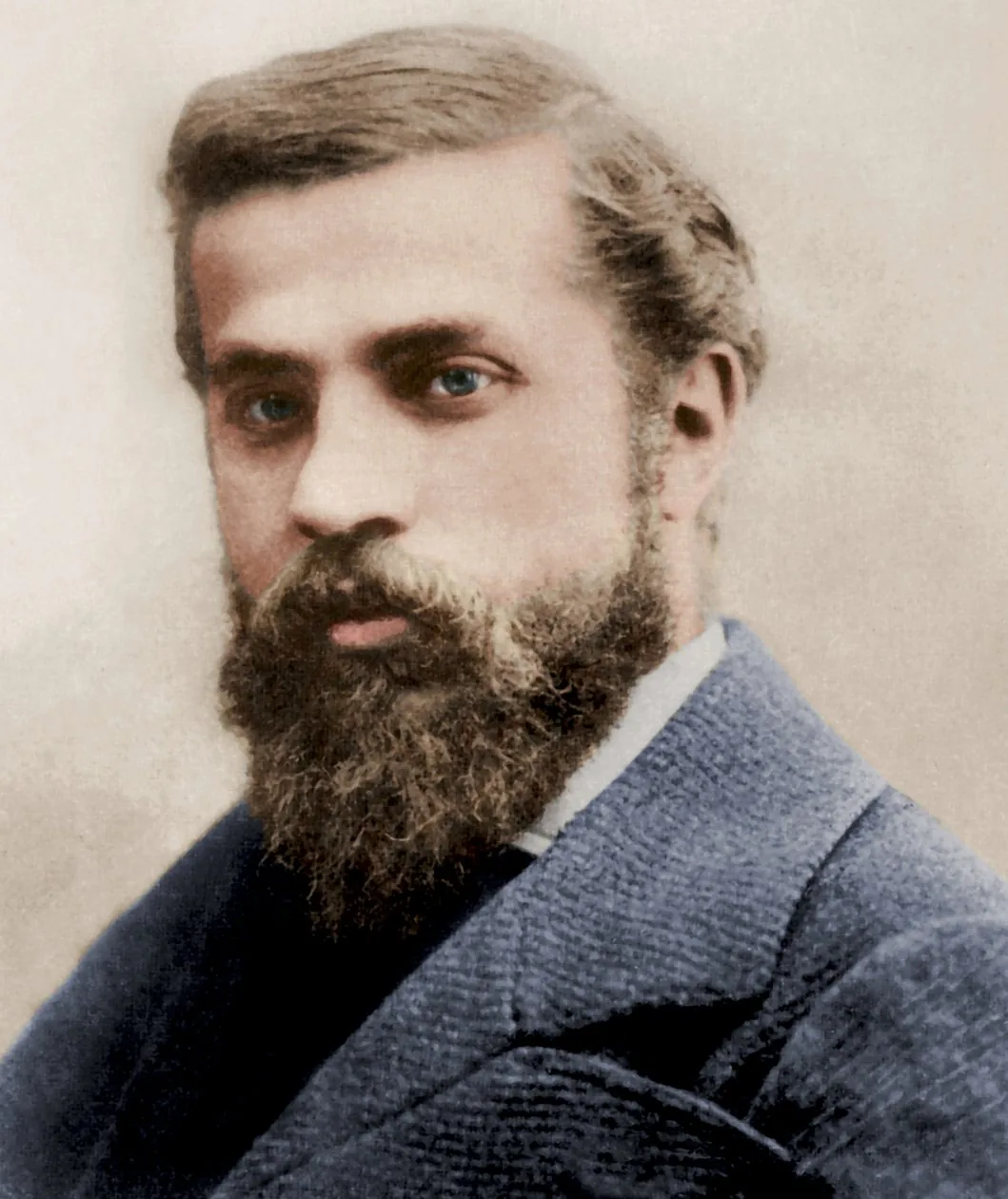
The Gaudí Hotel Attraction was a colossal skyscraper Antoni Gaudí imagined for New York in 1908, a building never realised yet bold enough to outlast its own century. A hundred years after his death in 1926, it gives the Lebond Attraction its name and its spirit: architecture as pure, soaring ambition, brought down to the scale of the wrist.
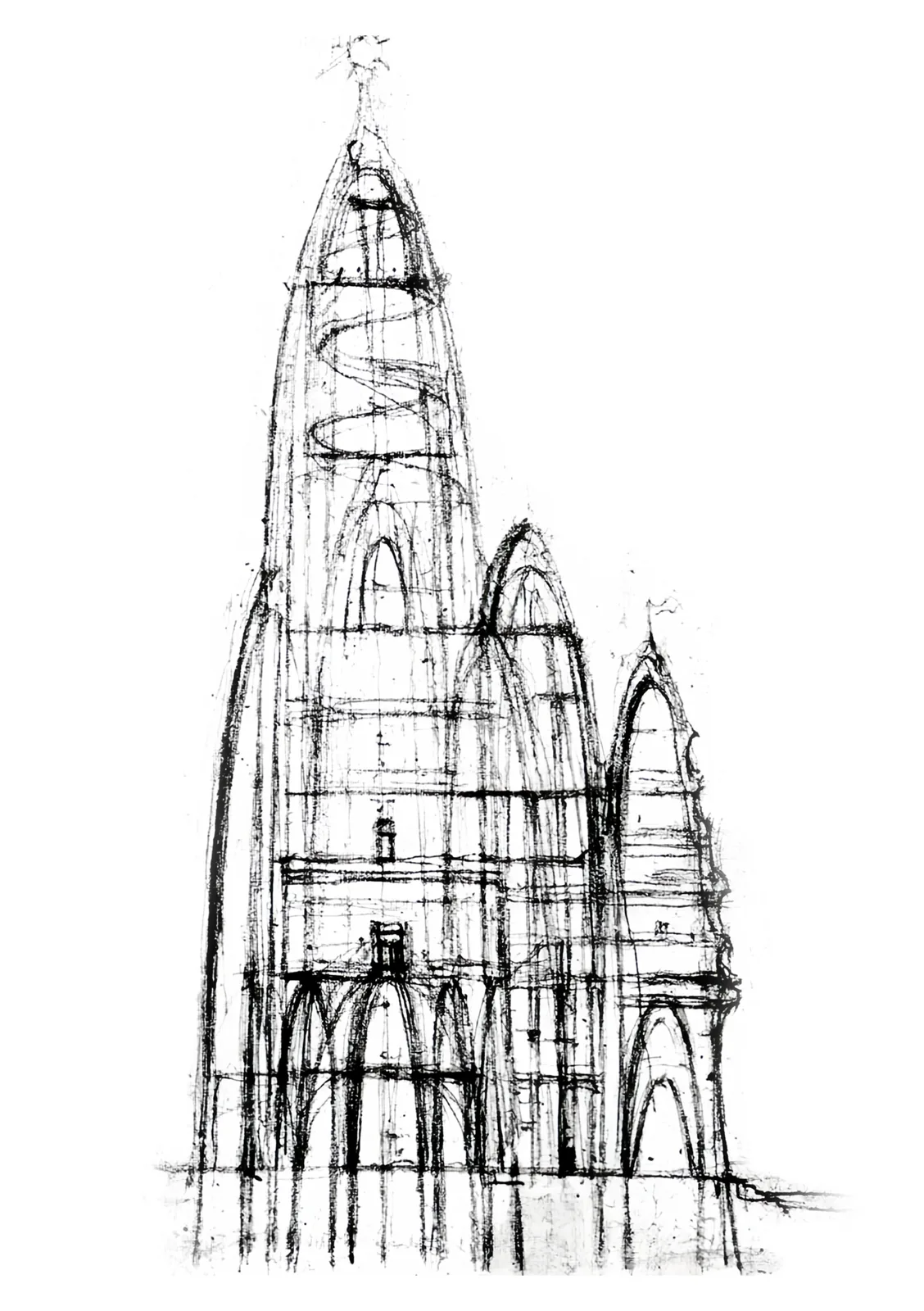
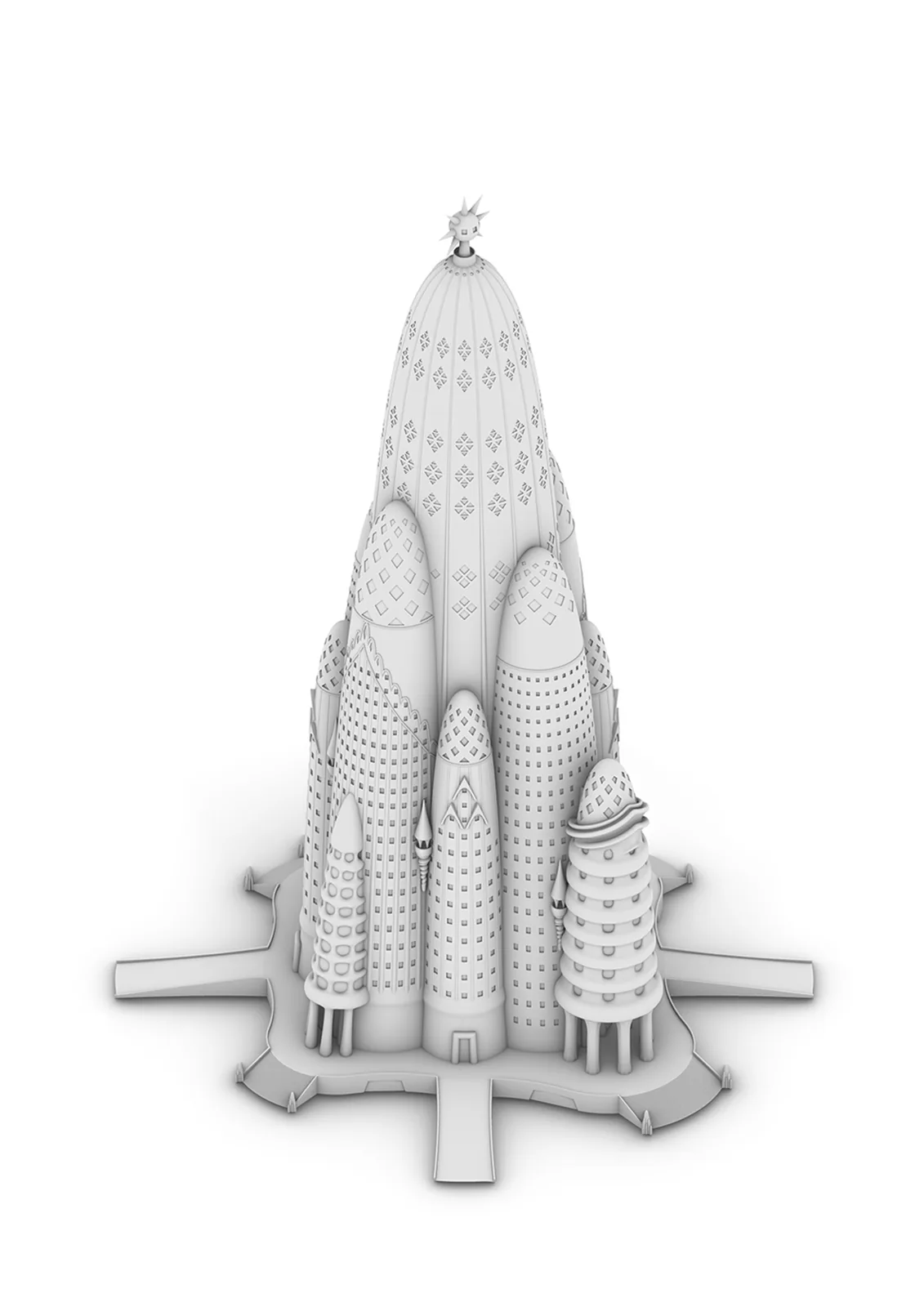
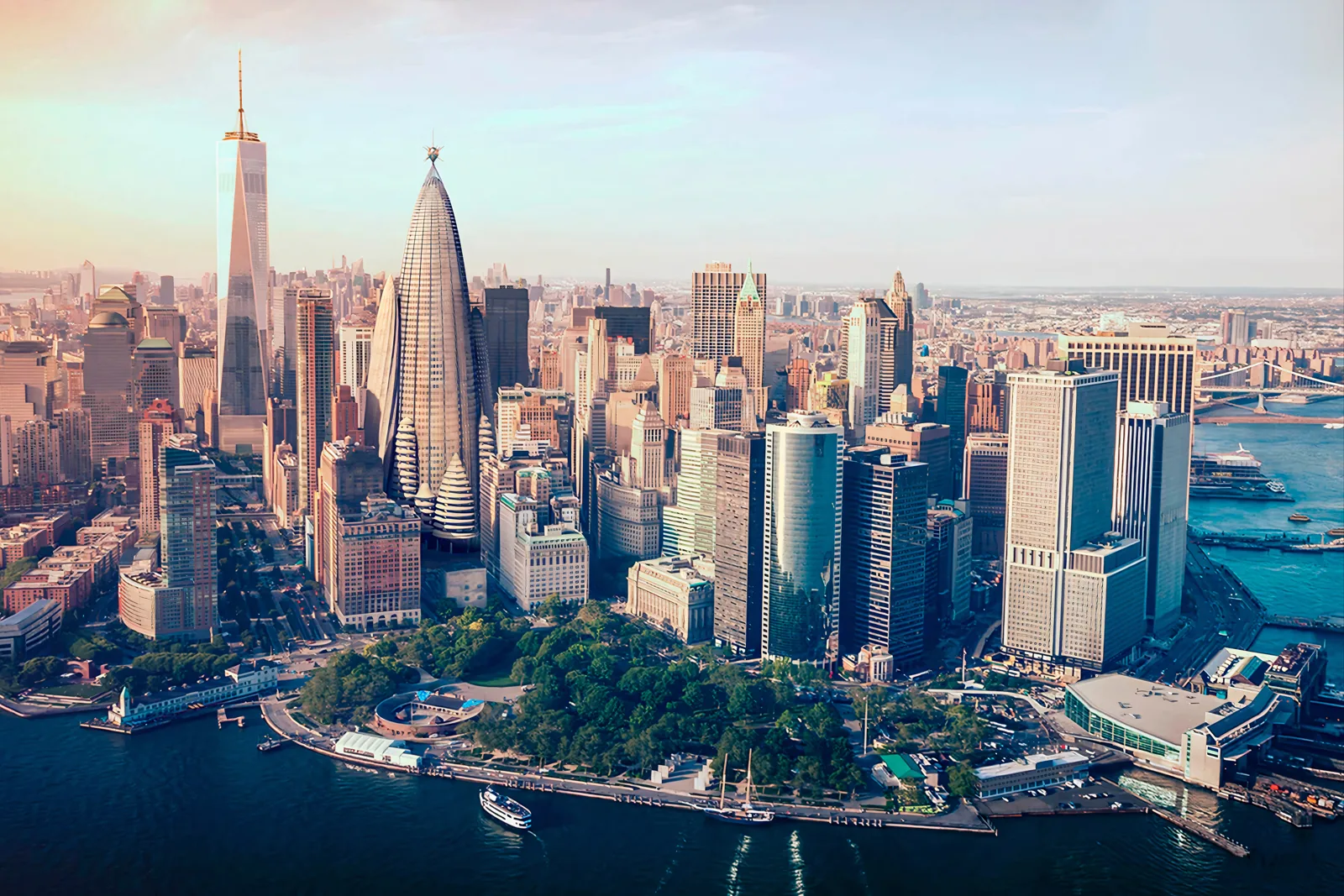
The Hotel Attraction was a proposal by Antoni Gaudí for a vast skyscraper in Lower Manhattan, commissioned in 1908 and never built. At a planned 360 metres, around 1,180 feet, it would have towered over every building of its era, a cluster of rounded, bullet-like cones recalling the spires of the Sagrada Família gathered into a single mass. Many at the time judged its futuristic form impossible to build, and the project slipped into obscurity.
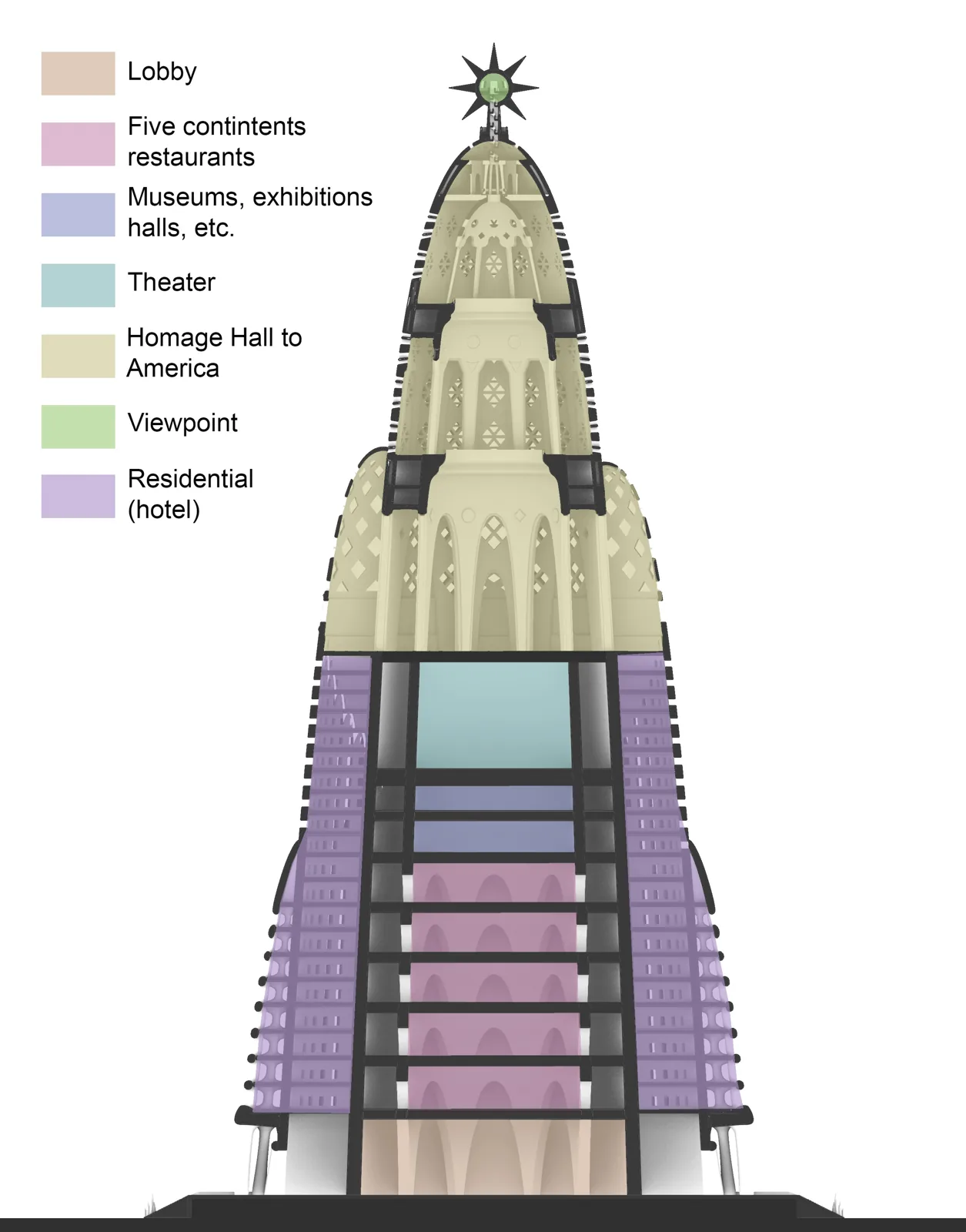
Gaudí conceived the tower as a small vertical city. A central body on a circular plan rose toward a panoramic lookout known as the Space Tower, while the lower volumes held a hotel, restaurants, a theatre, exhibition halls and art galleries. The key facts, as far as the surviving drawings tell us:
| Detail | Value |
|---|---|
| Proposed | 1908 |
| Location | Lower Manhattan, New York |
| Height | 360 m (about 1,180 ft) |
| Program | Hotel, restaurants, theatre, galleries |
| Plan | Central circular body, 8 lateral volumes, 4 entrances |
| Top | Panoramic Space Tower lookout |
| Status | Unbuilt; drawings resurfaced in 1956 |
The proposal remained almost unknown until 1956, when Joan Matamala published an account titled “When the New World called Gaudí”. Decades later, the drawings were even floated as inspiration for rebuilding at Ground Zero, a measure of how far ahead of its time the design had been.
Why was the Hotel Attraction never built? The simplest answer is that the world had not caught up with it. In 1908 the technology and the appetite for a 360-metre tower of clustered parabolic cones did not yet exist, and the commission, known mostly through second-hand accounts, may never have been firm. Yet that is exactly what makes it compelling: architecture as pure proposition, freed from the compromises of construction. The drawings show a Gaudí thinking at the scale of a skyline, applying the same natural geometry he used on a Barcelona rooftop to a building that would have redrawn Manhattan. Unbuilt, it became something rarer than a landmark, an idea that keeps inviting new interpretations, including one made in titanium.
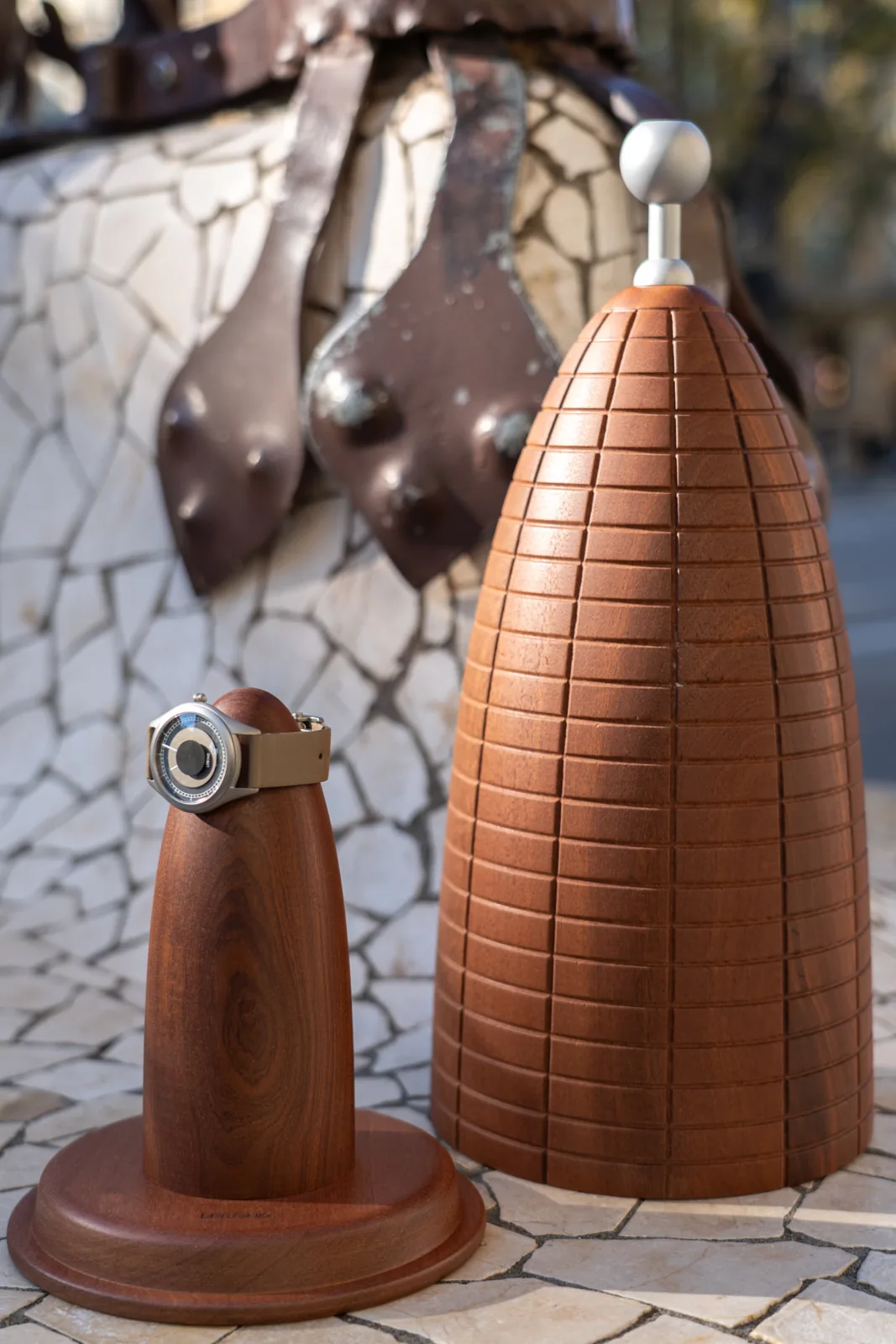
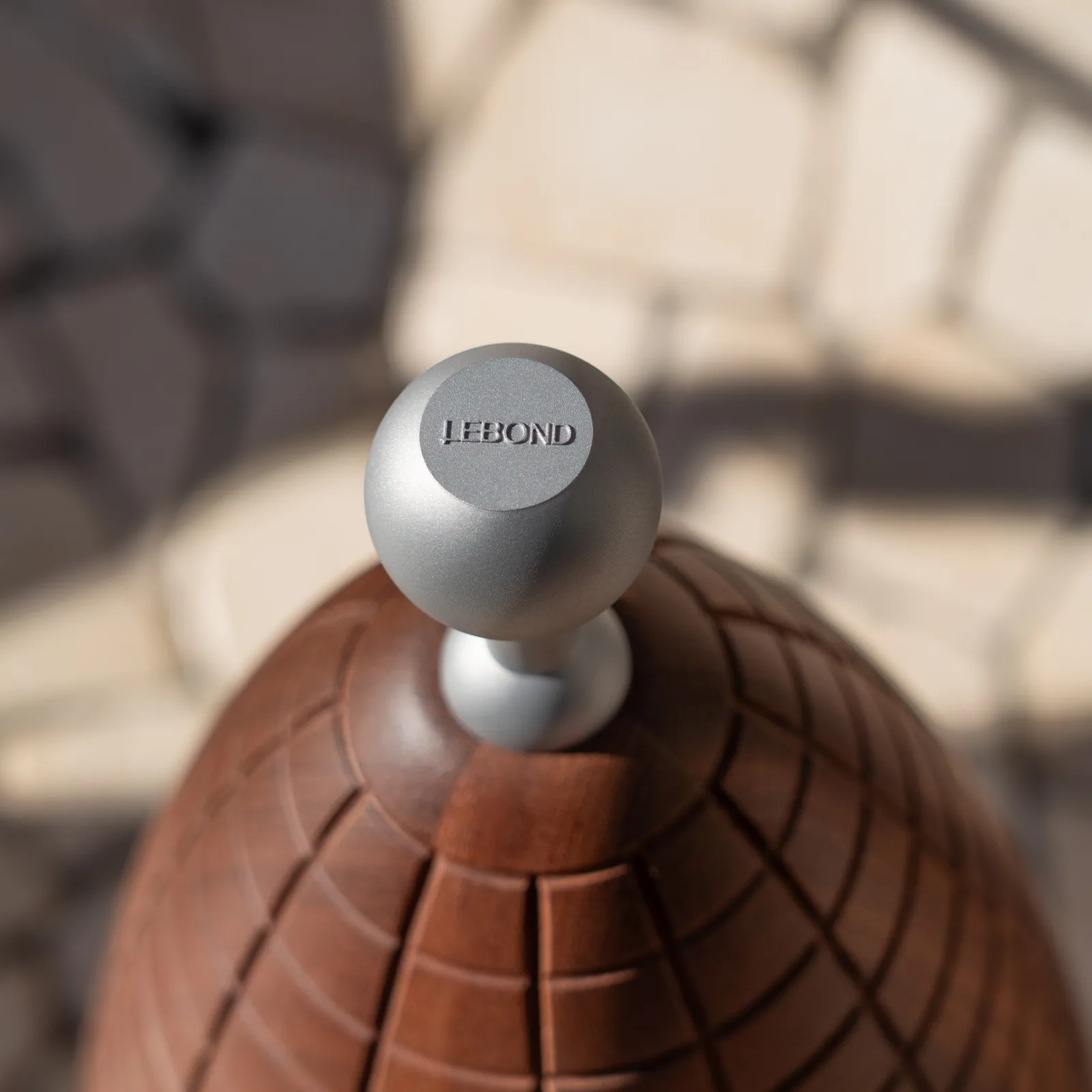
The Lebond Attraction carries that unbuilt tower into the present. Made in Swiss titanium and released to mark the centenary of Gaudí’s death in 1926, it is the expressive counterpoint to the brand’s more rational designs, where Álvaro Siza and Eduardo Souto de Moura meet the Catalan visionary. The watch does not copy Gaudí’s ornament; it distils his ambition, the same instinct that drew a 360-metre tower for a city that was not ready for it. See how the idea sits within the wider collection of Lebond watches.
The Hotel Attraction was an unbuilt skyscraper Antoni Gaudí proposed for Lower Manhattan in 1908. Planned at around 360 metres, it would have been a vertical city of hotel, restaurants, theatre and galleries, crowned by a panoramic lookout.
No. The Hotel Attraction was never built and survives only as drawings, which remained largely unknown until 1956. It is one of architecture’s most famous unrealised projects.
The Hotel Attraction was designed to reach roughly 360 metres, about 1,180 feet, which would have made it by far the tallest building in New York, and in the world, at the time.
The Lebond Attraction is a Swiss titanium watch and a tribute to Antoni Gaudí, named after his unbuilt Hotel Attraction and released to mark the centenary of his death in 1926.