

COMPLIMENTARY WORLDWIDE SHIPPING
Photography by Fernando Guerra
Eduardo Souto de Moura architecture is the art of restraint in built form, a precise, material-led modernism that hides its effort and lets stone, light and proportion do the talking. The 2011 Pritzker laureate turned the quiet discipline of the Porto School into buildings that feel inevitable, the same instinct that shapes the Lebond Souto Moura on the wrist.
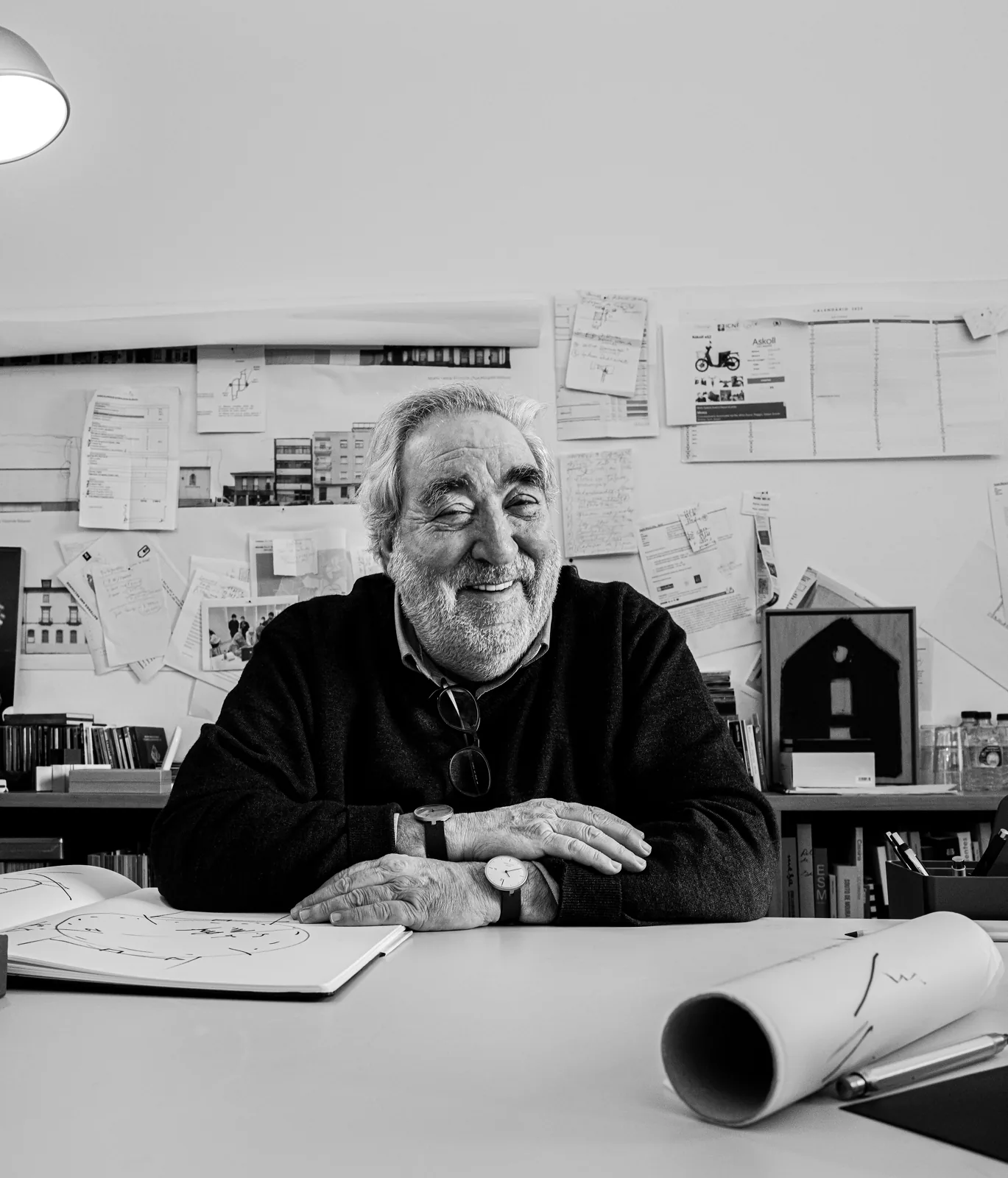
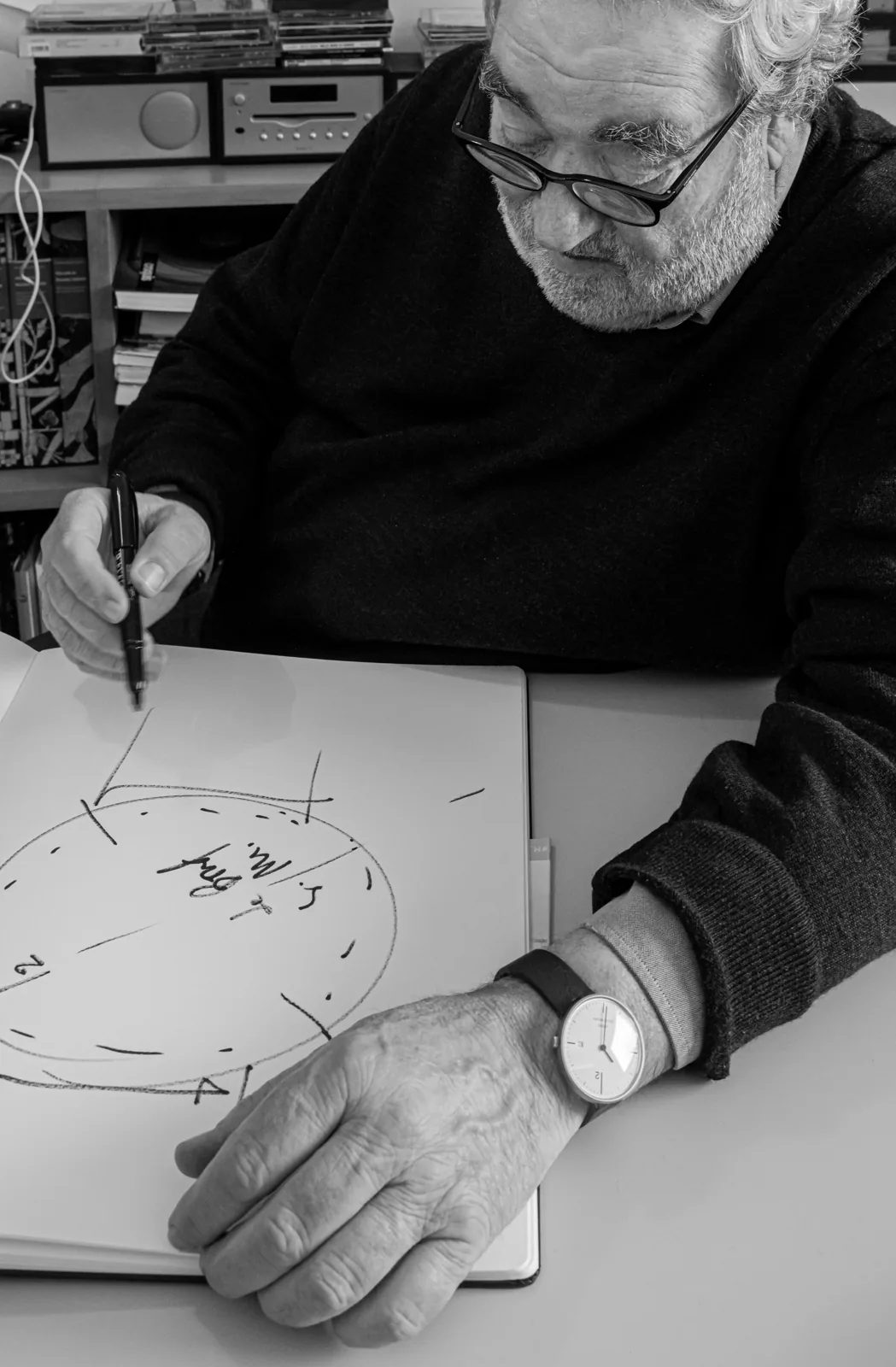
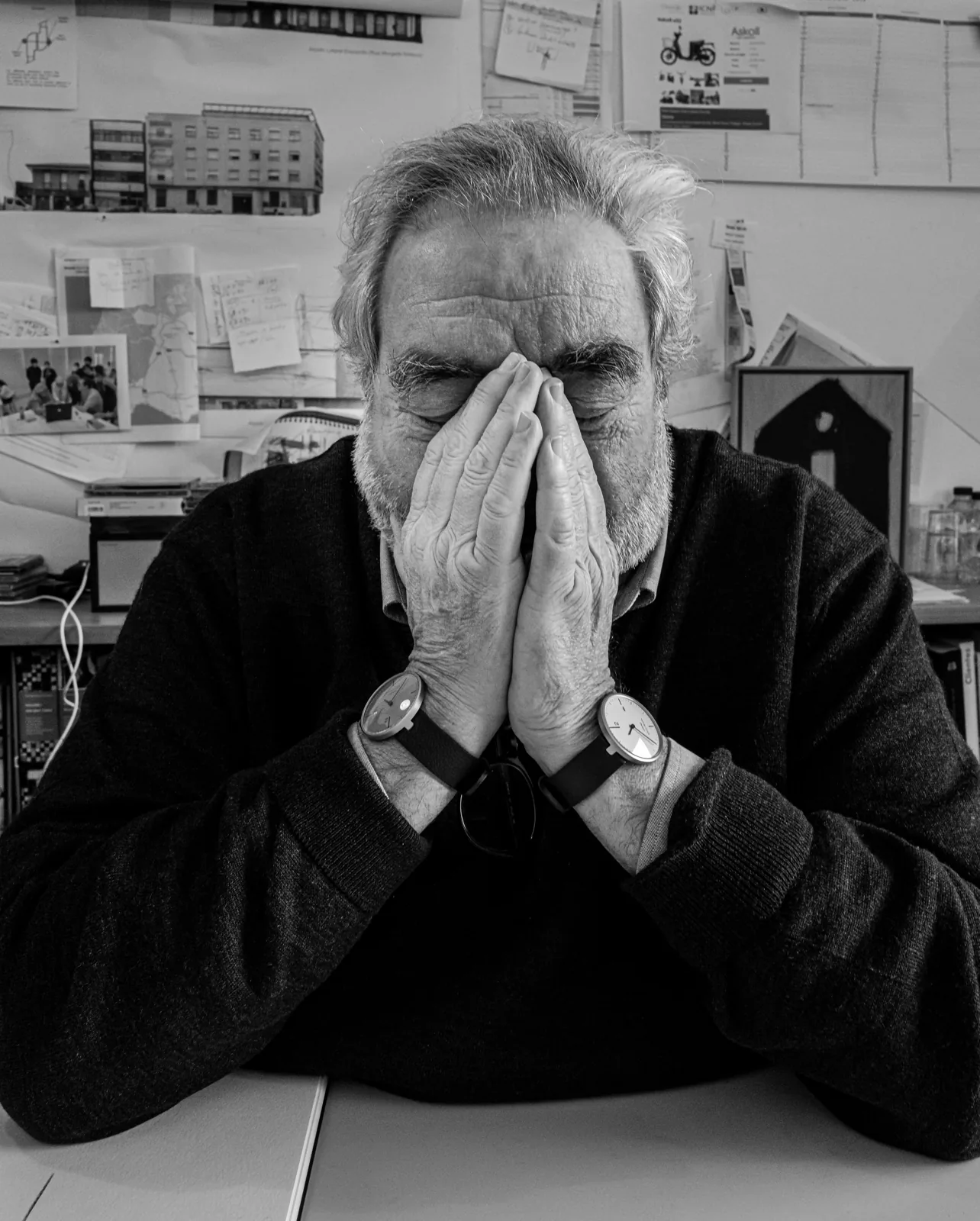
Eduardo Souto de Moura is a Portuguese architect, born in Porto in 1952, and one of the defining figures of contemporary European architecture. He worked for five years alongside Álvaro Siza before opening his own studio in 1980, and has since completed more than sixty projects, most of them in Portugal. In 2011 he received the Pritzker Prize, with a jury that praised work able to hold “power and modesty” at once, architecture that “appears effortless” yet is full of quiet poetry.
Souto de Moura architecture is defined by restraint, material honesty and a precise dialogue with the landscape. Where others reach for spectacle, he edits: a clear structure, a few honest materials, and a building that settles into its site as if it had always been there. A handful of ideas recur across his work:
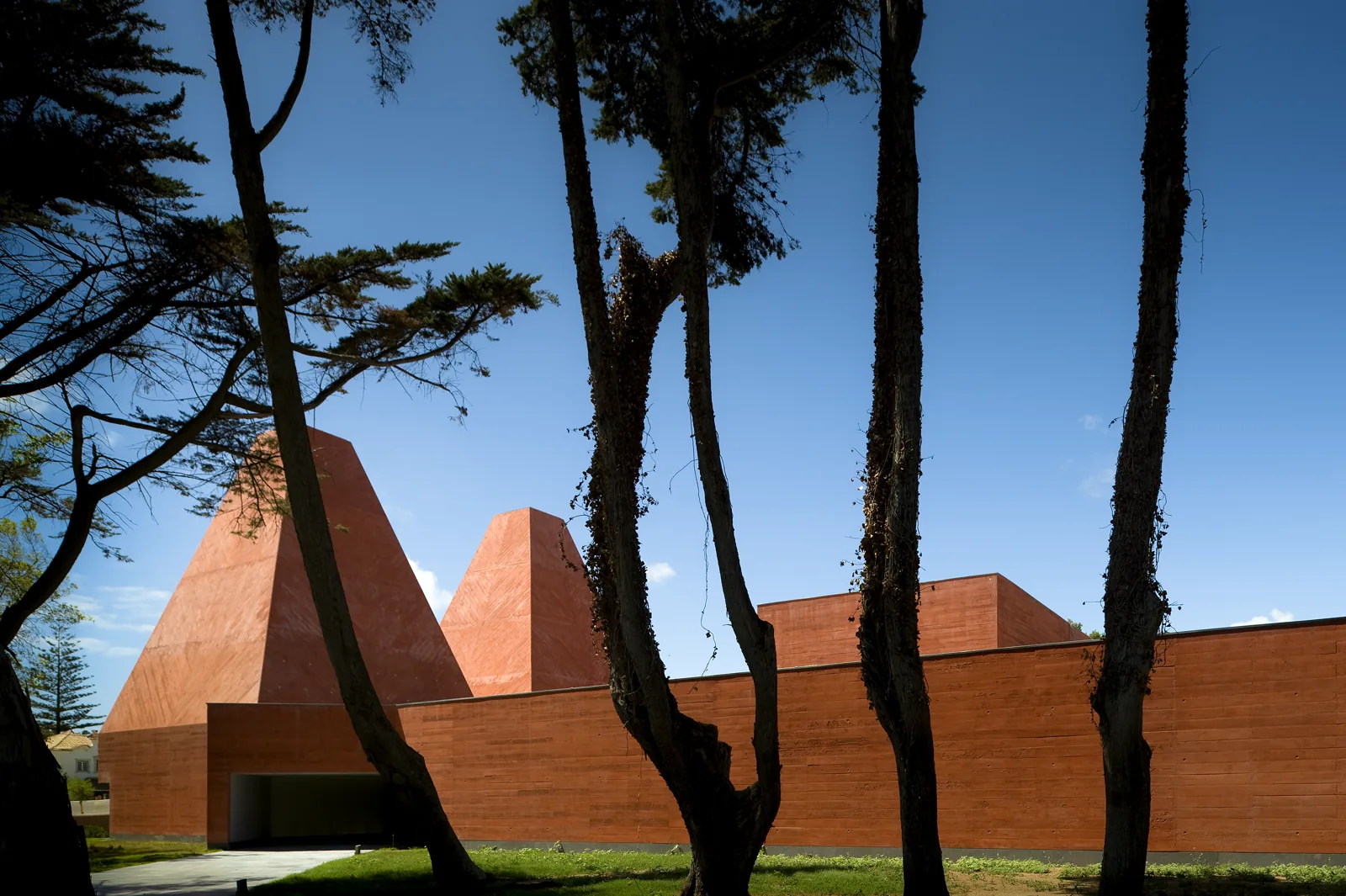
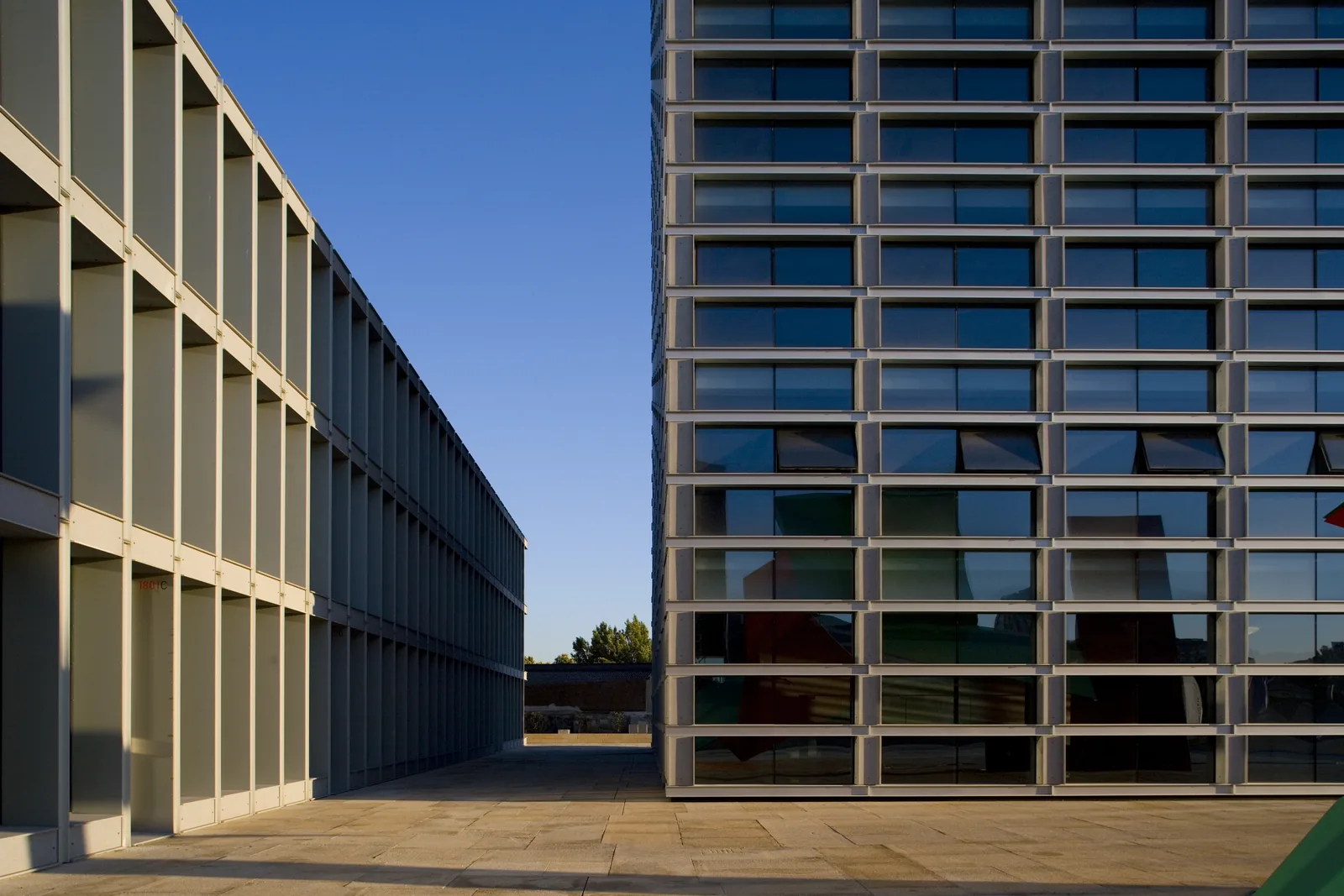
His reputation rests on a series of works that turn restraint into power. The Braga Municipal Stadium, cut into a former granite quarry, is the clearest statement, while the Casa das Histórias Paula Rego shows the same hand at the scale of a museum.
| Year | Building | Location | Type |
|---|---|---|---|
| 1997 | Santa Maria do Bouro Pousada | Amares | Hotel (convent conversion) |
| 2003 | Braga Municipal Stadium | Braga | Stadium |
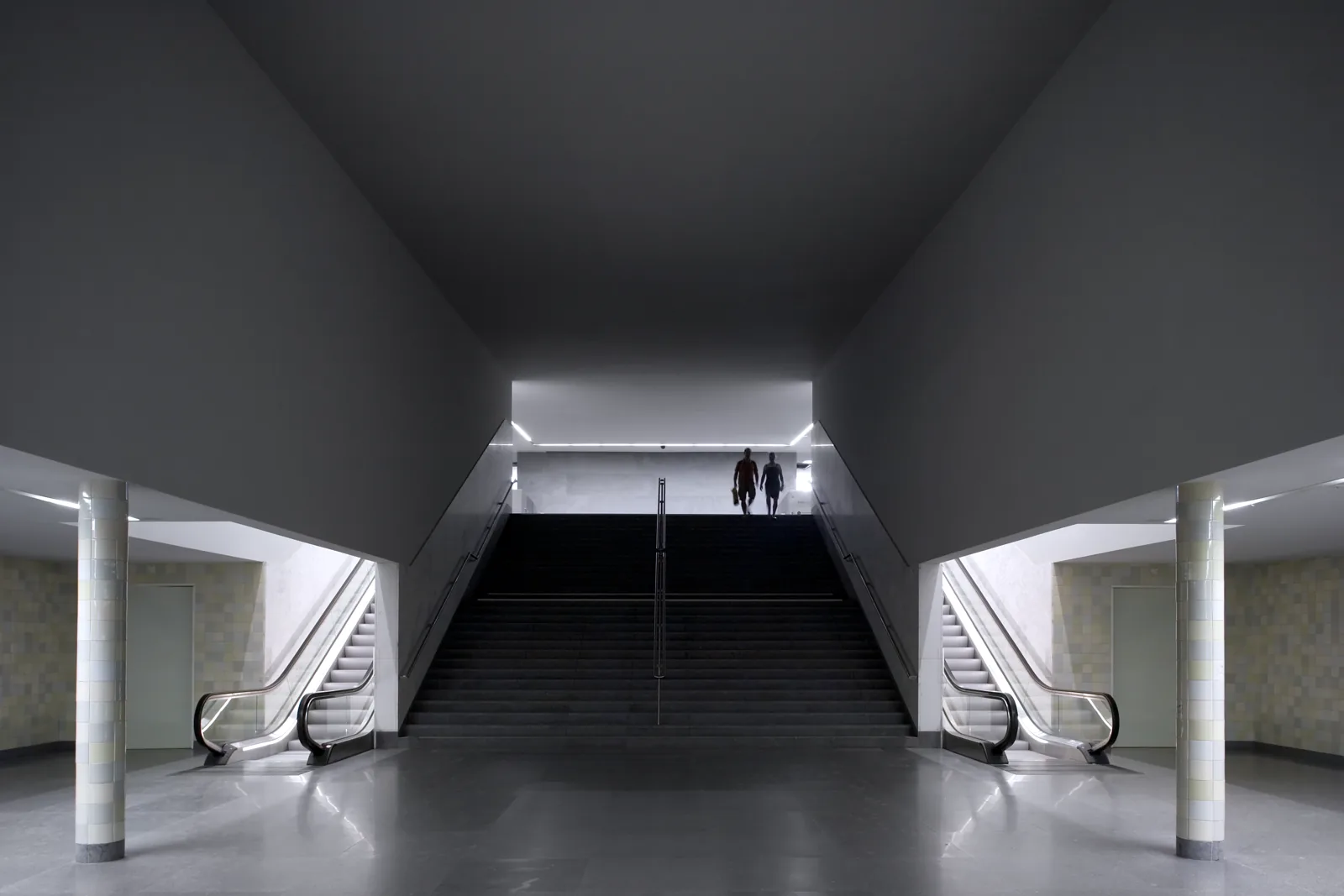
| 2005 | Metro do Porto | Porto | Transit |
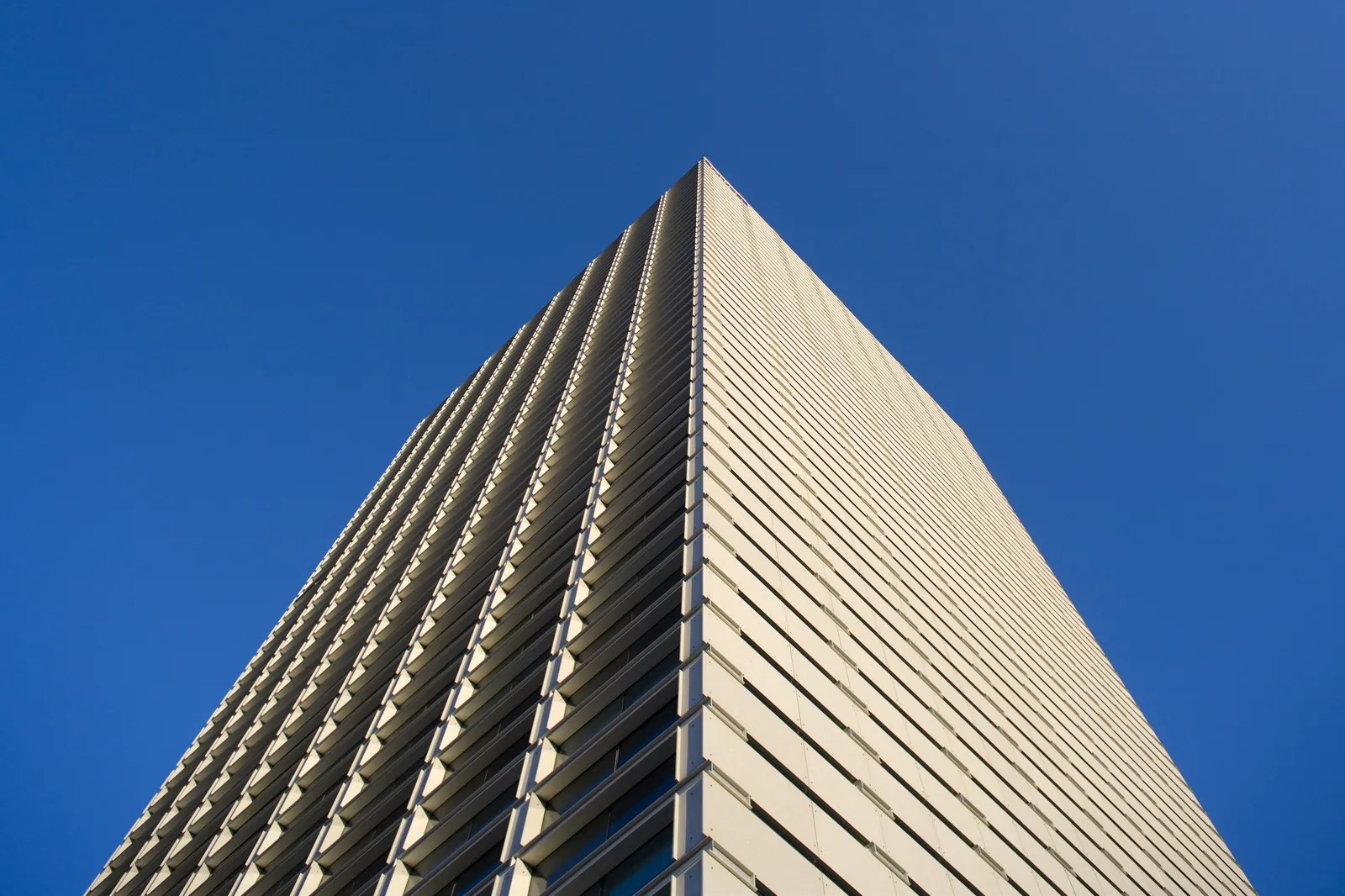
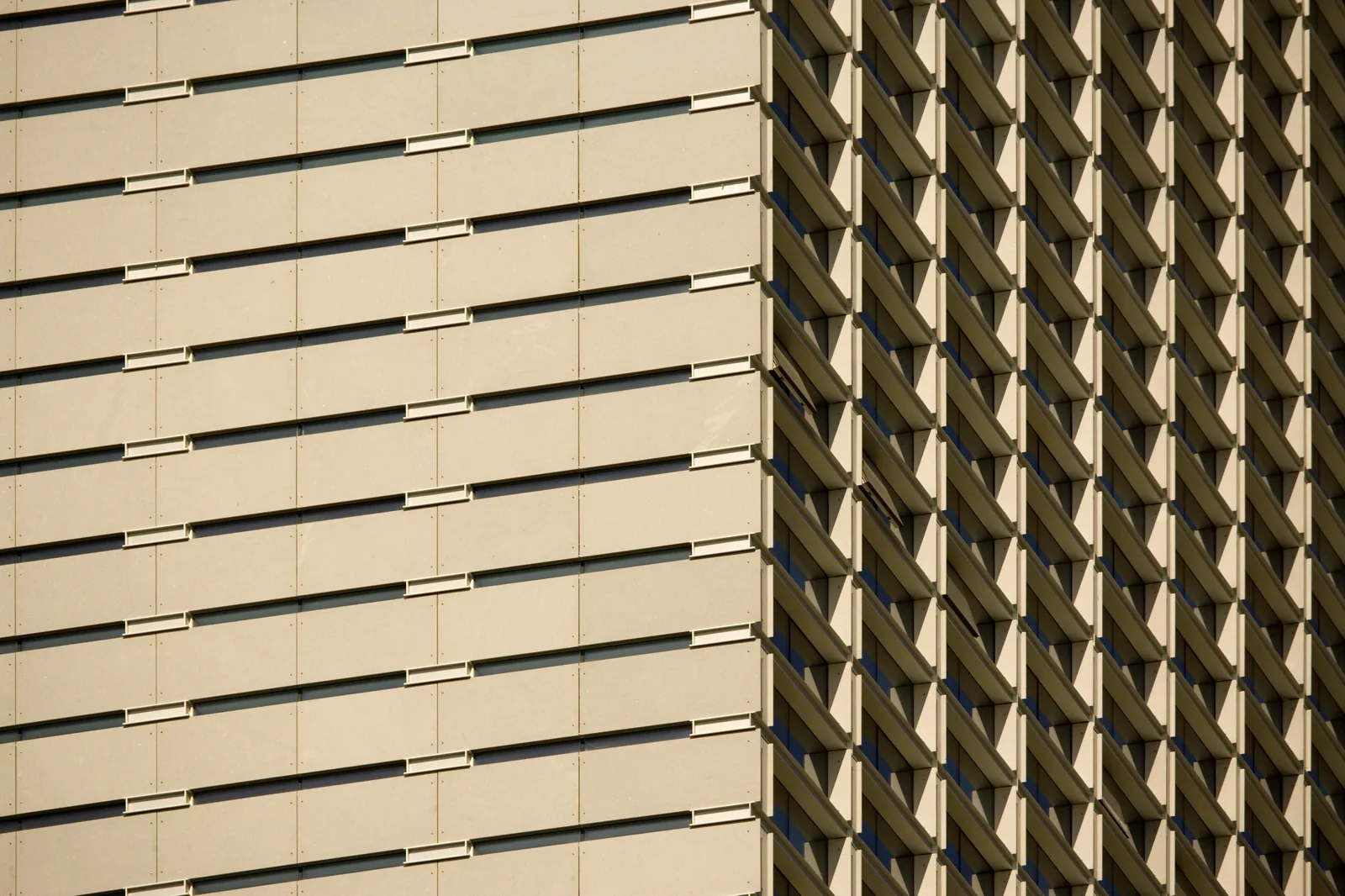
| 2007 | Burgo Tower | Porto | Office tower |
| 2009 | Casa das Histórias Paula Rego | Cascais | Museum |
Souto de Moura cannot be read apart from Álvaro Siza, his mentor and the architect whose studio shaped his early years. Together they anchor the Porto School, a way of working that prizes site, light and material economy over style. Yet Souto de Moura is no imitator: where Siza is lyrical and sculptural, Souto de Moura is cooler and more Miesian, drawn to the rigour of the grid and the honesty of a single material. Two Portuguese laureates, one quiet language, refined across a generation.
If one material captures Souto de Moura, it is granite. At the Braga Municipal Stadium he did not set a building beside the landscape but inside it, blasting into an old quarry and grinding the excavated stone back into the concrete, so structure and site share the same matter. The same instinct runs through his houses, where a single long granite wall can do the work of architecture almost on its own. This is restraint as method rather than style: choose few materials, understand them completely, and let their weight, colour and grain carry the meaning. It is also why his work photographs as calm yet feels monumental in person, the surfaces holding light much the way a good dial does across the day.
The clearest way to wear this sensibility is the Lebond Souto Moura, a Swiss titanium watch he designed. True to his restraint, the dial is kept almost bare and rotated thirty degrees for a more natural reading angle, a small, rational gesture rather than a decorative one. It sits alongside the Lebond Siza in a collection built entirely on architect-designed watches. See the full range of Lebond watches.
Eduardo Souto de Moura is a Portuguese architect, born in Porto in 1952. A former collaborator of Álvaro Siza and a leading figure of the Porto School, he won the Pritzker Prize in 2011 and designed the Lebond Souto Moura watch.
He is known for a restrained, material-led modernism, with works such as the Braga Municipal Stadium, carved into a granite quarry, the Casa das Histórias Paula Rego in Cascais and the Burgo Tower in Porto.
Yes. Eduardo Souto de Moura received the Pritzker Prize in 2011, cited for architecture that appears effortless and serene while holding both public authority and intimacy.
Souto de Moura worked in Álvaro Siza’s studio for five years before founding his own practice in 1980. Both are Portuguese Pritzker laureates and central figures of the Porto School, and Lebond produces a watch designed by each.