

COMPLIMENTARY WORLDWIDE SHIPPING
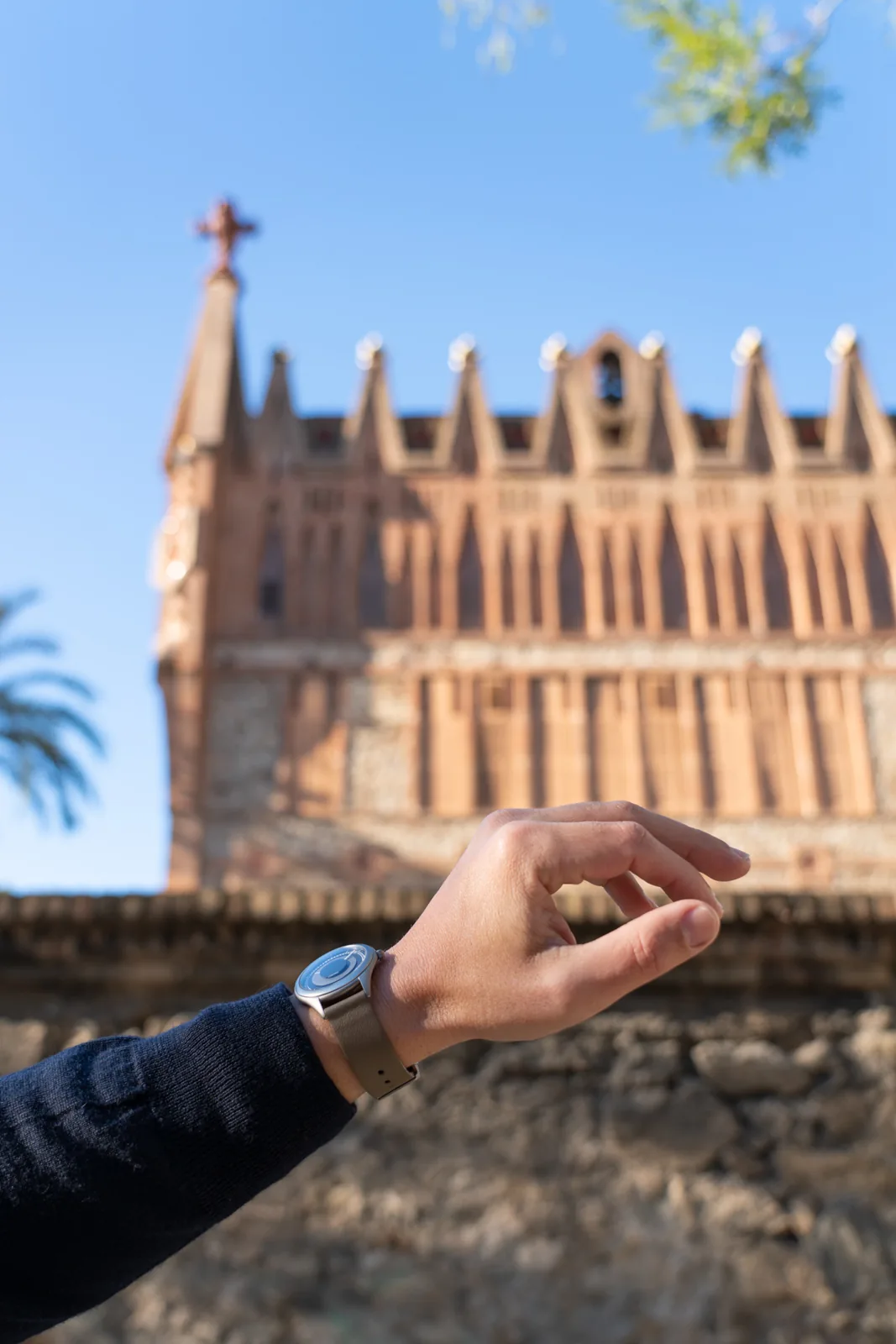
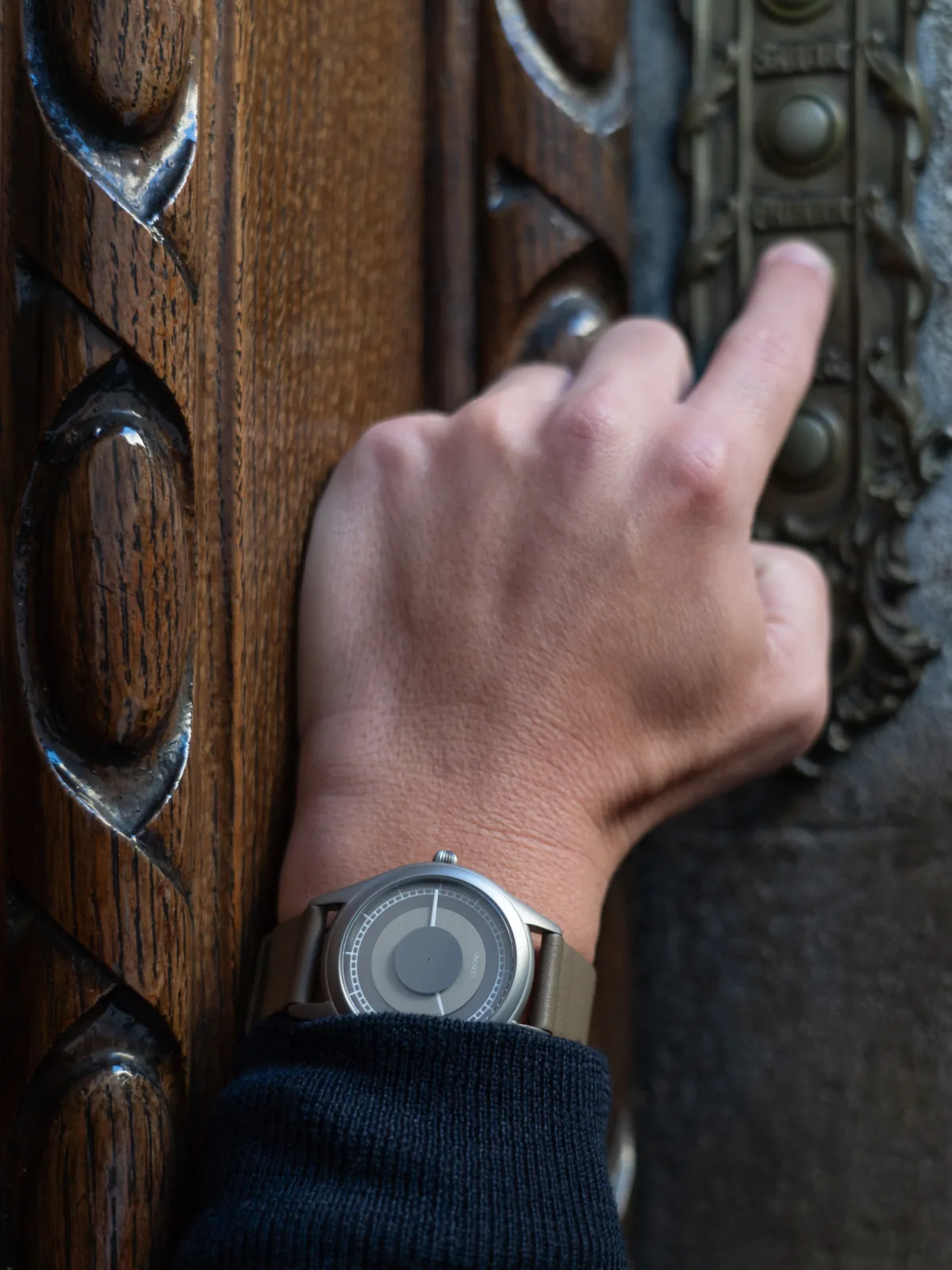
Photography by William Mulvihill
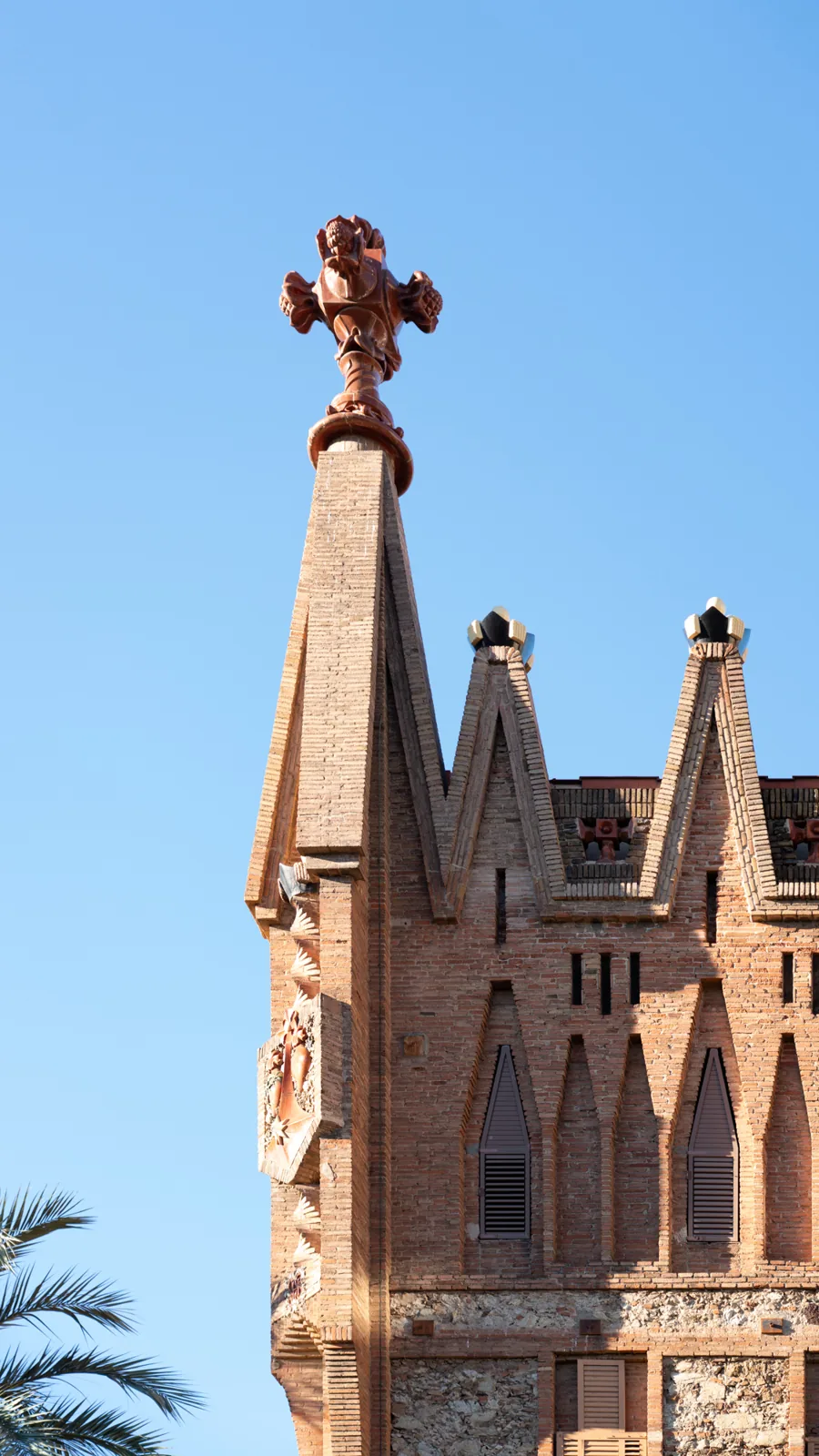
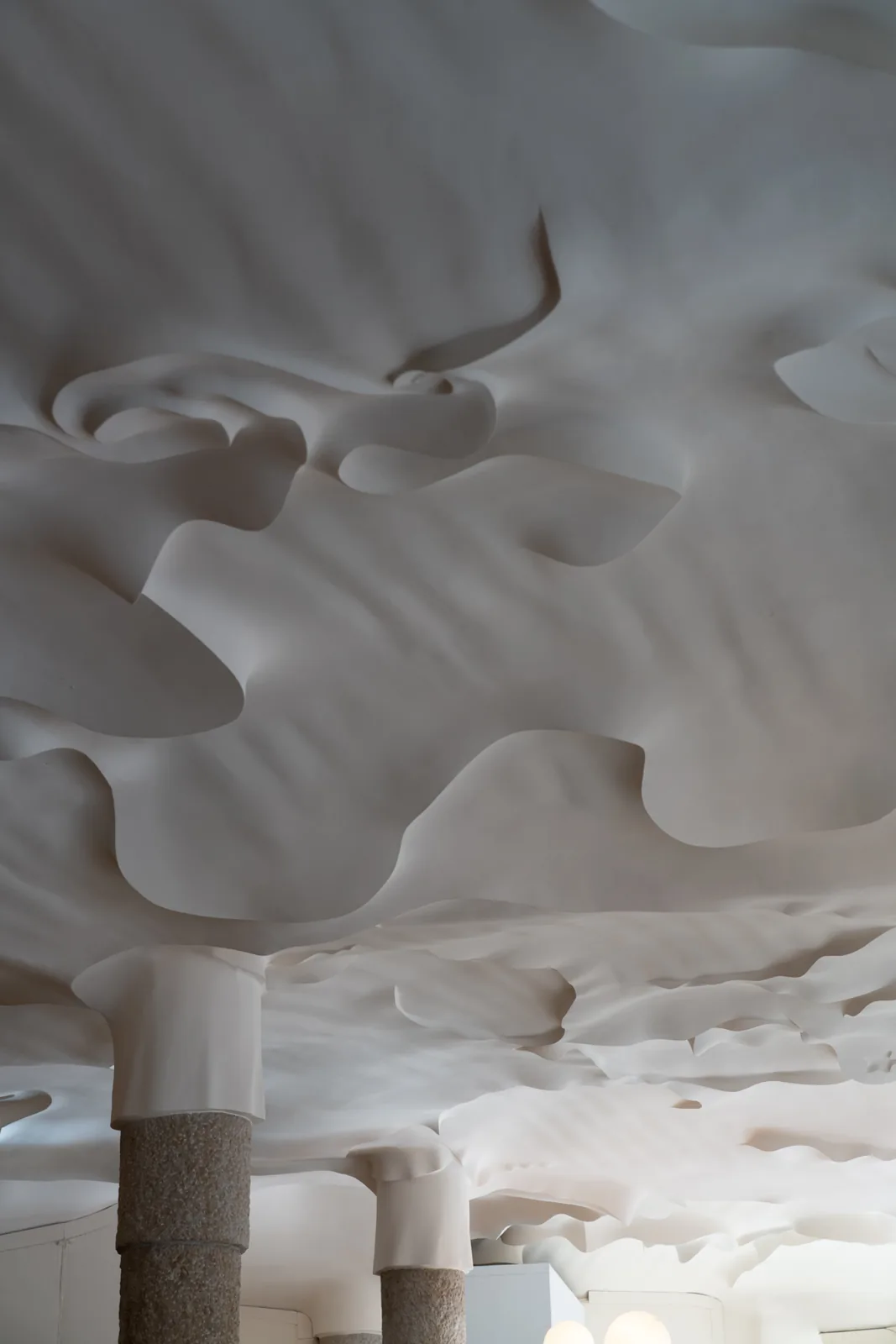
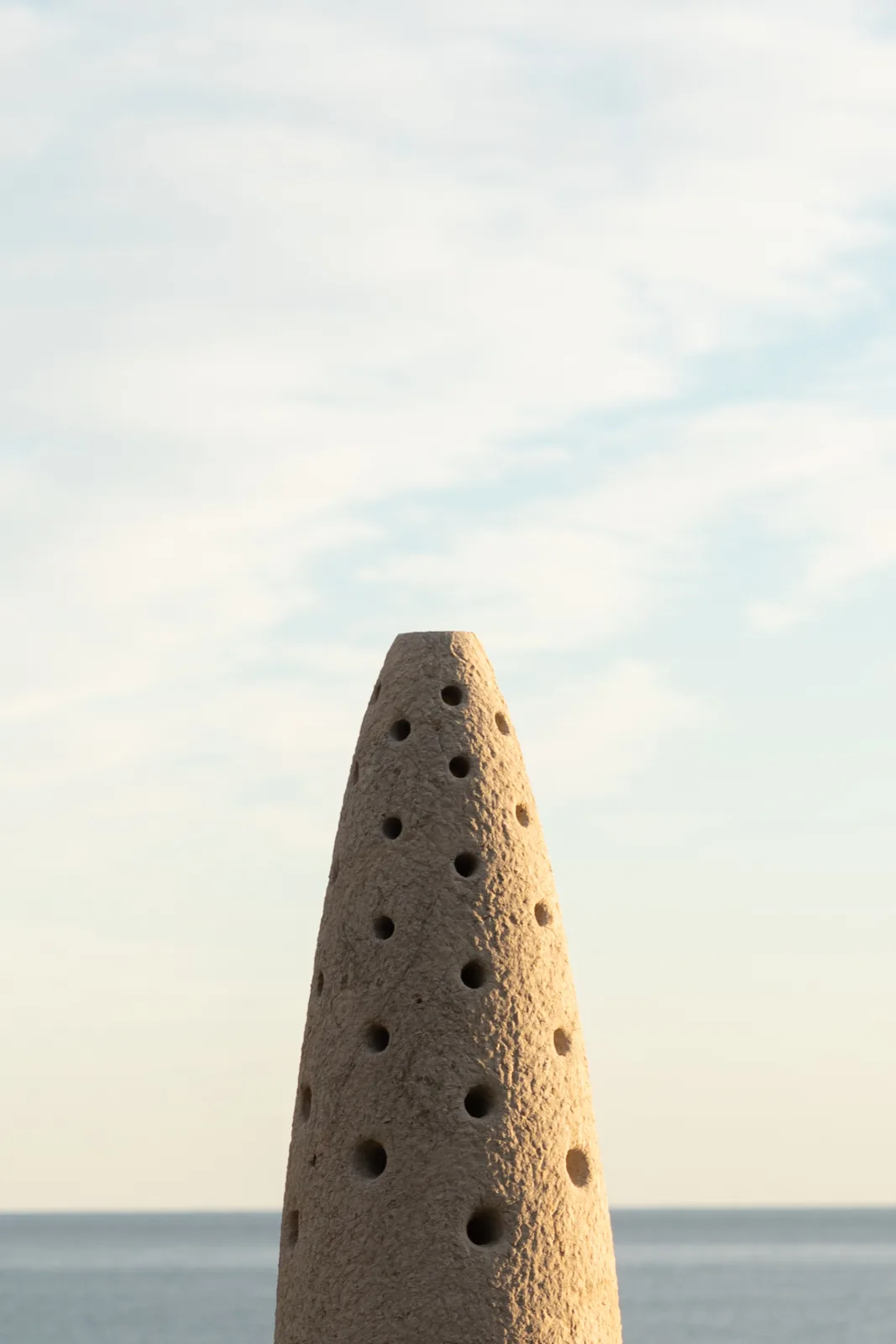
Antoni Gaudí architecture style is unmistakable: organic, nature-driven and structurally daring, the high point of Catalan Modernisme. A century after his death in 1926, his fusion of geometry, faith and the forms of the natural world still feels modern, and it is the spirit Lebond honours in the Attraction.
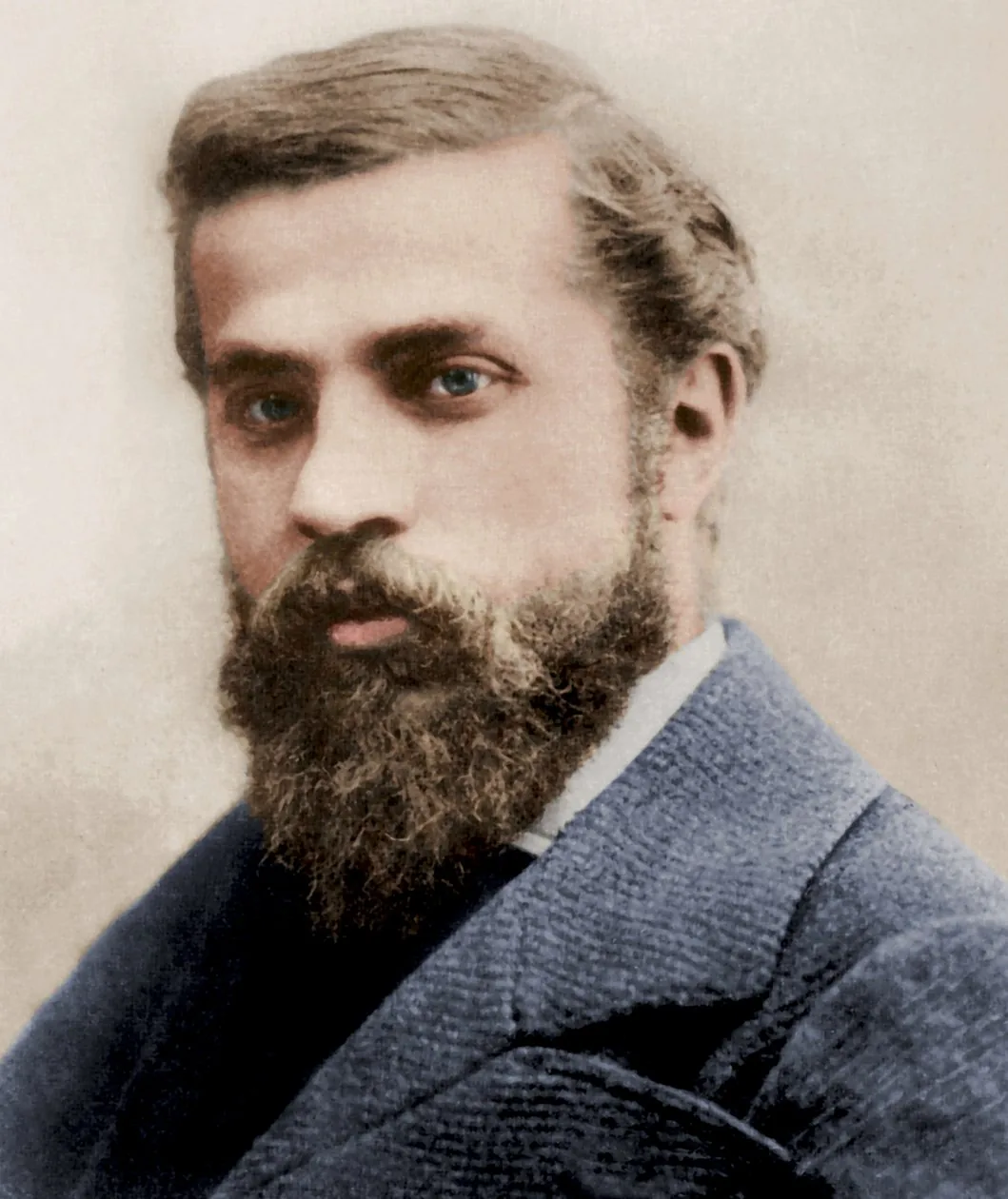
Antoni Gaudí i Cornet was a Catalan architect, born in Reus in 1852 and died in Barcelona in 1926, widely regarded as the greatest exponent of Catalan Modernisme. His work was driven by three lifelong passions, architecture, nature and religion, which he fused into a language unlike anything before or since. Most of his buildings stand in Barcelona, where seven of them are now UNESCO World Heritage sites.
Gaudí’s style is defined by forms drawn from nature and a structural logic borrowed from geometry rather than from historical ornament. He looked to trees, bones, shells and honeycombs for both beauty and strength, then found the mathematics to build them. A few hallmarks recur across his work:
To resolve these forms he built famous hanging chain models, suspending weighted strings to calculate the perfect load-bearing curves before construction began.
His buildings read as a single, evolving experiment, from early Modernisme to the soaring geometry of his unfinished masterpiece.
| Work | Location | Year | Defining feature |
|---|---|---|---|
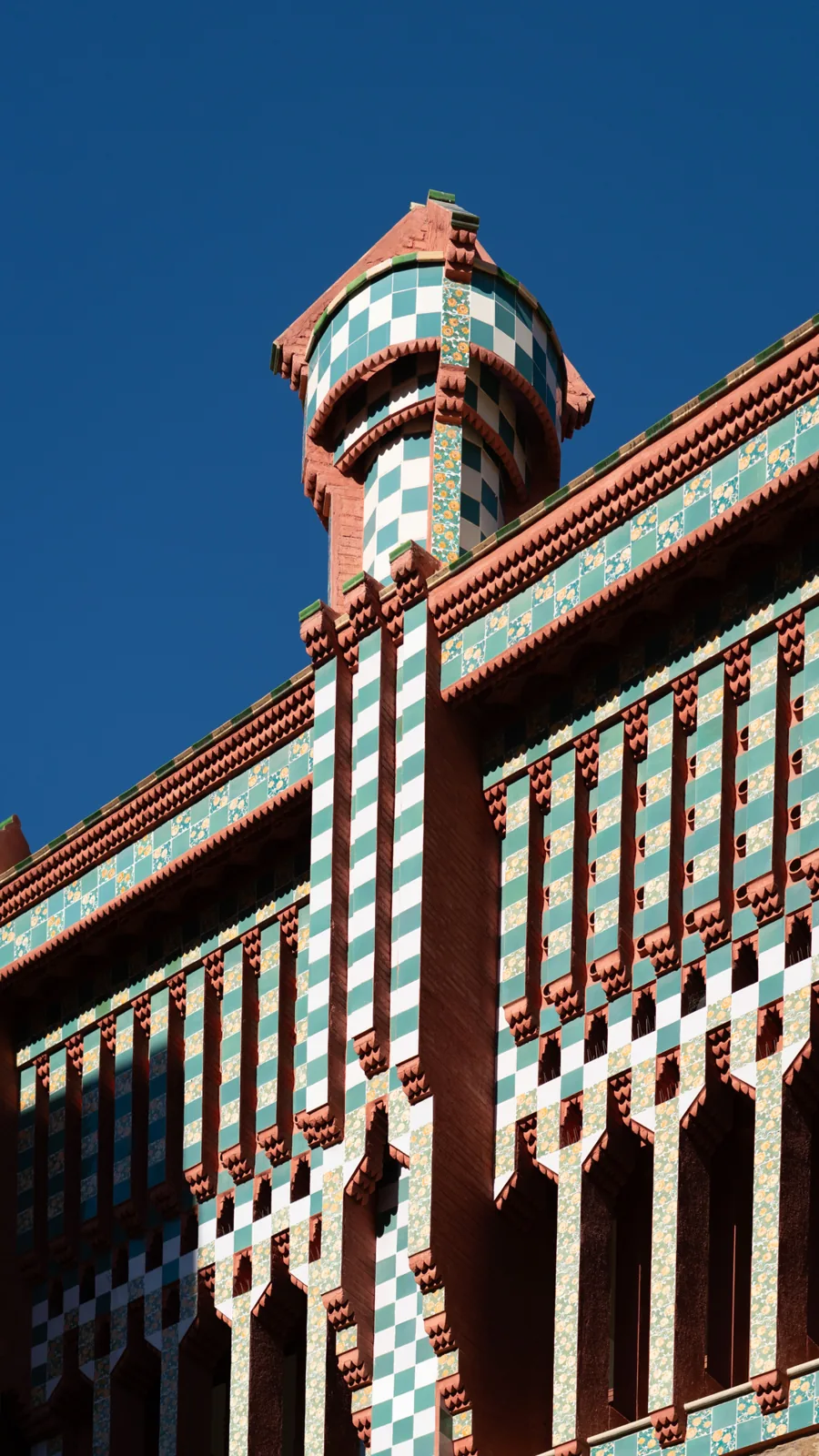
| Casa Vicens | Barcelona | 1885 | Early Modernisme, ceramic tile |
| Palau Güell | Barcelona | 1890 | Parabolic arches |
| Casa Batlló | Barcelona | 1906 | Organic, bone-like façade |
| Casa Milà (La Pedrera) | Barcelona | 1912 | Undulating stone, no straight lines |
| Park Güell | Barcelona | 1914 | Trencadís mosaic |
| Sagrada Família | Barcelona | From 1882 | Catenary geometry, still rising |
What makes Gaudí endure is that his decoration is never only decoration; it is structure made visible. The branching columns of the Sagrada Família are not a flourish but a forest engineered to carry a roof, and the rippling stone of La Pedrera follows the logic of a cliff face. He fused this naturalism with a deep Catholic faith and a mathematician’s rigour, treating a building as a single organism in which ornament, structure and meaning are inseparable. That is why his work resists imitation: you can copy a curved balcony, but not the system of thought beneath it. A century on, architects still study his hanging models to understand how form and force can become one.
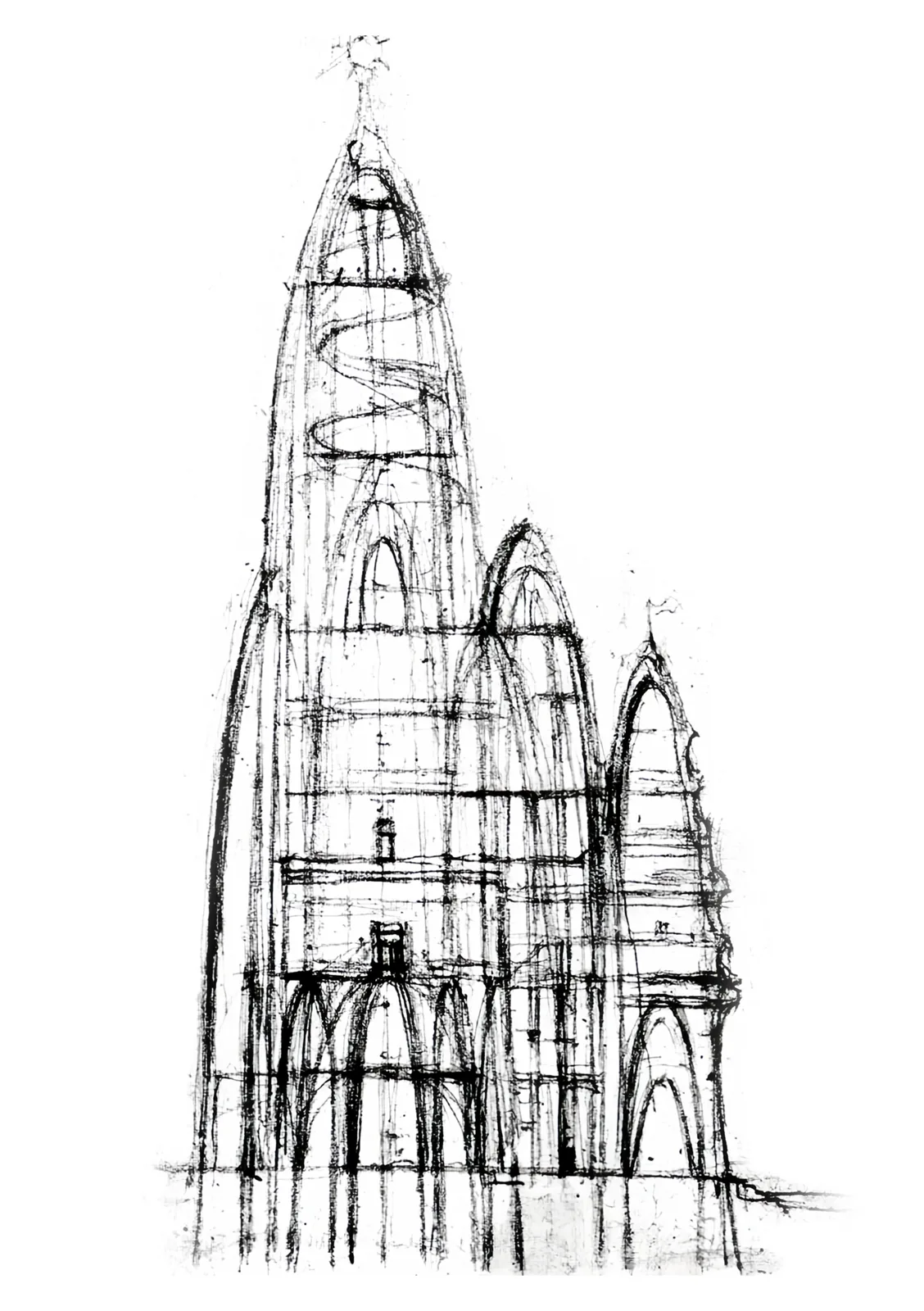
A century after Gaudí’s death, Lebond marks the centenary with the Lebond Attraction, a Swiss titanium watch that takes its name and spirit from his most audacious unbuilt project, the Hotel Attraction skyscraper imagined for New York. Where Siza and Souto de Moura sit at the rational end of the brand’s architects, Gaudí is its expressive pole, proof that architectural thinking can be daring as well as disciplined. Explore the full collection of Lebond watches.
Gaudí’s style is the height of Catalan Modernisme, the Catalan branch of Art Nouveau. It is organic and nature-driven, using curved lines, catenary arches and trencadís mosaic rather than the straight lines and historical ornament of his contemporaries.
The main features are forms drawn from nature, the structural use of the catenary arch, colourful trencadís mosaic, and honest, tactile materials. Gaudí used hanging chain models to calculate his self-supporting curves before building.
His most famous works are the Sagrada Família, Casa Batlló, Casa Milà (La Pedrera) and Park Güell, all in Barcelona, where seven Gaudí sites are UNESCO World Heritage.
The Lebond Attraction is a titanium watch conceived as a tribute to Gaudí, marking the centenary of his death in 1926 and named after his unbuilt Hotel Attraction skyscraper for New York.