

COMPLIMENTARY WORLDWIDE SHIPPING

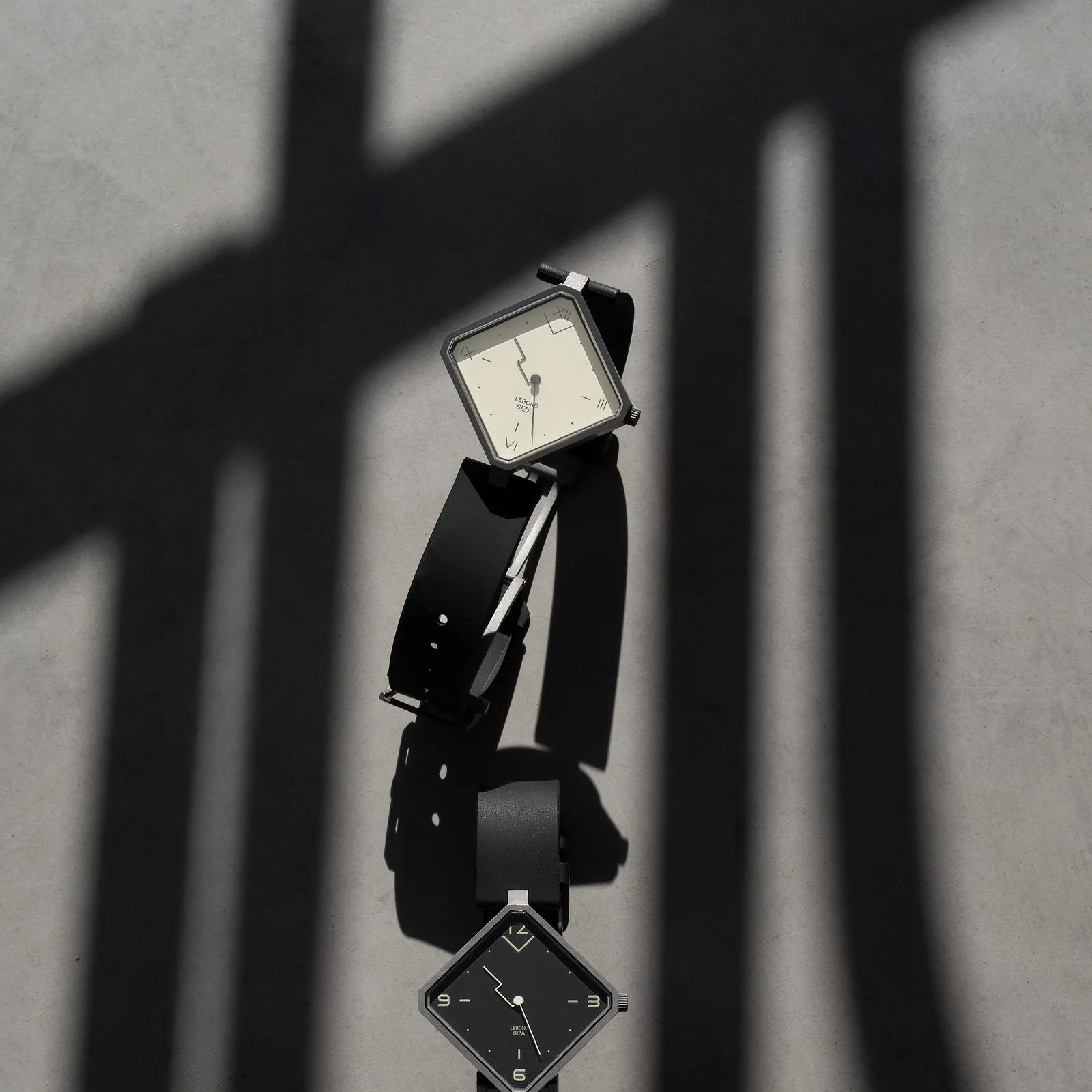
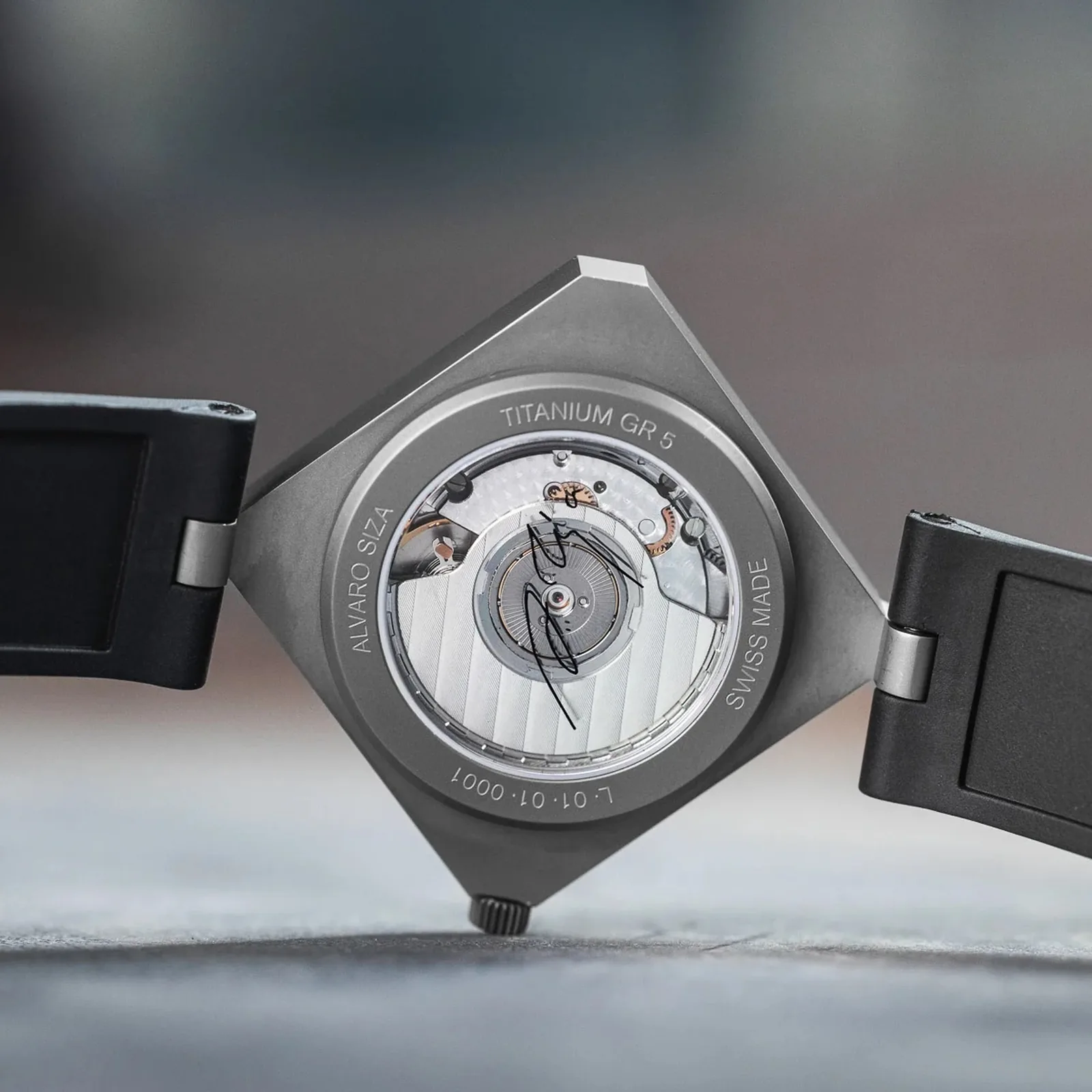
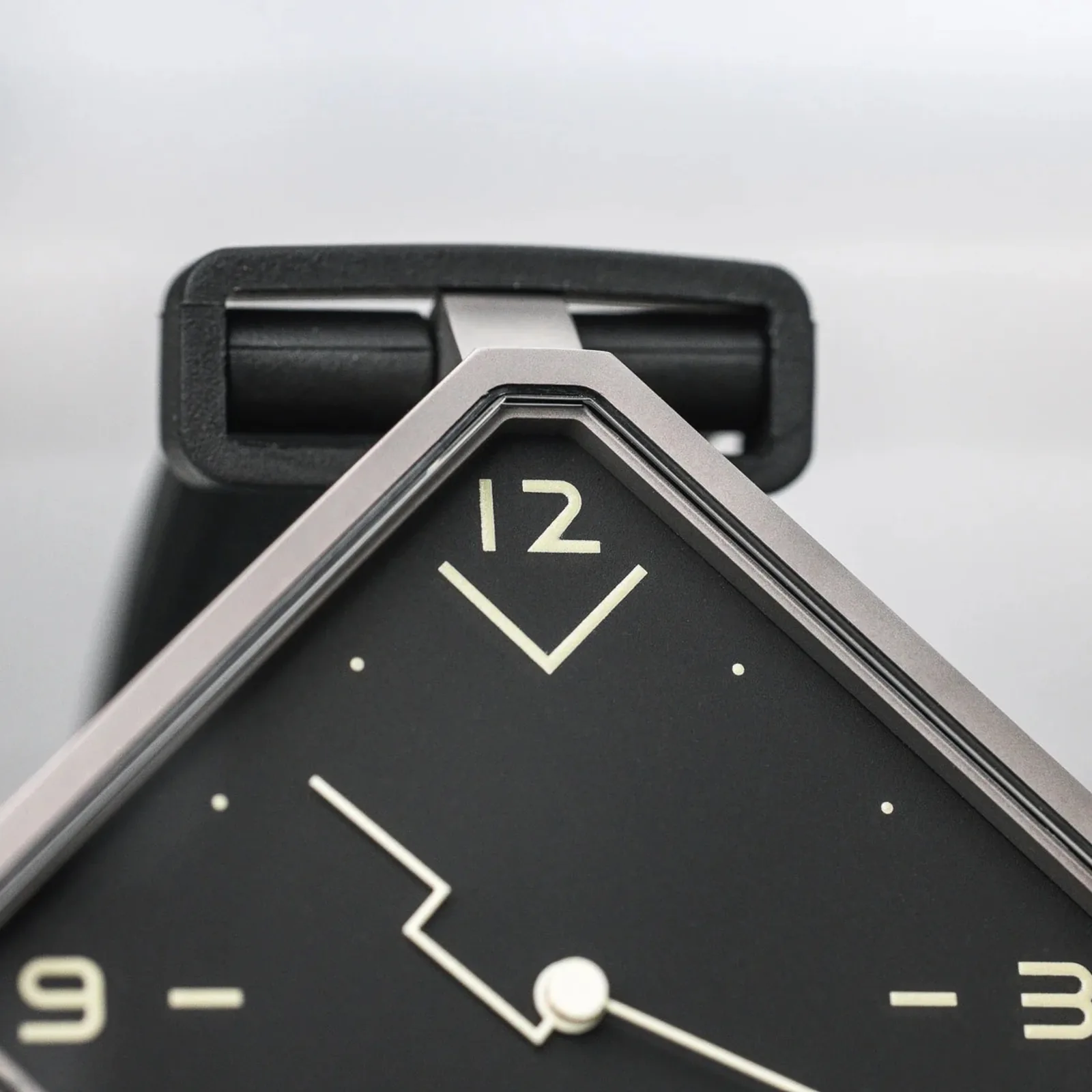
Photography by Fernando Guerra.
Good minimalist design principles are not about emptiness; they are about deciding what matters and removing the rest. From Bauhaus workshops to a titanium dial, the same short set of rules keeps producing objects that look calm today and will still look calm in thirty years. This is what those principles are, and why they endure.
The core minimalist design principles are reduction, function, material honesty, proportion and restraint. None is a style; each is a decision applied again and again until nothing is left that does not earn its place. Stated plainly, they run as follows:
Minimalism begins with reduction, but reduction is an act of judgement rather than mere removal. Anyone can strip an object bare; the discipline lies in knowing which elements carry the meaning and which are noise. Mies van der Rohe compressed the idea into three words that still govern the field.
“Less is more,” said Mies van der Rohe, and design has been proving him right ever since.
The strongest minimalist objects are honest about what they are and what they do. Function comes first, so nothing is added that does not help the object work, and material honesty follows, so the surface tells the truth: concrete reads as concrete, titanium as titanium. This is why minimalist design ages so well. There is no fashionable ornament to date, and no false finish to wear away, only the material and the form, doing exactly what they claim.
Minimalism uses empty space as deliberately as a composer uses silence. Negative space gives the eye somewhere to rest and lets the essential elements register clearly, while careful proportion holds everything in balance. The final principle, restraint, is the hardest: the willingness to stop, to leave the last flourish undrawn. Restraint is what separates the minimal from the merely bare, and it is a quality felt rather than counted.
The most common misunderstanding is that minimalism means empty, cold or cheap. In truth, a genuinely minimal object is often more expensive to make and harder to design than a busy one, because every remaining element has to be right. There is nowhere to hide a poor joint, a weak proportion or a careless material, so the tolerances rise and the craft has to answer. Warmth survives too, carried not by ornament but by the quality of a surface, the weight of a material in the hand, a proportion that simply feels correct. This is the difference between minimal and merely bare: the bare object has had things taken away, while the minimal object has had everything resolved. One feels like a lack; the other feels like enough.
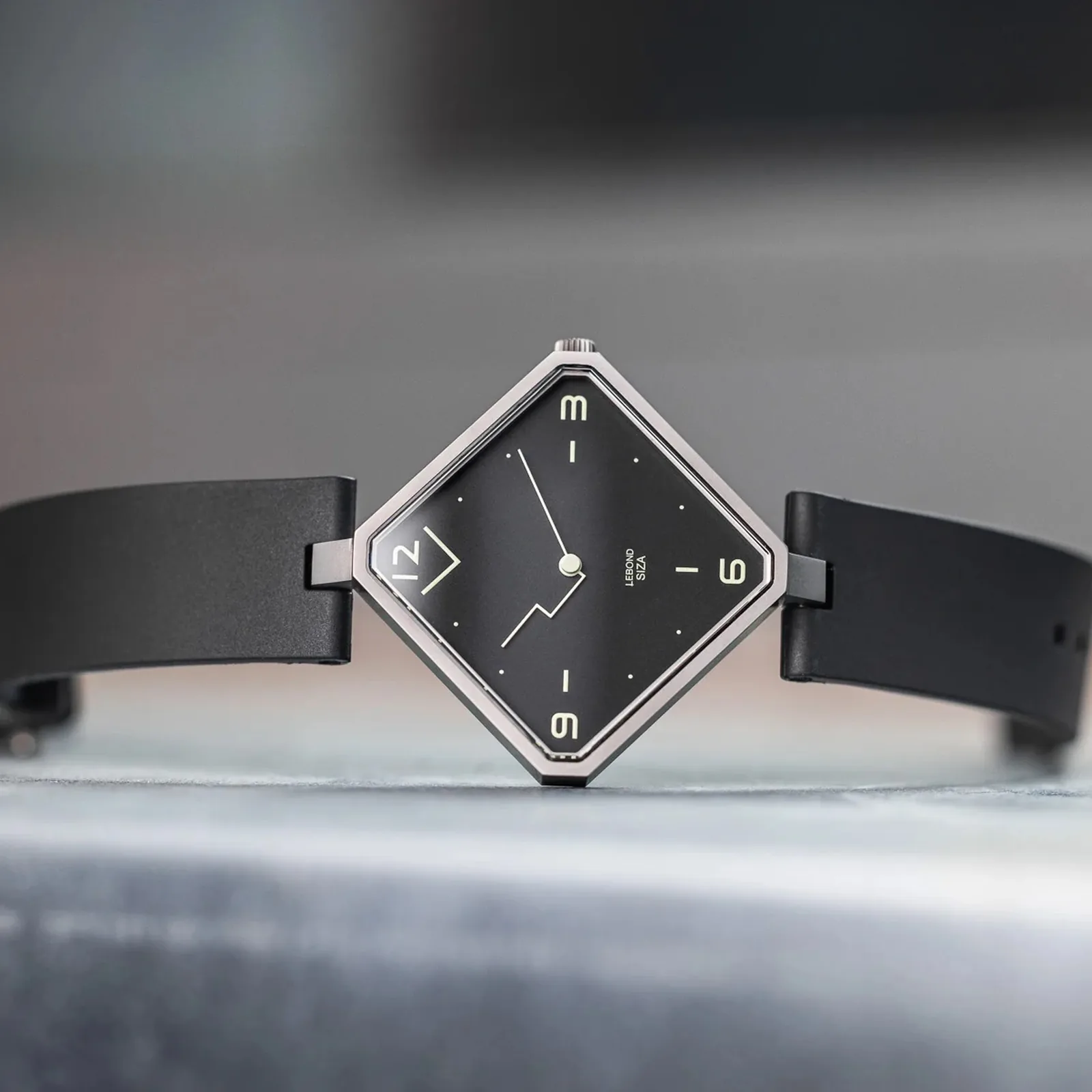
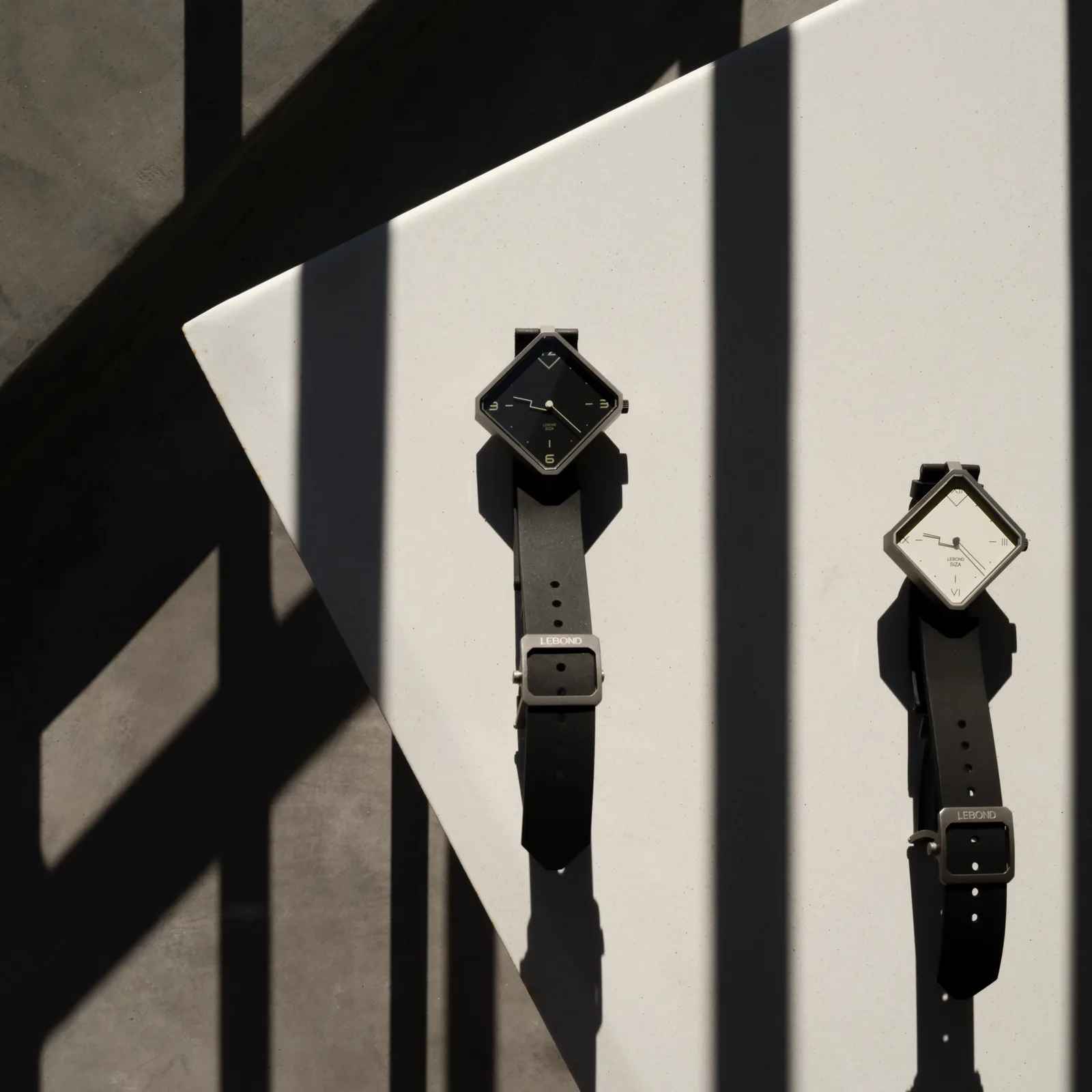
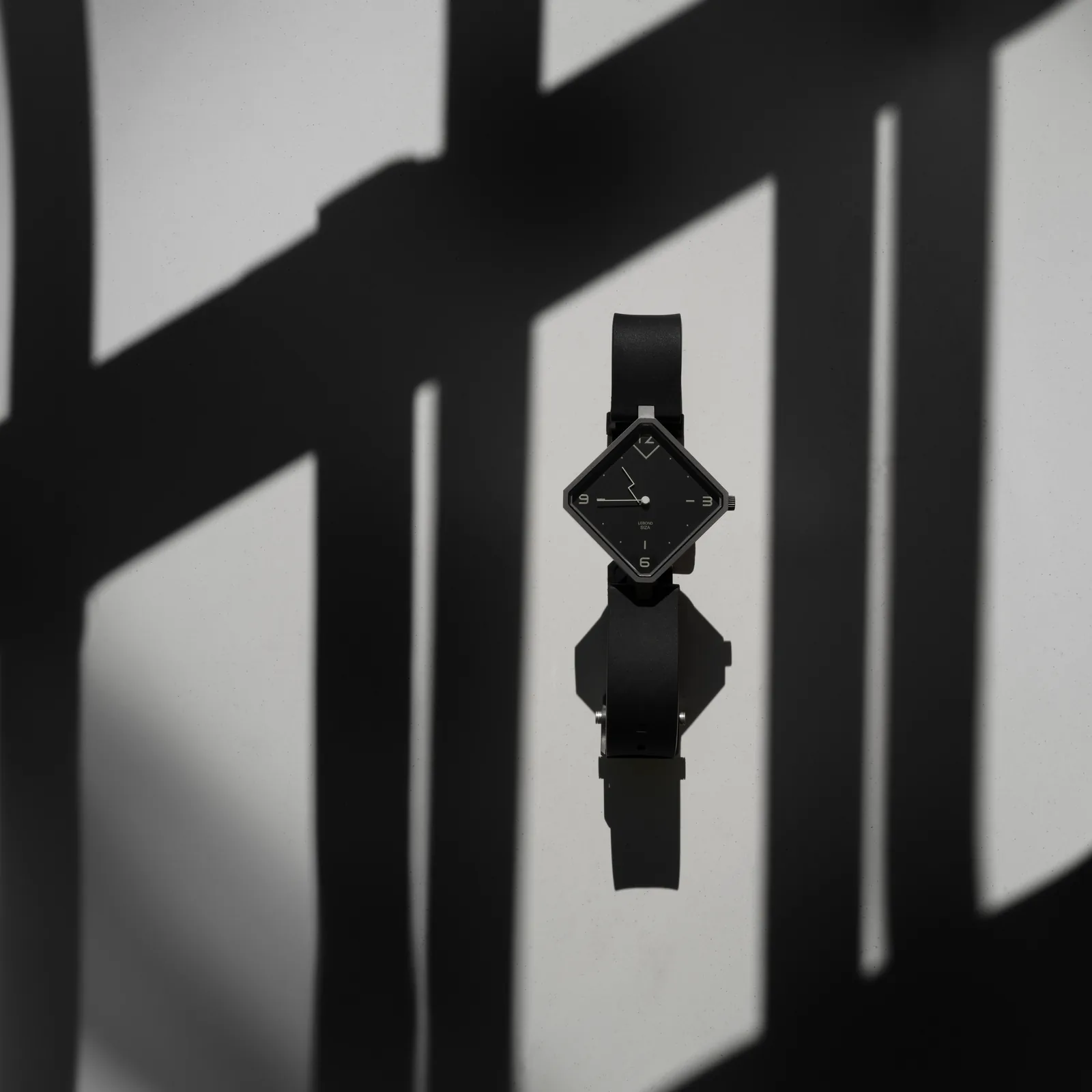
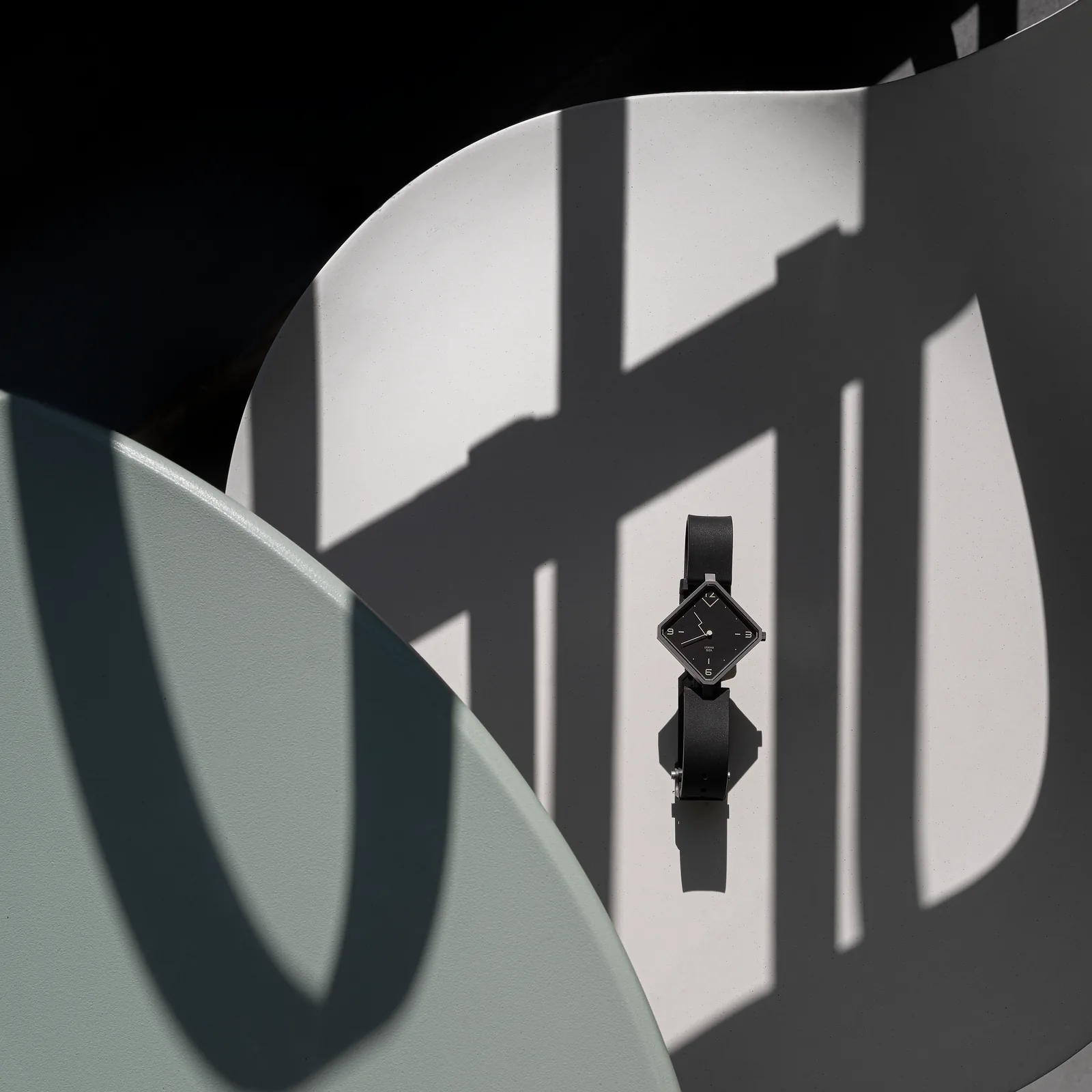
These principles are exactly what an architect brings to a watch. The Lebond Siza, designed with the Pritzker laureate Álvaro Siza, applies every rule above: a titanium case honest about its material, a dial reduced to what the eye needs, proportions drawn like a facade and no ornament asking to be admired. It is minimalism understood as architecture, which is why it sits so naturally among the architects behind Lebond and across the wider collection of Lebond watches.
The main minimalist design principles are reduction, function first, material honesty, proportion and hierarchy, the deliberate use of negative space, and restraint. Together they remove everything that does not serve the object’s purpose.
They descend from early modernism, particularly the Bauhaus, Louis Sullivan’s “form follows function” and Dieter Rams’s “less but better” at Braun. Mies van der Rohe’s “less is more” is their best-known summary.
Minimalist design ages well because it contains no fashionable ornament to date and no false finish to wear away. With only honest material and essential form, the object looks as resolved years later as on the day it was made.
The Lebond Siza, designed with architect Álvaro Siza, uses a titanium case honest about its material, a dial reduced to essentials and architectural proportion, with no decorative detail. It is minimalism applied to a watch.