

COMPLIMENTARY WORLDWIDE SHIPPING
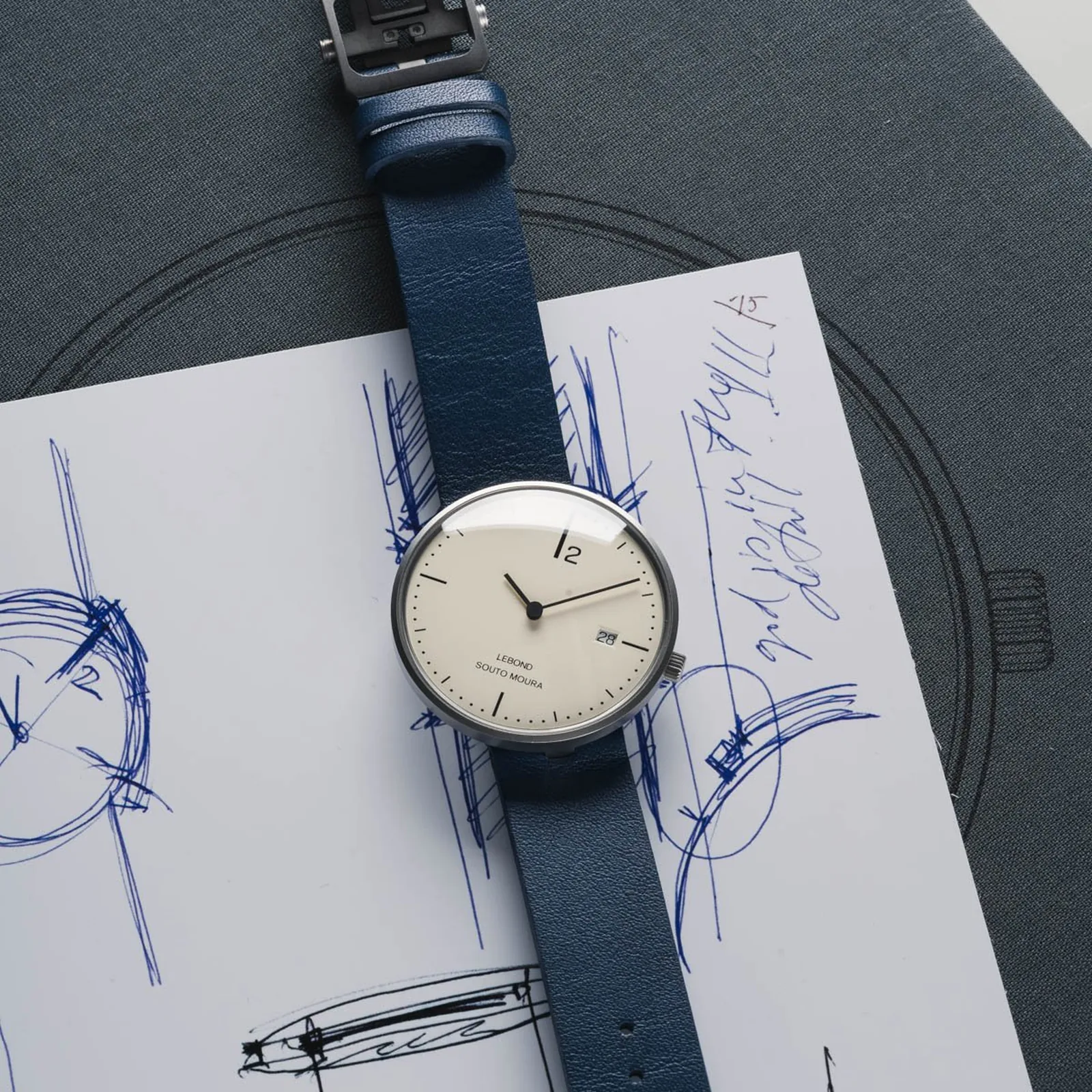

Photography by Lebond and Fernando Guerra. Sketch by Álvaro Siza.
Every watch tells the time, but only some are worth looking at when they are not. The idea of the watch as design object is exactly this: an instrument that has been resolved so completely that it becomes a thing to consider in its own right, like a chair by Breuer or a lamp by Rams. So when does a watch cross that line?
A watch becomes a design object when every part of it is decided by design rather than habit, so that nothing is arbitrary and nothing is there merely to sell. The case, the dial, the hands, the way the strap meets the body: each is resolved for clarity and use, not for decoration. At that point the watch stops being a mere accessory and starts behaving like any serious piece of industrial design, judged by how well form and function agree. The test is simple. Take the watch off, set it down, and ask whether it still holds the eye.
One measure of a design object is that a museum will collect it for its form alone. Design collections such as the one at New York’s Museum of Modern Art hold watches and clocks chosen not for complications but for clarity, among them the Bauhaus-descended faces that reduced timekeeping to pure legibility. A watch admitted on those terms is being treated exactly like a chair, a teapot or a typeface: as a designed object whose value lies in how completely it resolves its problem.
“Good design is as little design as possible,” wrote Dieter Rams, and the rule fits a watch as well as a radio.
The shift from tool to design object is a shift in intent, and it shows in a few concrete choices. A designed watch tends to share the same instincts:
Mechanical watches make the case especially well, since the movement is itself a piece of design. A NOMOS Tangente (hand wound) or a Max Bill by Junghans (automatic) is admired as much for its face as for its function, proof that a working instrument can also be a considered object.
Architecture offers the clearest model for the watch as design object, because a building must be useful and resolved at once. An architect cannot hide a bad idea behind ornament; the structure is on show. Apply that habit of mind to a watch and every element must justify itself, which is precisely how a dial comes to feel composed rather than decorated. The discipline that plans a house also plans a face. It is no accident that so many designed watches carry the fingerprints of architects and industrial designers rather than of the jewellery trade; the habit of resolving form and function together is exactly the habit a good watch needs.
There is a quieter reward to this approach. A watch built as a design object tends to stay with its owner, because it does not depend on trend to justify itself and does not tire the eye. It becomes the kind of thing that is kept, repaired and eventually handed on, valued less as a possession than as a small, resolved piece of design that happens to tell the time.
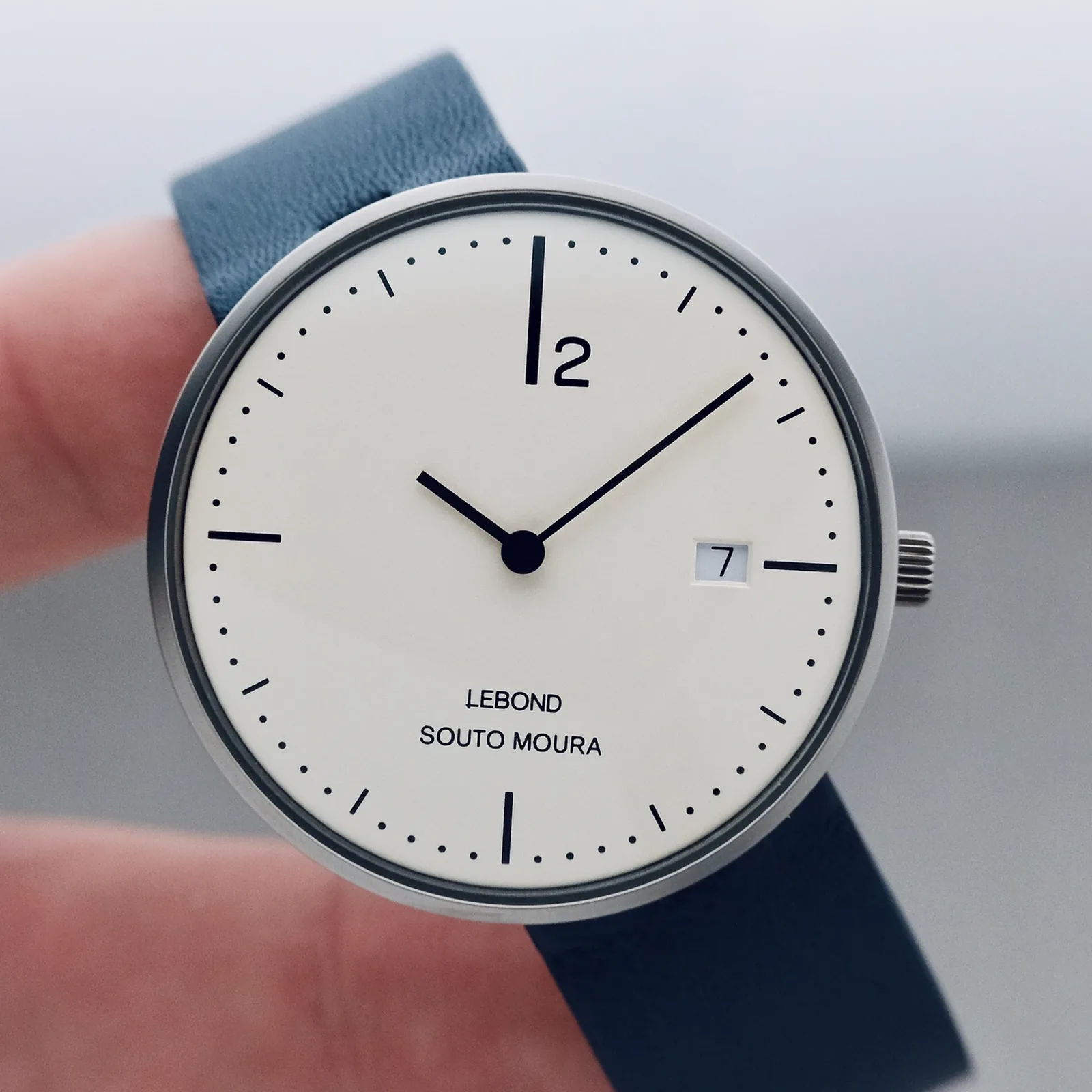
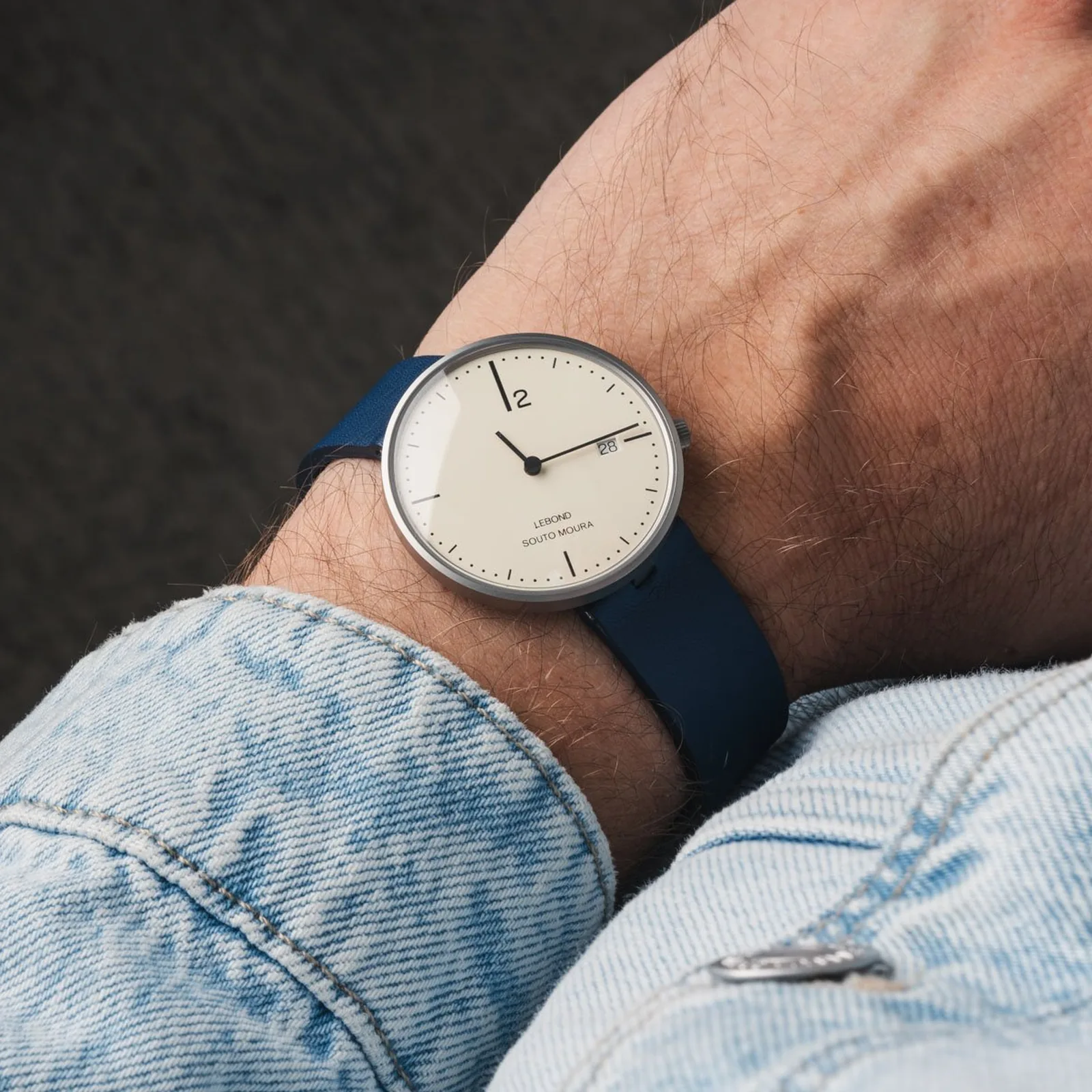
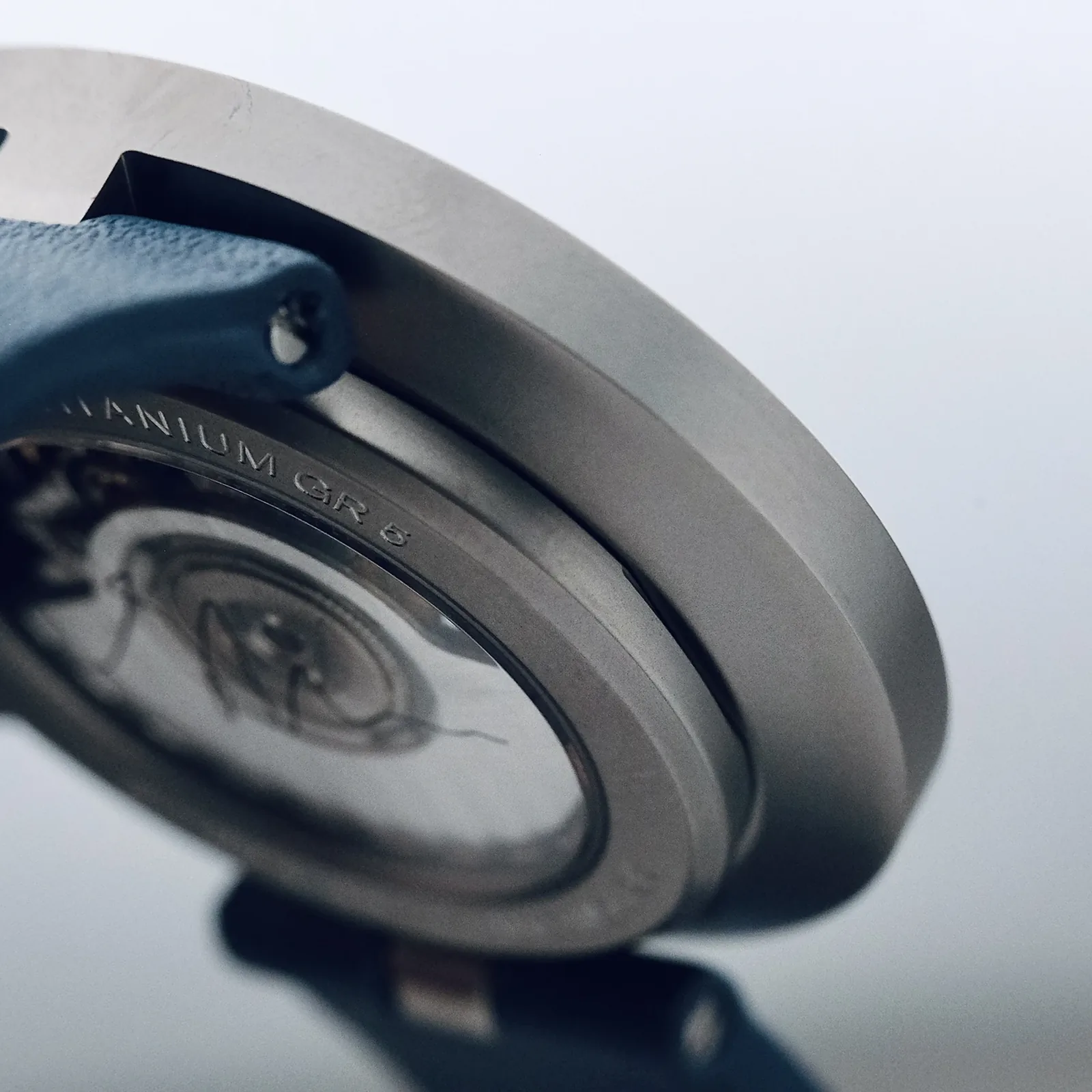
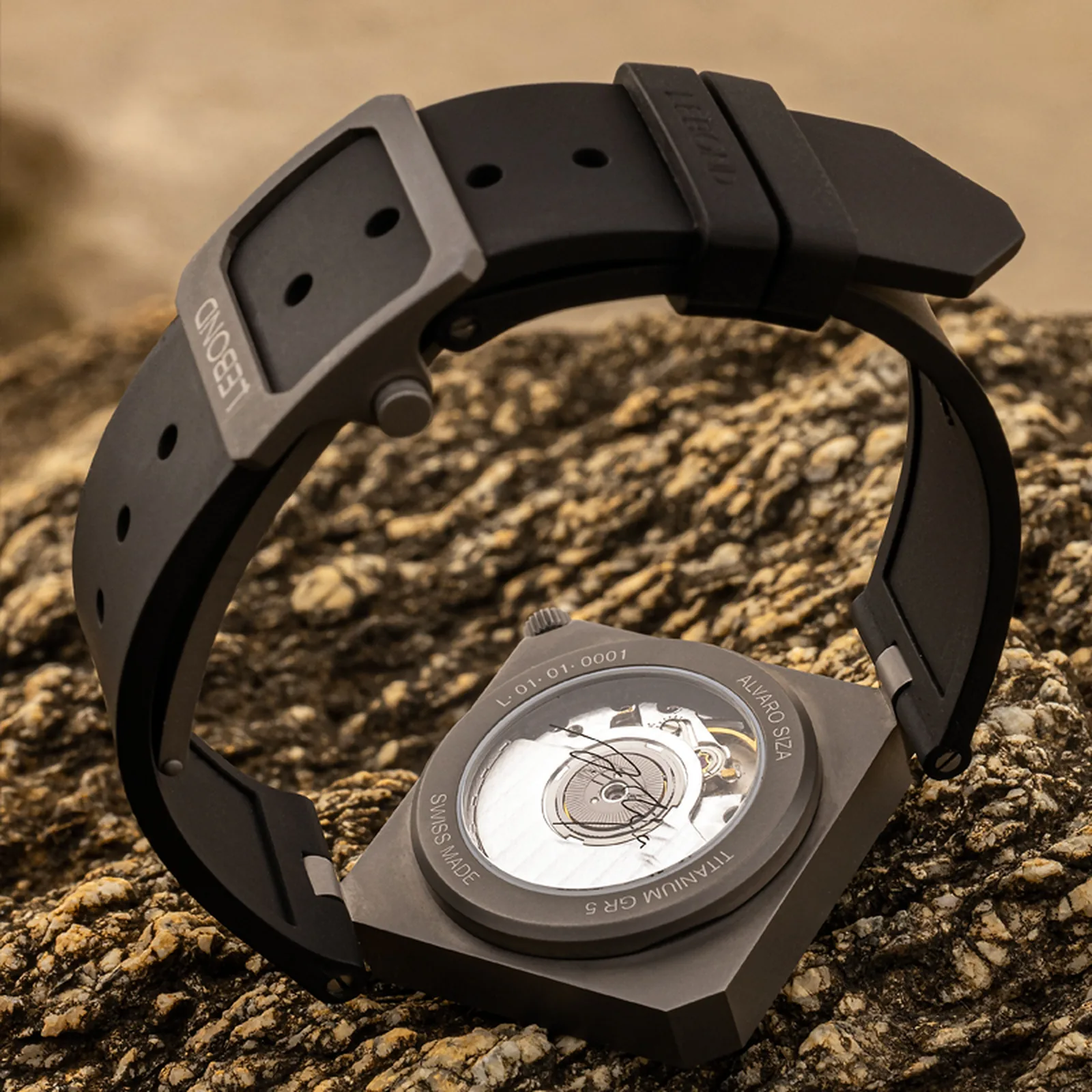
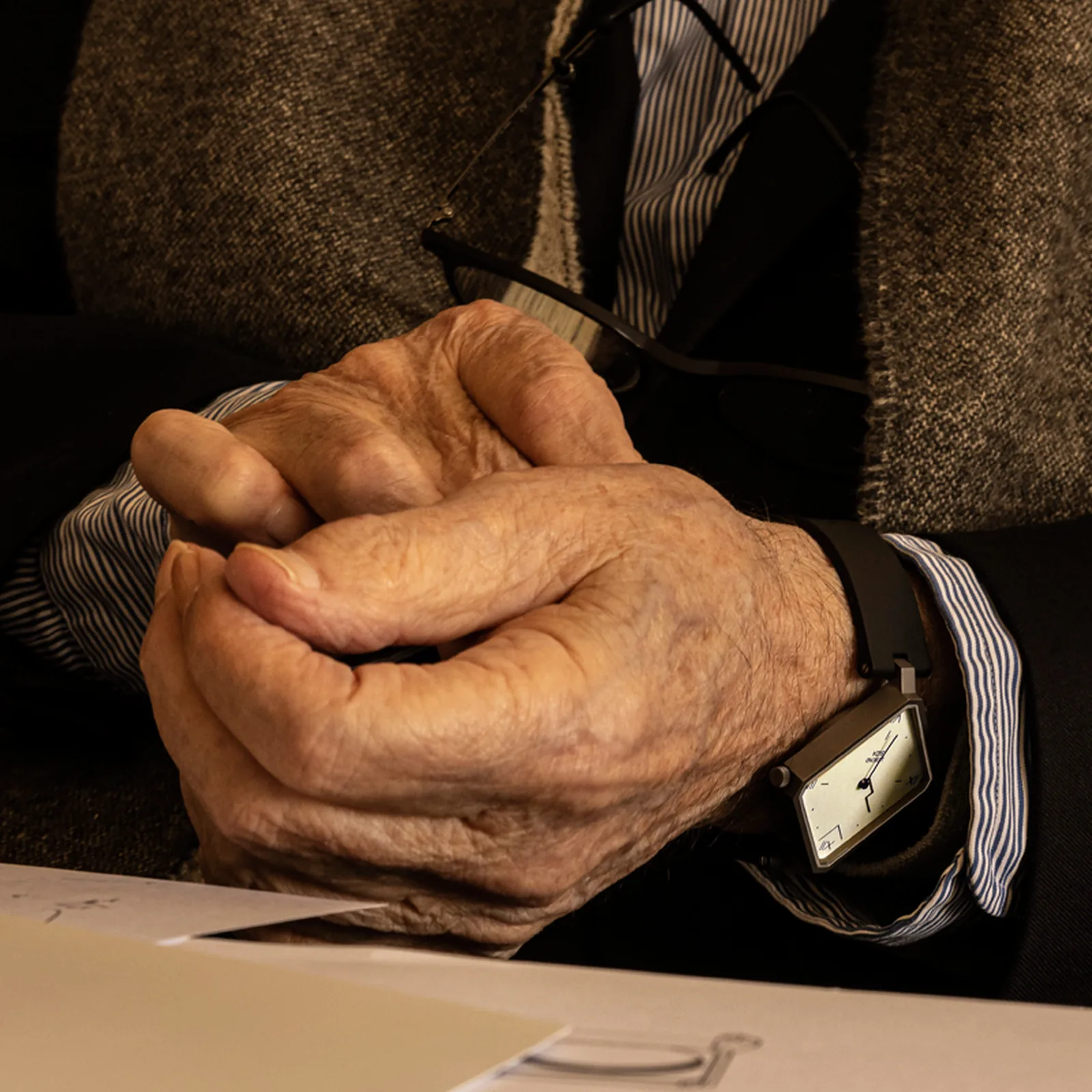
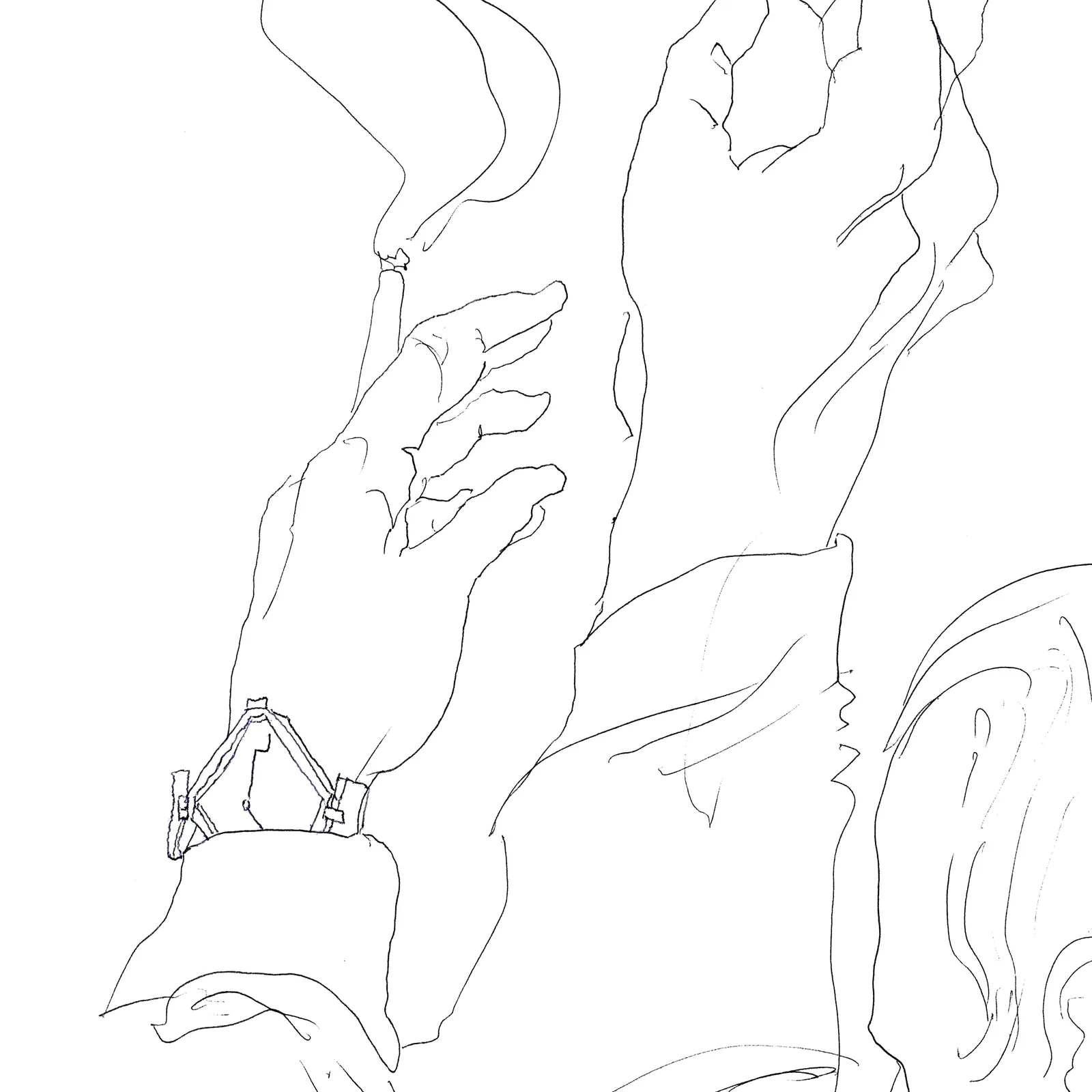
Lebond builds watches as design objects by starting where a building starts: with an architect. Designed with Álvaro Siza and Eduardo Souto de Moura, the watches treat the dial as a small work of architecture in titanium, resolved for clarity and honest about its material. The Lebond Siza is the clearest example, a watch as satisfying to set down and study as to wear. To see the idea across the range, explore the full collection of Lebond watches and meet the architects behind them.
A watch becomes a design object when every element is resolved by design rather than habit: legibility first, honest materials, considered proportion and no unnecessary decoration. It holds the eye even when it is not being used to tell the time.
Yes. Design collections such as the Museum of Modern Art in New York hold watches and clocks selected for the clarity of their form, particularly Bauhaus-influenced designs that reduced timekeeping to pure legibility.
Not strictly, but most are. Minimalism follows naturally from putting function and clarity first, since every element must justify itself. The result usually looks spare because nothing unnecessary survives.
Lebond watches are designed with architects, so the dial is treated like a small work of architecture: reduced to essentials, honest about its titanium, and composed by proportion rather than ornament. The Lebond Siza is a clear example.