

COMPLIMENTARY WORLDWIDE SHIPPING
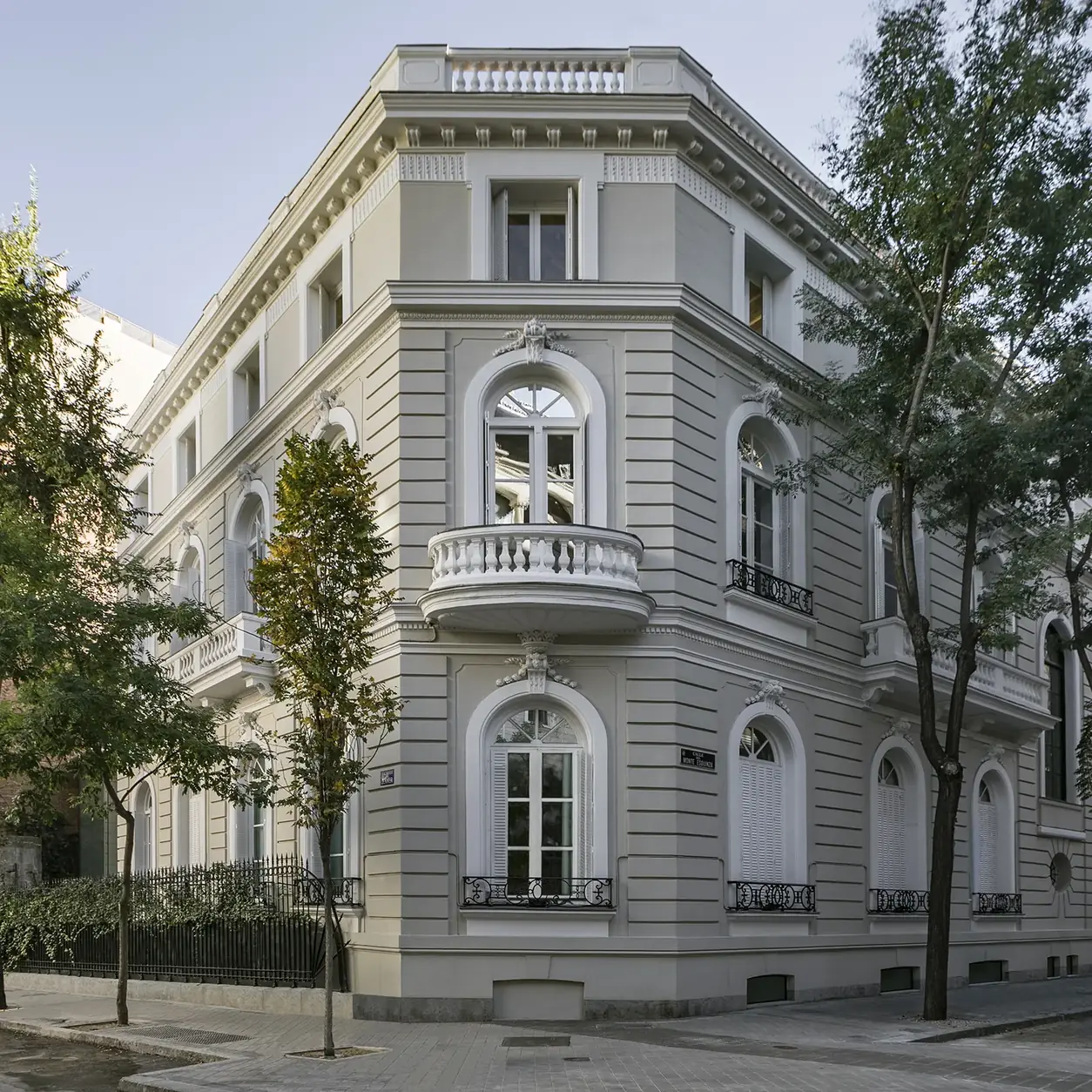
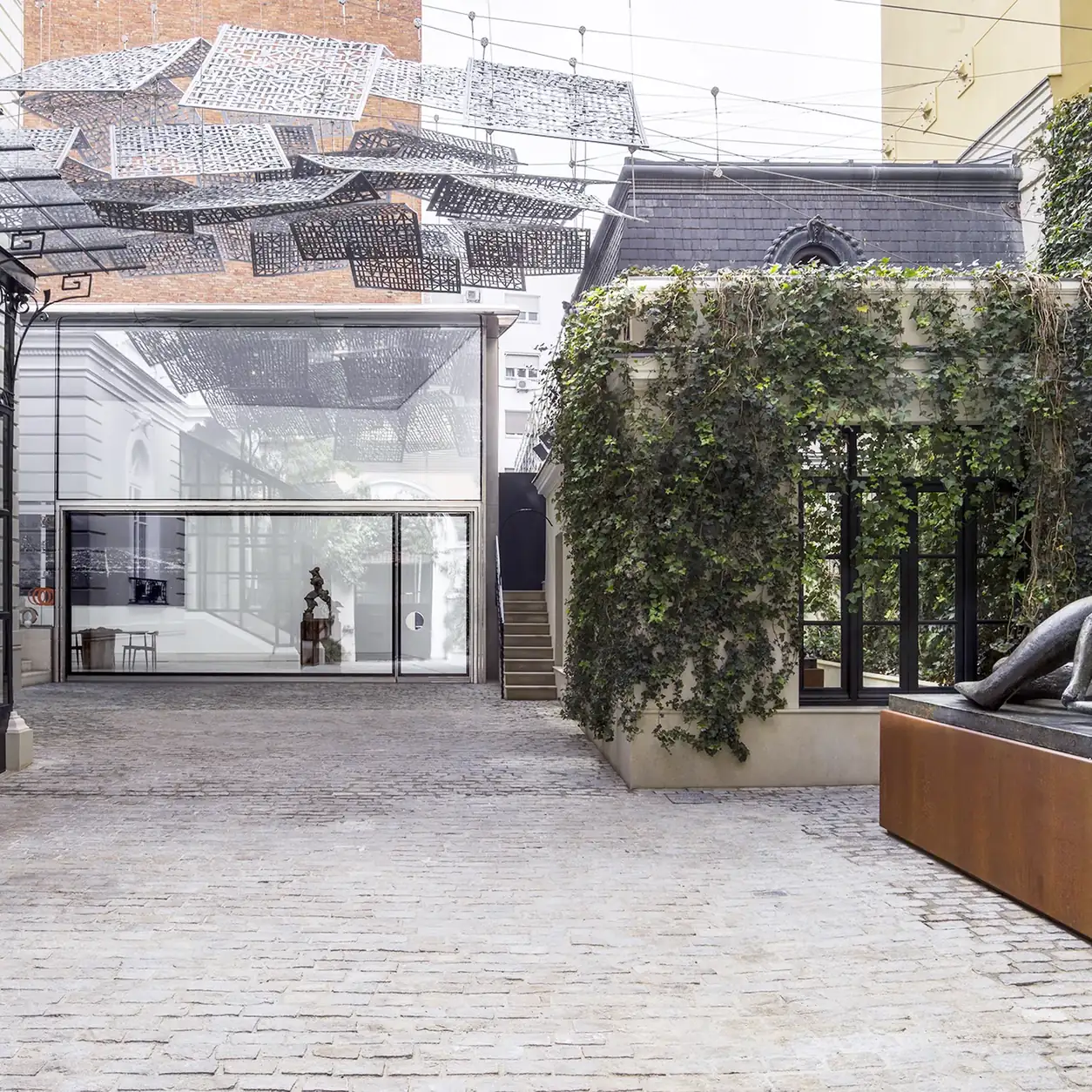
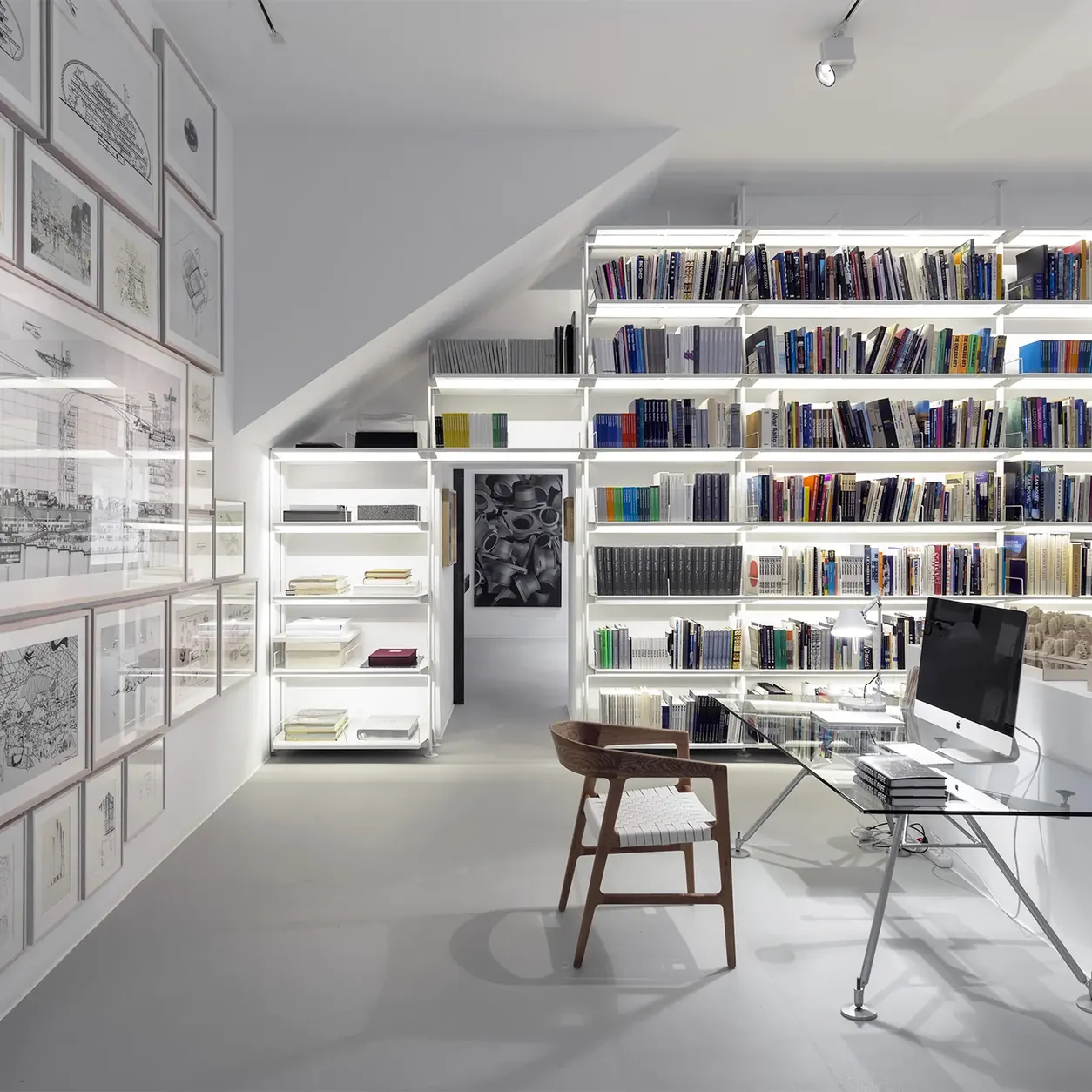
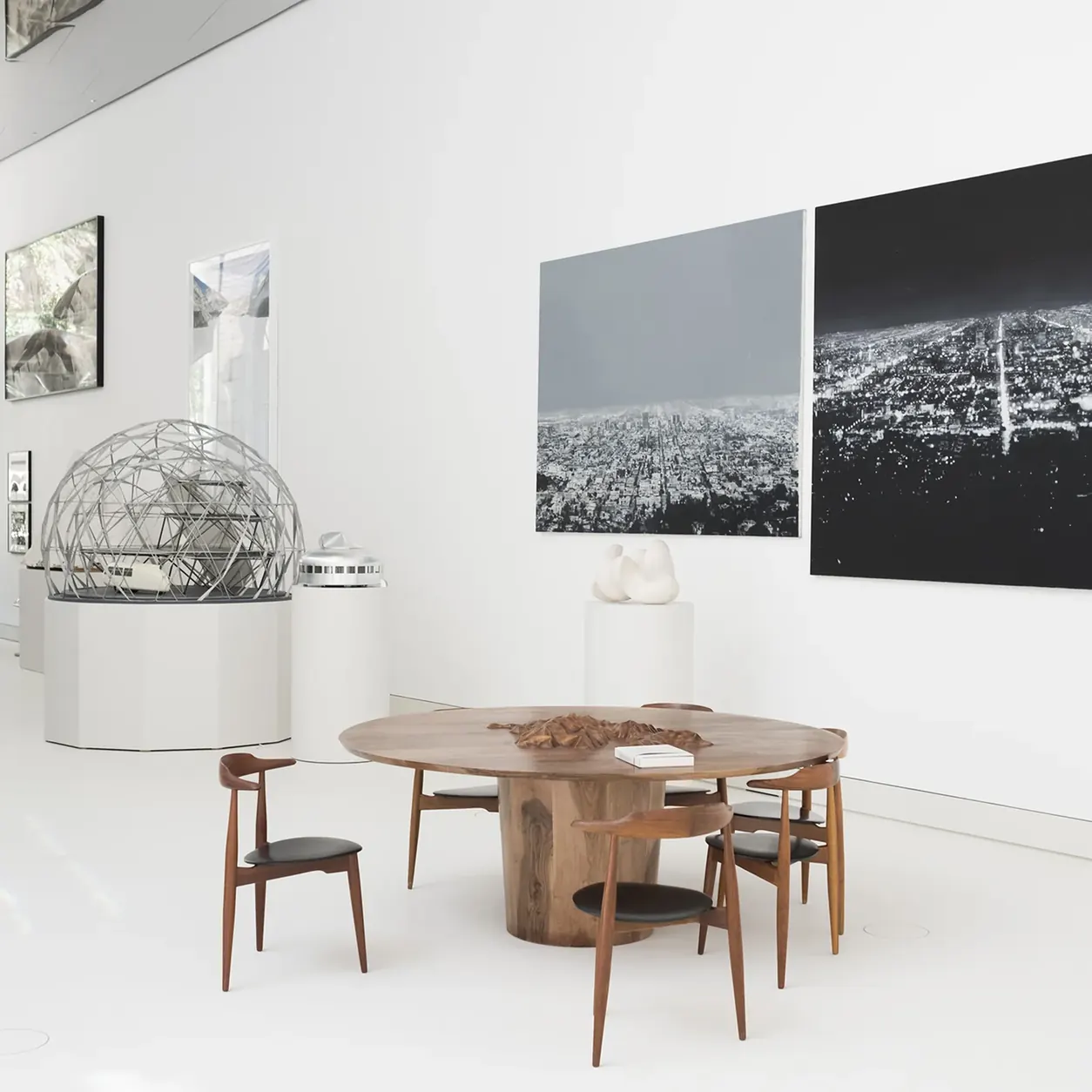
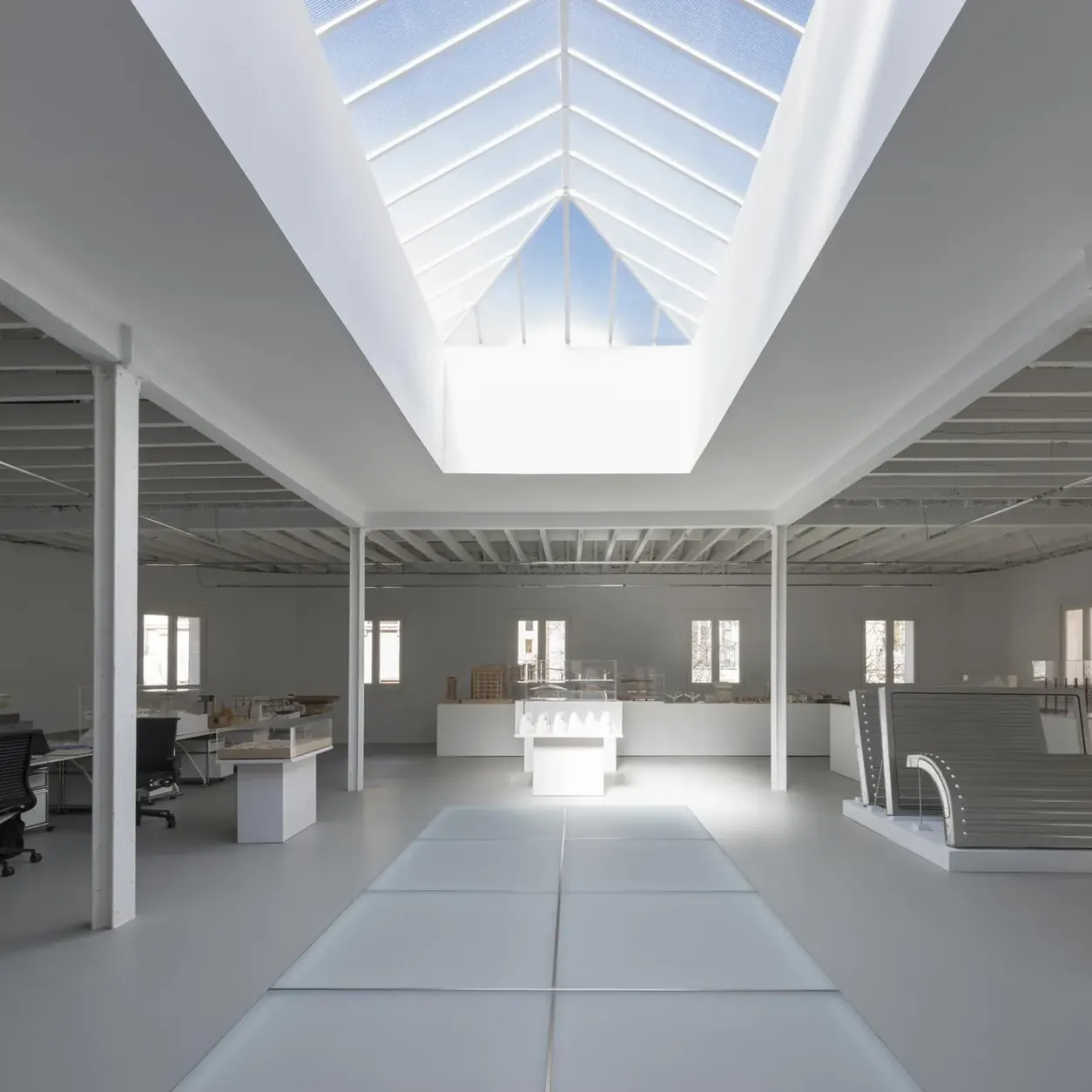
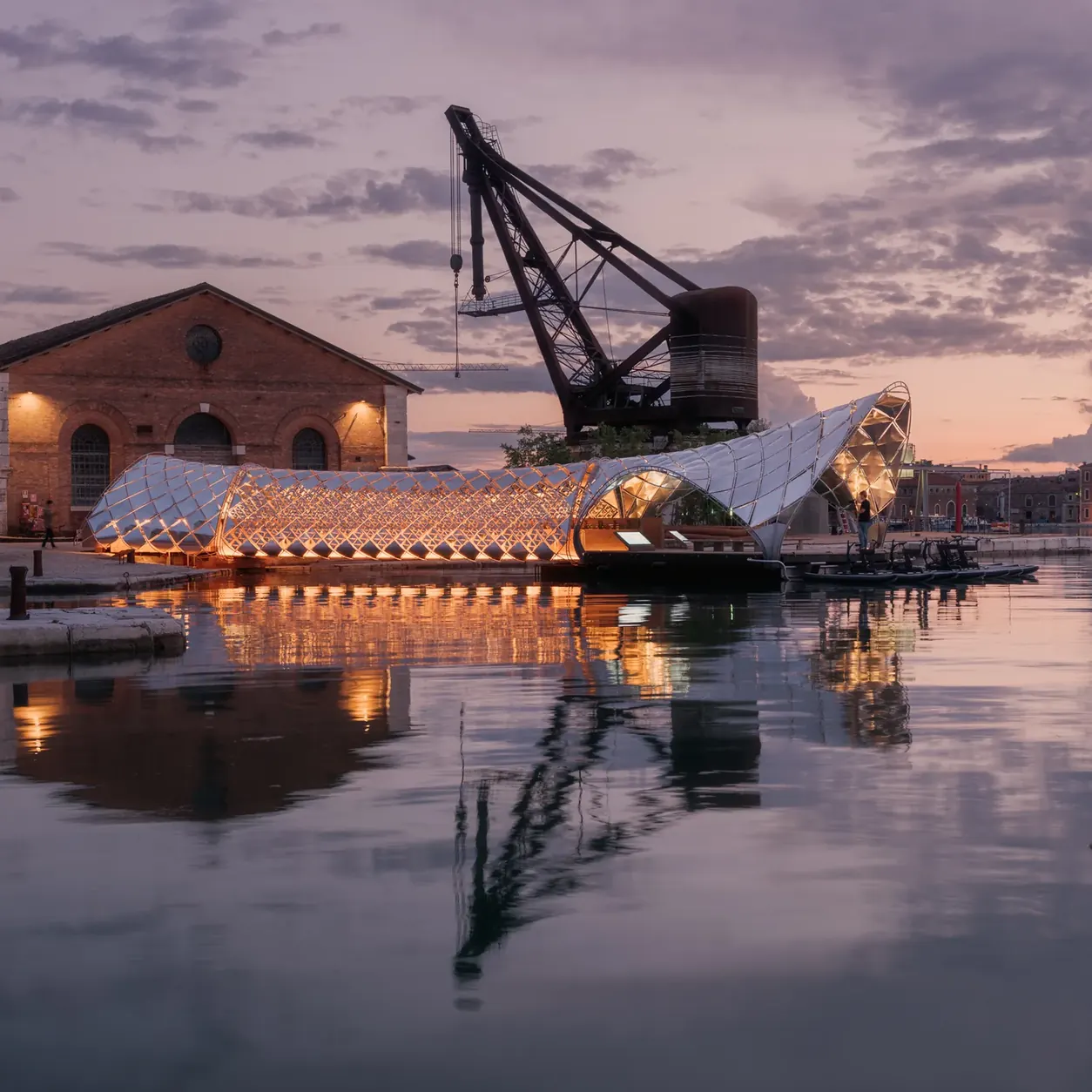

Photography courtesy of the Norman Foster Foundation (Ballester, Luis Asín, Guillermo Rodríguez).
A Norman Foster biography reads like a history of modern architecture in miniature: a working-class boy from Manchester who became the 1999 Pritzker laureate, founded one of the world’s most influential practices and, through the Norman Foster Foundation, turned his attention to the cities of the future. Few architects have thought so consistently about how things work, at every scale, from an airport to a watch.
Norman Foster is a British architect and urbanist, born in 1935 near Manchester, and the founder and executive chairman of Foster + Partners. He has received the Pritzker Prize, the Gold Medals of the Royal Institute of British Architects and the American Institute of Architects, and Japan’s Praemium Imperiale. In 1999 he was appointed a life peer by Queen Elizabeth II, taking the title Lord Foster of Thames Bank. Today he is also President of the Norman Foster Foundation and its Institute for Sustainable Cities.
Foster grew up in a modest household in Reddish, near Stockport, and left school at sixteen to work as a clerk in Manchester’s town hall. Two passions shaped those years: drawing, and an enduring fascination with aircraft, engines and the way machines are put together. After national service in the Royal Air Force, he joined an architect’s office and studied architecture at the University of Manchester, paying his way with part-time jobs.
A scholarship took him to Yale in 1961, where he completed a master’s degree and met Richard Rogers. The American experience, its scale, its optimism and its faith in technology, would mark everything that followed.
Foster’s practice began as a partnership. In 1963 he founded Team 4 in London with Richard Rogers, Su Brumwell and Wendy Cheesman, and in 1967 he and Wendy, by then his wife, established Foster Associates. The office quickly became known for an architecture of lightness and precision, drawn from industry rather than tradition:
From the 1990s the practice, renamed Foster + Partners in 1999, worked at the scale of nations: the new glass dome of the Reichstag in Berlin, the Great Court of the British Museum, the remodelling of Trafalgar Square, the airports of Hong Kong and Beijing, and towers in New York for Hearst and JPMorgan Chase.
Foster’s architecture is defined by the conviction that structure, environment and beauty are one problem, not three. His buildings expose how they work: the hung floors of Hong Kong, the spiralling ramps inside the Reichstag dome, the diagrid of 30 St Mary Axe in London. Daylight, natural ventilation and energy were part of his thinking long before sustainability became a professional obligation.
“As an architect you design for the present, with an awareness of the past, for a future which is essentially unknown.” Norman Foster
That curiosity has always crossed disciplines. Foster is a pilot, a cyclist and a long-distance skier, and he has designed furniture, door handles, yachts and vehicles with the same rigour he gives to a building. It is the attitude of an engineer as much as an artist, and it explains why he sits so naturally among the architects who design for Lebond.
The Norman Foster Foundation promotes interdisciplinary thinking and research to help new generations anticipate the future. Founded in London in 1999 and established in Madrid in 2017, it brings together architecture, design, engineering, technology, the arts and the sciences to address the challenges facing cities and society.
Its starting point is a simple belief: that many of today’s most complex problems cannot be solved through a single discipline. The Foundation therefore acts as a platform for exchange, bringing together designers, engineers, researchers, policymakers, scientists, artists and industry experts to turn knowledge into ideas, and ideas into action. Its activity unfolds along three main lines:
The Design & Innovation Unit is where Foster’s biography meets Lebond. Working with the unit, Lebond developed the Lebond Norman Foster, the architect’s first watch, available in a Natural Titanium Edition and a Black Edition: a Swiss automatic in grade 5 titanium with a strap that grows out of the case, a 12-hour bezel for the traveller and a perforated rotor that makes the mechanism visible. It was developed as the Foundation develops everything, through sketches, prototypes and refinement, and it carries the idea that has run through Foster’s life since Manchester: that engineering, honestly expressed, can also be beautiful.
It joins a collection of architect-designed watches created with Álvaro Siza and Eduardo Souto de Moura, bringing a third Pritzker laureate to the wrist.
Both editions are available on the Lebond website: the Lebond Norman Foster Natural Titanium Edition and the Lebond Norman Foster Black Edition.
Norman Foster was born on 1 June 1935 in Reddish, near Stockport, in the Manchester area of England. He studied architecture at the University of Manchester and later at Yale.
Foster received the Pritzker Prize, architecture’s highest honour, in 1999, the same year he was appointed a life peer as Lord Foster of Thames Bank.
The Norman Foster Foundation is an organisation that promotes interdisciplinary thinking and research to help new generations anticipate the future. Founded in London in 1999 and established in Madrid in 2017, it includes the Institute for Sustainable Cities and a Design & Innovation Unit.
His best-known works include the HSBC Main Building in Hong Kong, the Reichstag dome in Berlin, 30 St Mary Axe in London, the Great Court of the British Museum, the Millau Viaduct in France and the airports of Hong Kong and Beijing.
Yes. The Lebond Norman Foster, developed with the Norman Foster Foundation’s Design & Innovation Unit, is his first watch: a Swiss automatic in grade 5 titanium with an integrated strap and a second time zone bezel.